Y2K Streetwear Shopping Guide 2026
Every season brings a new wave of Y2K product drops, and it’s easy to buy on impulse without a real plan. A little structure to your shopping saves money and, more importantly, saves closet space for pieces you’ll actually wear.
Here’s a practical way to approach shopping for this aesthetic in 2026, without ending up with a pile of one-time-wear items.
Shop Basics Before Trends
Before chasing whatever’s trending on your feed this week, make sure your foundational pieces are solid. Trend pieces come and go fast; basics carry you through every version of the aesthetic that comes after.
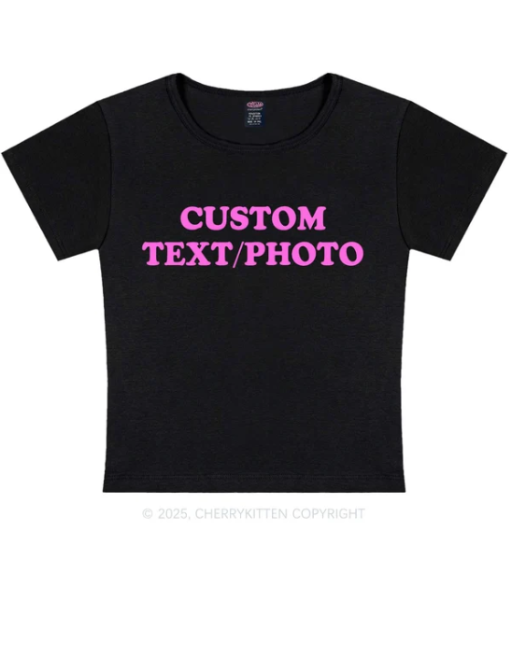
On any shopping list, baby tees should be near the top, honestly before almost anything flashier. They’re the piece that makes trend pieces work, so having a solid rotation means every future purchase gets more mileage out of what you already own.
Buy Bottoms That Match Your Actual Life
Resist buying bottoms purely because they photograph well. If you’re commuting, sitting at a desk, or generally moving around a lot during the day, comfort has to factor into the purchase, not just how it looks in a mirror selfie.
Mid-rise styles tend to age better in your wardrobe than ultra-low-rise pieces, which look striking but get worn less often once the initial excitement fades.
Invest in a Standout Layering Piece
Once basics are covered, this is where it’s worth spending a bit more. A well-made layering piece gets worn constantly, since it transforms simple outfits into something that reads as fully styled.
A y2k jersey is a smart investment here. It works across seasons, pairs with nearly everything else in the aesthetic, and photographs well without needing anything else to complete the look. Cost-per-wear on a good one is genuinely low over time.
Seasonal Shopping Adjustments
Shop lighter fabrics and shorter hemlines in spring and summer, heavier layering pieces and denim in fall and winter. It sounds obvious, but a lot of people buy the exact same pieces year-round and end up with an unbalanced closet for half the year.
Plan major purchases around season changes rather than random sale events. You’ll actually use what you buy instead of it sitting unworn until the “right” weather rolls around.
Red Flags to Watch For When Shopping
Watch for extremely thin fabric on fitted pieces — it won’t hold shape after a few washes. Check reviews or sizing charts carefully, since a lot of Y2K-style pieces run smaller than standard sizing due to the fitted cuts.
Skip anything with a print or graphic so specific it only works with one outfit. Versatility should factor into every purchase, even the fun, flashy ones.
Comparing In-Store and Online Shopping
Online shopping offers a bigger selection and often better prices, but sizing inconsistencies are a real problem in this category, since fitted pieces especially can run differently across brands. Read sizing charts carefully and check return policies before ordering multiples to compare.
In-store shopping solves the fit problem but limits selection, particularly for niche or newer brands that haven’t scaled into physical retail yet. A mixed approach — trying key pieces in person, then buying comfortable-fitting brands online going forward — tends to work best for most people.
Reading Reviews the Right Way
Star ratings alone don’t tell you much. Read a handful of actual written reviews, particularly ones that mention body type or sizing specifics similar to your own, since fit complaints from someone with a very different build won’t necessarily apply to you.
Pay special attention to reviews mentioning fabric quality after multiple washes. A piece that looks great in photos but pills or loses shape after three washes isn’t a good long-term addition to your wardrobe, no matter how good the initial impression was.
Planning Your Next Few Purchases
Rather than shopping reactively every time something catches your eye, keep a running list of what you actually need next based on gaps in your current rotation. This keeps spending intentional and prevents impulse buys that end up duplicating something you already own.
Revisit the list monthly and prioritize based on what you’re actually wearing most, adjusting as your taste and needs shift throughout the year.