Why You Should Upgrade Office Heating Systems This Winter
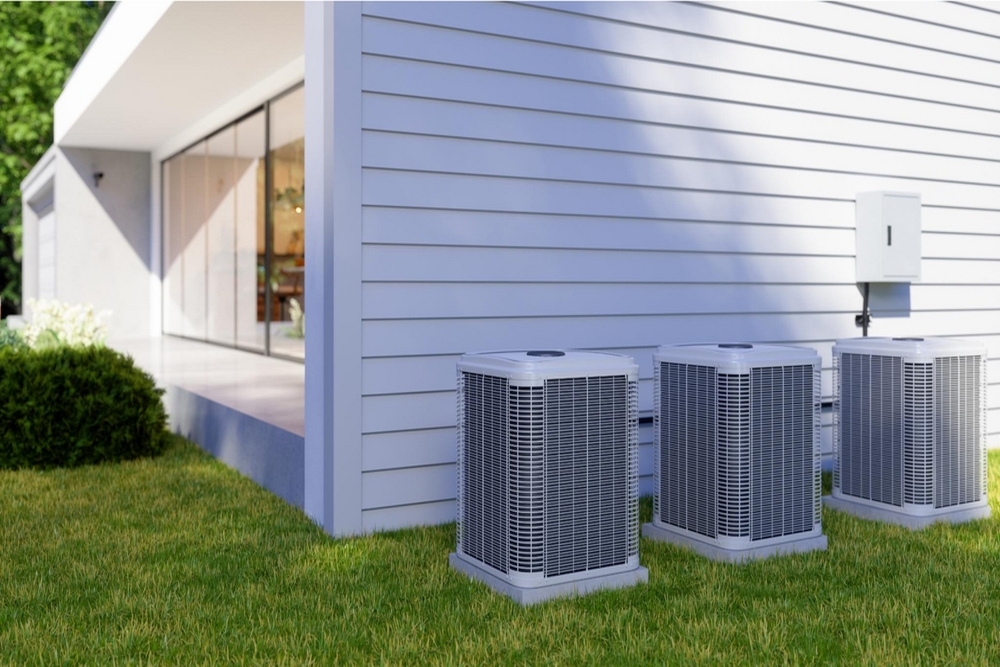
When temperatures drop, workplaces often notice small issues become daily frustrations. Staff start wearing extra layers at their desks, meetings shift to warmer corners, and energy bills silently climb as you try to keep everyone comfortable. You might plan to get through another winter with the same setup, yet outdated equipment usually works harder than it should and still fails to deliver even heat. A planned upgrade turns heating from a reactive expense into a controlled investment because you replace uncertainty with consistent performance. Instead of waiting for breakdowns, you make changes now while lead times remain manageable and installers have better availability.
Significant Cost Savings Over Time
You cut ongoing costs when you replace ageing boilers and controls with modern alternatives that burn less fuel and waste less heat. Many offices still run systems from the early 2000s, and those models can run at seasonal efficiencies of 60–70%. A business with a medium-sized open-plan floor might spend hundreds of pounds more each quarter without realising it. Smart programmers and weather-compensating controls adjust flow temperature automatically, so you avoid overheating rooms that sit empty in the afternoon. If you want to understand your potential savings, review last winter’s consumption and compare it with the estimated usage from a new condensing system. Over five to ten years, the reduction in gas or electricity often outweighs the upfront cost of installation.
Improved Energy Efficiency & Carbon Reduction
Upgrading helps you meet current expectations around sustainability without disrupting daily operations. Modern heat pumps and high-efficiency boilers reach performance levels that older units simply cannot match, especially in buildings with good insulation. A small company in Manchester reduced emissions by switching to a hybrid setup that uses a heat pump during mild conditions and the boiler only when temperatures fall sharply. Because you rely on lower flow temperatures, you also avoid the stuffy hotspots that cause staff to open windows in mid-winter. This shift keeps heat inside the building and supports your environmental reporting, which matters more when clients ask about procurement standards.
Reduce Maintenance Hassles & Increase Reliability
You spend less time responding to breakdowns when you replace worn components before they fail. Older pumps and valves often seize after long periods of inactivity, especially when sludge builds up inside pipework and radiators struggle to warm evenly. A facilities manager who arranges a system flush and installs magnetic filters usually sees fewer call-outs, because debris no longer circulates through sensitive parts. If your office experiences cold patches or noisy pipework, book a survey to identify underlying issues rather than bleeding radiators every week. Planned upgrades also allow you to schedule work outside business hours, which prevents disruption during peak periods.
Potential Grants, Incentives & Tax Benefits
You may access financial support when you choose low-carbon heating, particularly if you operate in the public or not-for-profit sector. Schemes such as the Boiler Upgrade Scheme and regional business grants can reduce installation costs for heat pumps or renewable-powered systems. A small office in Leeds covered part of its upgrade by applying early and providing basic energy data, including annual usage and floor area. Keep receipts and technical documentation, as some tax relief schemes require evidence of compliant equipment. Speak to your accountant or energy consultant to confirm eligibility before you commit, since deadlines and criteria change throughout the year.