Chief Phillip Scott Explains How Certain First Responder Skills Help People Navigate Everyday Emergencies
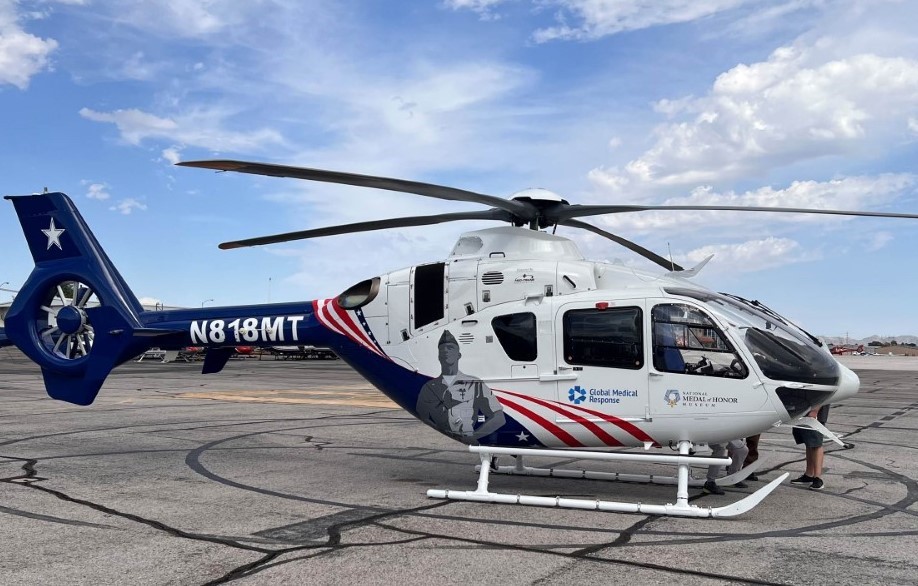
When you think of a medical first responder, such as a Paramedic or Emergency Medical Technician (EMT), it often involves flashing lights, speeding ambulances, and high-stakes situations. That said, the core toolkit of any first responder (also including Fire Fighters and Police Officers) isn’t just for major disasters. According to Chief Phillip Scott, a veteran in emergency services, certain strategies used on the front lines can completely change how ordinary people handle sudden crises at home or work. Though it is necessary to receive proper training and become licensed to serve as a first responder, it is possible to at least adopt the mindset of one. Learning how these professionals think and act, especially in stressful circumstances, can become a stabilizing force when life takes an unexpected turn.
The Benefit of Aware Breathing
The first physiological response in an emergency is often a spike in adrenaline. When this occurs, the following are observed:
- racing heart
- shortness of breath
- narrowing of vision
- potential arrival of panic
The training of a first responder allows for the mitigation of these physiological symptoms. One such skill is deliberate breathing techniques.
When aware of the breath and maintaining its rhythm, an experience of calm is achieved, which allows for the rational mind to remain clear and to act accordingly. In an everyday emergency, like a child choking or a coworker collapsing, continuing to inhale and exhale deeply is the difference between freezing up and taking decisive action.
Assess the Scene Before Reacting
It is a natural human instinct to run straight toward a problem to assist. However, first responders are taught a strict protocol: check the scene for safety first. If you rush into a dangerous situation and become injured, you just created a second emergency and doubled the burden on arriving help.
In daily life, this means surveying the scene before being of service. If someone trips and falls in a busy parking lot, look for moving cars before you run into the area. If there is a spill at home, ensure there are no exposed wires nearby. Scanning your environment in advance keeps you safe so you can actually be useful to the person in crisis.
The Art of Triage
In large-scale incidents, professionally trained medical workers and first responders use triage to sort patients based upon the urgency and immediacy of care. This concept can be applied to manage the chaos of an everyday accident. When a situation arises, it is necessary to prioritize tasks based on what is truly critical versus what can wait.
Imagine a minor car fender-bender on a rainy afternoon. The emotional shock might cause you to argue with the other driver. It could also compel you to immediately check your car bumper for scratches, even if the road is very busy.
A first responder mindset flips that script. Here’s how to respond:
- Assess yourself for injuries
- If possible, move the vehicles to a safe space away from traffic and activate hazard lights
- Exchange salient information with the other driver in a safe location
- Speak to other parties (witnesses, police, fire/medical personnel if or when they arrive)
Breaking down a stressful event into a clear sequence prevents becoming overwhelmed by the surrounding noise.
Clear Communication Under Pressure
During a crisis, communication often breaks down because the ensuing chaos causes everyone to talk at once, speak in vague terms, or not listen to instructions. First responders employ and rely on direct, assertive language and action. If you find yourself first on site of an emergency and the most qualified person present – with proper certification in first aid and CPR (cardiopulmonary resuscitation) from an accredited agency – after ascertaining the scene is safe, do not merely yell at random for someone to call for help.
It is more efficient to locate a specific person, look them in the eye, and say, “Call 911 immediately.” Doing this removes any confusion and prevents the bystander effect. The latter happens when everyone assumes someone else is taking care of it. If first on scene with apparent life threats visible and not properly trained or qualified to administer first aid and/or CPR, then take it upon yourself to immediately call 911. Phillip Scott emphasizes that clear directives reduce panic and get resources moving much faster.
Embracing Flexibility and Adaptability
No emergency proceeds exactly according to plan. There are instances when:
- weather changes
- bystanders interfere
- equipment malfunctions
First responders are often successful because they are well-trained, prepared for and anticipate potential problems, and are ready to adapt on the fly.
When you face an everyday crisis, flexibility is essential. That means persevering, even if the situation appears to be falling apart. For example, if the main road is blocked while you are trying to get someone to the urgent care clinic, you find a new route.
You quickly pivot to an alternate option without losing your cool. Accepting reality as it happens allows you to find practical solutions instead of wasting time being inflexible and attached to a particular agenda.
The Value of Post-Incident Reflection
Once the danger passes and the dust settles, the job is still not complete. Medical first responders routinely participate in debriefings to evaluate what flowed well and discuss what could be improved.
Bringing this practice into your personal life is incredibly valuable. After surviving a stressful household event or a workplace scare, take a moment to decompress and speak about the experience with the people involved.
Discussing the event helps to discharge and relieve the emotional stress rather than burying it. It also ensures that if a similar situation happens again, you, your family, or coworkers will be even better prepared to handle it smoothly.
Final Word
Developing a first responder mindset assists in mitigating and managing crises. Chief Phillip Scott often reminds people that the greatest tool in any emergency is a calm, focused mind. Practicing being aware of your breath, checking your surroundings, prioritizing your actions, and speaking clearly allows you to handle almost any unexpected curveball life throws your way. In so doing, you bring clarity and calm to transform chaos.