How to Troubleshoot and Fix Common Ice Maker Issues
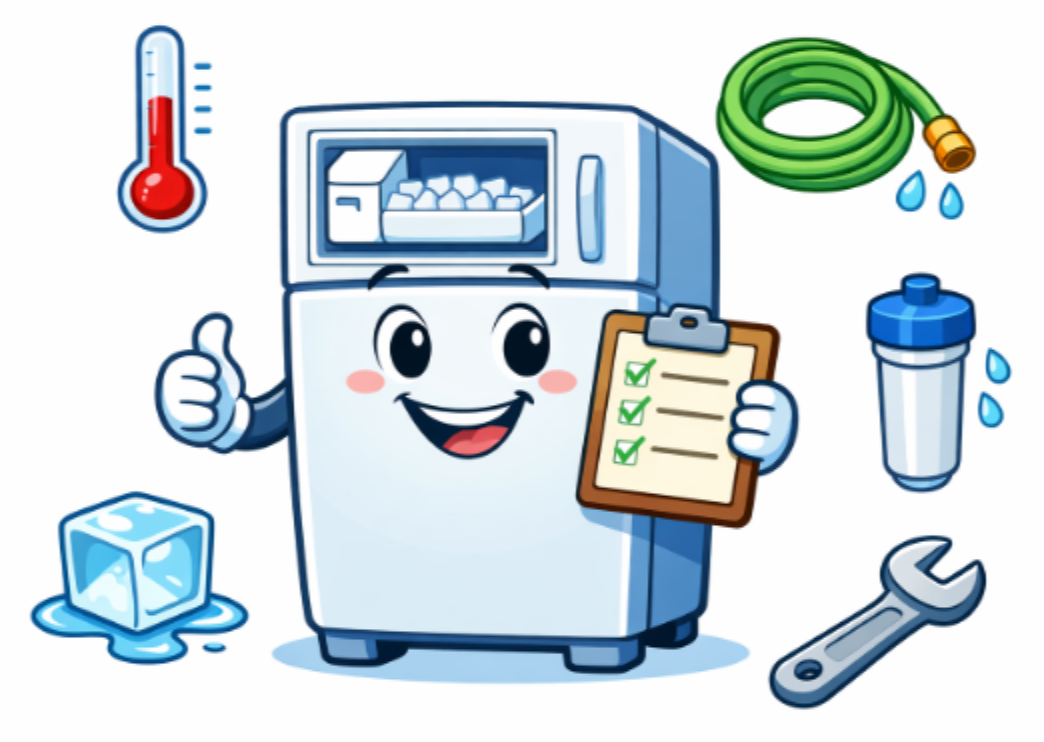
Key Takeaways:
- Ensure the ice maker is powered on and the shutoff arm is in the correct position.
- Verify that the freezer temperature is set between 0°F and 5°F for optimal ice production.
- Inspect the water supply line for kinks or blockages that may impede water flow.
- Regularly replace the water filter to maintain proper water pressure and quality.
- Check for frozen fill tubes and thaw them if necessary to restore water flow.
Ice makers are handy appliances that help keep beverages cool and parties running smoothly. When your ice maker suddenly stops working, everyday conveniences can quickly turn into small frustrations. Most issues, however, can be addressed with a little know-how and the right steps. For those with specific refrigerator brands, parts and guidance tailored to your needs can be found at Samsung ice maker parts. Whether you’re dealing with slow ice production or no ice at all, understanding the typical causes is an important first step.
Resolving issues with your ice maker often doesn’t require professional help. Several common problems can be fixed by homeowners using straightforward solutions. Taking a proactive approach to troubleshooting may save you time and money in the long run. With a few careful checks, your ice maker could be running efficiently again, restoring convenience to your daily routine.
Before starting any troubleshooting, it’s beneficial to familiarize yourself with your refrigerator’s specific model and its components. The owner’s manual is a helpful resource for details about controls, recommended temperatures, and unique features. Sometimes, reviewing the manufacturer’s tips or online troubleshooting guides reveals quick answers to common concerns.
Regular maintenance and prompt attention to new issues not only help your ice maker function properly, but they also extend its lifespan. Good maintenance routines prevent small problems from escalating into major repairs, ensuring you always have ice on hand when you need it.
1. Ensure the Ice Maker Is Turned On
It may seem obvious, but one of the most overlooked issues is whether the ice maker is actually on. Many models are equipped with a control arm or switch that controls the production cycle. When the control arm is lifted, it signals the appliance to halt ice production. By simply lowering the arm or toggling the switch, you may restore functionality within minutes. Checking this setting should be the first troubleshooting step before exploring more complicated causes.
2. Verify Freezer Temperature Settings
Freezer temperature is a primary factor in ice maker performance. The sweet spot for ice production is typically between 0°F and 5°F. If the temperature is set too high, the ice maker might struggle to produce ice or may stop altogether. Use an appliance thermometer to monitor and adjust the temperature as needed. Temperature fluctuations can also lead to inconsistent ice quality, so regular checks are helpful. Additional information about safe freezer storage is available at the U.S. Food and Drug Administration’s Food Safety site.
3. Inspect the Water Supply Line
The water supply line is crucial for consistent ice production. Over time, it can develop kinks or become blocked by mineral buildup. Regularly pulling your refrigerator away from the wall and visually inspecting the water line helps prevent this issue. Make sure that the valve connected to the household water supply is opened fully. Removing any visible kinks, replacing brittle hoses, and clearing sediment from the valve can quickly resolve supply concerns.
4. Replace the Water Filter
Many refrigerators come equipped with water filters to ensure clean, high-quality ice. These filters can become clogged after months of use, reducing both pressure and ice cube size. Most manufacturers recommend replacing the water filter every six months. Signs of a clogged filter include slow ice production, hollow cubes, or foul-tasting ice. Keeping the filter fresh ensures a steady flow and maintains the taste of your ice. Detailed instructions for specific models can often be found through official manufacturer websites or dedicated appliance repair resources.
5. Check for Frozen Fill Tubes
Another common culprit for ice maker malfunction is a frozen fill tube. This tube delivers water directly to the ice mold. When ice forms inside it, water can’t flow properly, and ice production stops. To thaw a frozen fill tube, unplug the appliance for safety and use a hair dryer set to low to gently warm the tube until any trapped ice melts. Avoid using sharp objects that could damage delicate components. Preventative steps, such as keeping the freezer temperature within the recommended range, can help avoid future freeze-ups.
6. Examine the Water Inlet Valve
The water inlet valve is an electrically operated device that opens to supply water when needed. Over time, the valve can become clogged with debris or begin to fail, resulting in inadequate water flow. Inspect the valve for damage or mineral deposits. If cleaning doesn’t restore normal operation, it may be time to replace the valve.
7. Reset the Ice Maker
Sometimes, a simple reset is all that’s needed to return your ice maker to normal operation. Most units can be reset by turning off the appliance or ice maker itself, unplugging the refrigerator for a few minutes, then restoring power and switching the device back on. The procedure can vary, so consult your model’s owner’s manual for step-by-step instructions tailored to your unit. This method can resolve glitches or errors that stall the ice maker unexpectedly.
8. When to Seek Professional Help
If you’ve run through the standard troubleshooting checks and the ice maker remains non-functional, it’s time to call a professional technician. Persistent problems could point to complex electrical issues or internal mechanical failures not easily fixed at home. Expert diagnosis and repair ensure the health of your appliance and prevent further damage that could become costly.
Conclusion
By systematically addressing each potential issue, you can often restore your ice maker’s performance without the cost of emergency repairs. Staying watchful and performing routine maintenance, like checking water lines and replacing filters, prevents minor issues from disrupting your kitchen routine. Keeping these tips in mind ensures your ice maker remains a reliable source of refreshment for years to come. When in doubt, don’t hesitate to reach out to a trusted appliance professional for assistance.