The Role of Insurance in Long-Term Home Security Planning
Key Takeaways
- Combining physical security enhancements with suitable insurance policies offers optimal protection for homeowners.
- Implementing advanced security systems can lead to reduced insurance premiums.
- Regularly updating insurance coverage ensures alignment with current property values and security features.
Ensuring your home’s safety and its future goes beyond just locks or traditional alarm systems. A well-rounded plan combines up-to-date security solutions with a reliable insurance company, creating a safety net that protects against unexpected events and secures your family’s peace of mind.
More than ever, homeowners are recognizing that being proactive is key to long-term property security. Insurance coverage cushions the financial blow when disasters or thefts occur, but its effectiveness increases when aligned with modern security enhancements. By partnering with a responsive insurer, homeowners position themselves to recover more quickly and minimize losses.
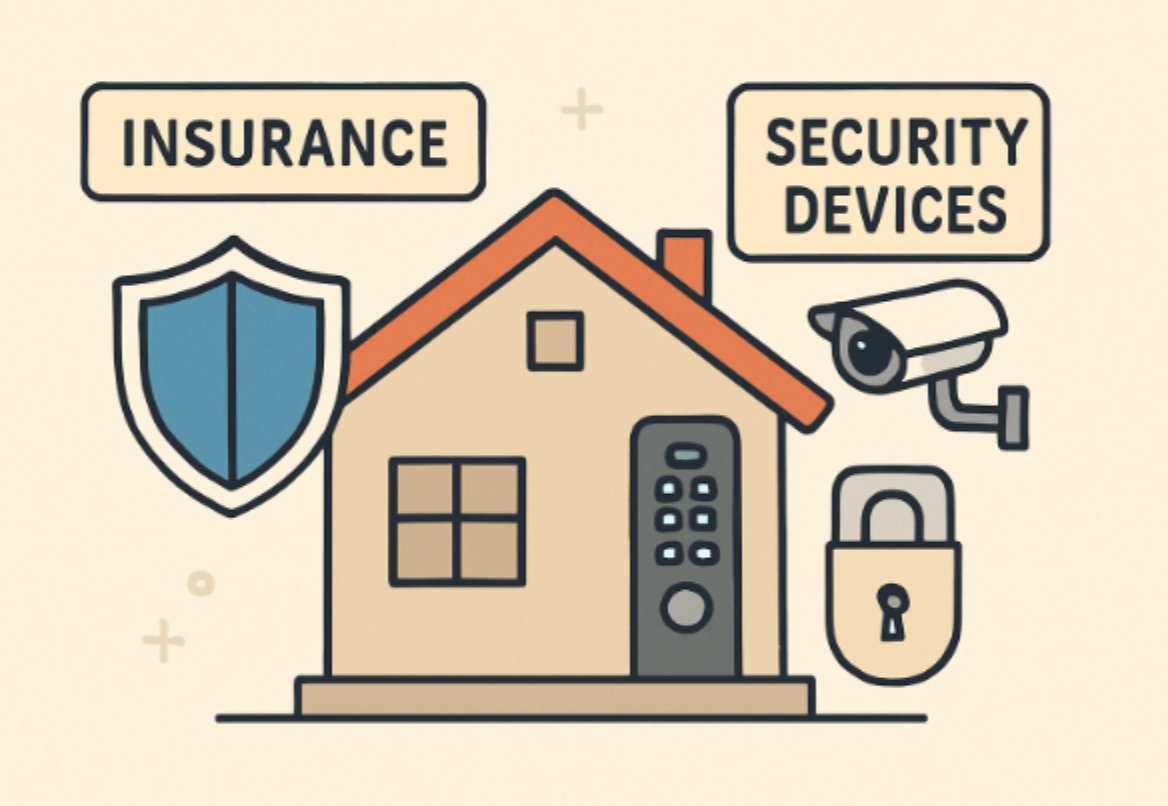
Physical protections like smart door locks, cameras, and reinforced windows are important, but they are at their most effective when complemented by tailored insurance policies. Home insurance can be adjusted over time as new risks and needs arise, ensuring that your unique situation is always properly covered. Through this proactive alignment, homeowners stand to benefit from a reduced risk profile and potential premium savings.
To make the most of these advantages, it’s crucial to view insurance and security not as separate, but as two halves of the same whole. This approach not only provides robust coverage for the present but also safeguards your investment in the long run, allowing you to focus on what matters most, your family’s security and comfort.
Modern solutions for home protection offer enhanced peace of mind by integrating insurance and security upgrades tailored to every homeowner’s needs.
Integrating Security Measures with Insurance
Physical security practices alone may deter some threats, but cannot guarantee complete protection from all possible incidents. Integrating your security measures with comprehensive insurance is the next level of risk management. Insurance fills the gaps that alarms and locks cannot cover, such as natural disasters, fire, vandalism, or large-scale damage. It serves as a vital financial buffer, helping homeowners recover both quickly and fully in the aftermath of a crisis, as noted in an analysis from The New York Times.
When security upgrades are documented and reported to your insurance company, they not only strengthen your claim foundation but can also lead to insurance discounts. Insurers factor in advanced security features when determining your policy premiums, making it doubly beneficial for conscientious homeowners.
Impact of Security Systems on Insurance Premiums
Modern technology has changed home security for insurance policyholders. Reliable alarm systems, surveillance, and 24/7 monitoring lower burglary and property damage risks. Insurers offer discounts for systems with rapid detection and alerts. Smart systems and professional monitoring often qualify for special discounts. Homes with water leak detectors or smart fire alarms report fewer losses, benefiting both homeowners and insurers. Providing installation proof and monitoring contracts to your insurer can secure these savings.
Addressing Climate-Related Risks
With the increased impact of climate change, it is more important than ever to consider weather-resistant enhancements when planning home security. Natural disasters can devastate homes, leading insurance markets to tighten in high-risk regions. Durable building materials, storm shutters, and elevated foundations reduce the risk of major damage and can lower premiums by lessening insurers’ exposure. Practical steps like these are widely recommended by risk management experts.
In addition, policyholders may find that insurers view properties with weather-resistant upgrades more favorably, making it easier to maintain coverage or avoid significant cost increases over time.
Regular Policy Reviews and Updates
Renovations, new security features, or increased property values all necessitate policy reviews. Unfortunately, many homeowners overlook the importance of updating their insurance details, which can lead to coverage gaps. For example, after a major remodel or the installation of high-value security devices, policy limits or deductibles may need to be amended to reflect new replacement costs or risk levels.
Regular consultations with your insurance agent, ideally at least annually, ensure that you remain covered against new threats and that your policy keeps pace with inflation and property appreciation.
Overcoming Barriers to Filing Claims
Many are hesitant to contact insurers over valid claims, fearing rate hikes or policy changes. However, delaying necessary repairs can compound financial loss and extend disruption. Homeowners should maintain thorough documentation of incidents, communicate issues promptly, and collaborate transparently with claims adjusters to achieve the most effective resolution. Understanding what triggers rate changes and clarifying policy terms are crucial steps toward avoiding misconceptions.
Education and preparedness significantly mitigate stress and loss during emergencies, helping you secure a satisfactory insurance outcome.
Leveraging Technology for Enhanced Security
Rapid technological advancements allow homeowners to create safer environments and demonstrate proactive risk reduction. Devices such as smart locks, AI-powered cameras, and remote environmental monitors provide real-time data, deterring intruders and protecting against incidents like leaks or fires. These devices also indicate a low risk profile, which can incentivize your insurer to lower your premiums. For insurers, technology-supported risk management represents a forward-thinking approach to policyholders dedicated to minimizing claims and losses.
The result is a home that is not only safer but also potentially less costly to insure in the long term.
Conclusion
Securing your home for the future calls for a strategic partnership between robust physical security and comprehensive insurance coverage. By regularly reviewing and updating your policy, investing in advanced security technologies, and staying informed about climate and market changes, you greatly enhance your ability to shield your property and finances from harm. Empower yourself with knowledge, reliable protection, and actionable planning to ensure your home remains a safe haven for the years ahead.