Why Preventive Maintenance Matters for Commercial Properties
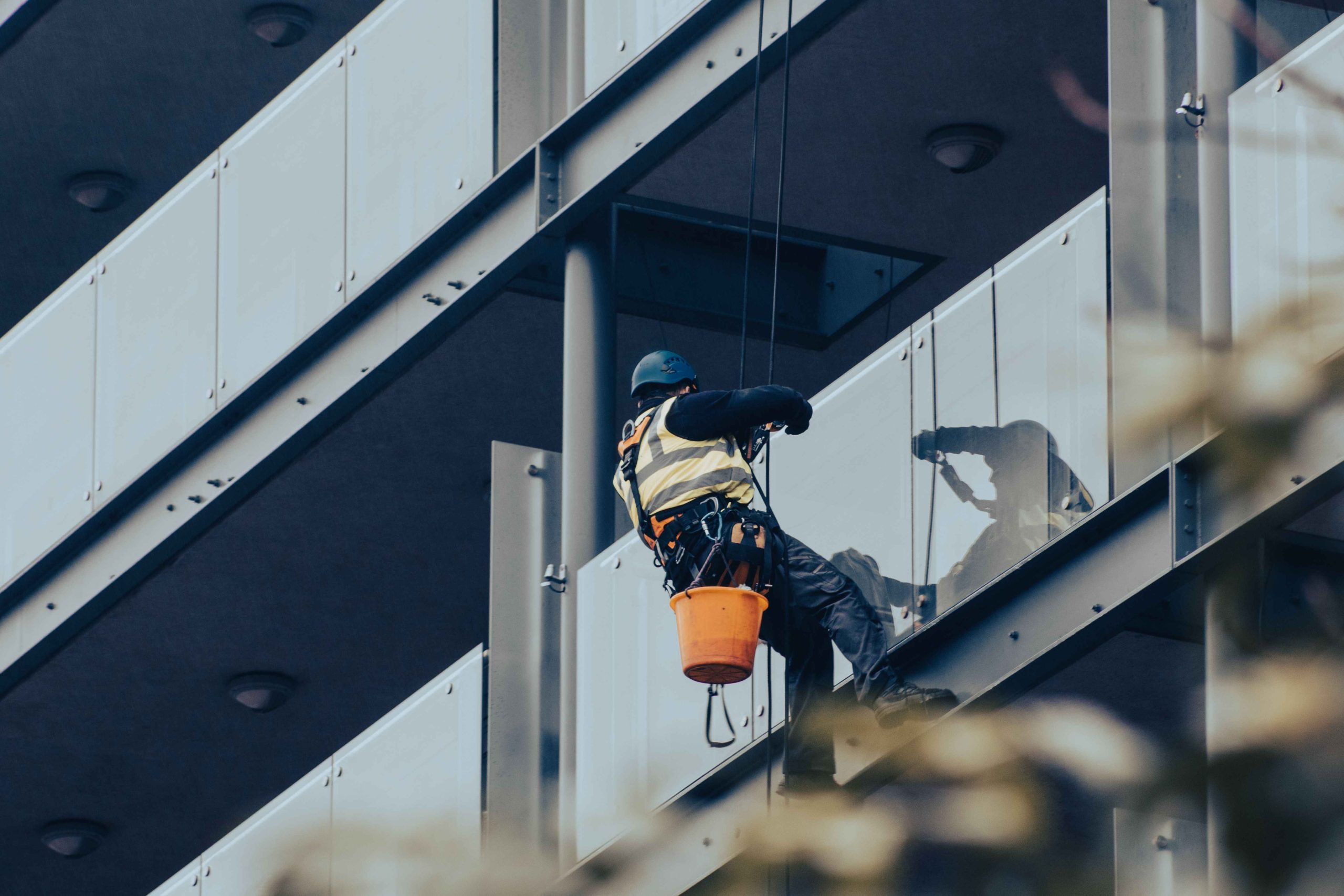
There’s a pattern that plays out at commercial properties again and again: small, easily preventable issues get ignored until they become expensive, disruptive problems. Streaked windows left uncleaned lead to permanent buildup. A minor caulking gap left unaddressed lets moisture work its way into a building envelope. Clogged eavestroughs cause water damage that could have been avoided with a simple seasonal cleaning. Working with a provider offering thorough window cleaning Toronto property managers rely on for their preventive maintenance is one of the clearest examples of how a modest, proactive investment consistently outperforms waiting for problems to appear.
Small Problems Compound When They’re Ignored
Almost every serious, expensive building maintenance issue starts out as something minor. A small amount of buildup on glass, left too long, can etch permanently into the surface. A minor gap in caulking, ignored through a few seasons of weather exposure, can widen into a real point of water infiltration. A clogged eavestrough, left unaddressed, can eventually cause water damage to fascia, siding, or even a building’s foundation.
These examples share a common thread: none of them started as significant problems. They became significant because they were ignored long enough for a manageable issue to compound into something considerably more expensive and disruptive to fix.
Preventive Maintenance Costs Far Less Than Reactive Repairs
The financial logic behind preventive maintenance is straightforward once you look at the numbers involved. Regular, scheduled cleaning and maintenance work is a predictable, budgetable expense. Reactive repairs, by contrast, tend to be unpredictable, often more expensive, and frequently come with additional costs beyond the repair itself, such as water damage remediation, tenant disruption, or emergency service premiums for work that needs to happen immediately rather than on a planned schedule.
Commercial property owners who consistently invest in preventive maintenance tend to spend meaningfully less over time than those who wait for visible problems to justify calling in a service provider, even though the preventive approach requires more frequent, ongoing spending along the way.
Appearance Affects Tenant and Customer Perception Immediately
Beyond the purely financial argument, a commercial property’s appearance has a direct and immediate effect on how tenants, customers, and visitors perceive the business. Streaked windows, grimy exteriors, and visible signs of neglect create an impression of carelessness that reflects on every business operating within that property, regardless of how well those individual businesses are actually run.
Consistent preventive maintenance keeps a property looking cared for at all times, rather than cycling between periods of neglect and occasional deep cleaning that only temporarily masks the underlying pattern of deferred maintenance.
Building Envelope Integrity Depends on Ongoing Attention
Caulking, sealants, and similar building envelope components play a critical role in keeping moisture out of a structure, but they degrade gradually under weather exposure and require periodic attention to remain effective. Neglecting this kind of maintenance doesn’t cause immediate, visible failure , it creates a slow-building vulnerability that often isn’t discovered until water damage has already occurred somewhere inside the building.
Regular inspection and maintenance of these building envelope elements, alongside cleaning services, catches this kind of gradual degradation while it’s still a simple fix, rather than after it’s already allowed water intrusion serious enough to require significant remediation.
Recurring Contracts Provide More Value Than One-Off Services
Commercial properties benefit significantly from establishing an ongoing maintenance relationship rather than calling for service only when a problem becomes visible. A provider working with a property on a recurring basis develops familiarity with that specific building’s needs, seasonal patterns, and problem areas over time, allowing for more proactive, informed maintenance planning than a series of disconnected, one-off service calls ever could.
This kind of ongoing relationship also tends to catch developing issues earlier, since a familiar provider is more likely to notice early signs of a problem during a routine visit than a new provider would be during a single, isolated service call.
Seasonal Timing Matters for Effective Maintenance
Certain maintenance tasks are far more effective when performed at the right time of year. Eavestrough cleaning before winter prevents ice damming and water damage during freeze-thaw cycles. Caulking work is generally more effective and longer-lasting when performed in moderate weather conditions rather than extreme heat or cold. A well-planned preventive maintenance schedule accounts for this seasonal timing, rather than treating maintenance as something to schedule reactively whenever convenience allows.
The Bottom Line
Preventive maintenance for commercial properties isn’t simply a matter of keeping things looking tidy , it’s a genuinely effective strategy for avoiding the kind of compounding, expensive problems that develop when small issues are left unaddressed. Regular attention to windows, building envelope elements, and exterior surfaces protects both the physical condition of a property and the impression it leaves on everyone who interacts with it, at a fraction of the cost reactive repairs eventually demand.