
How Generative AI Is Changing the Way We Create Video Content
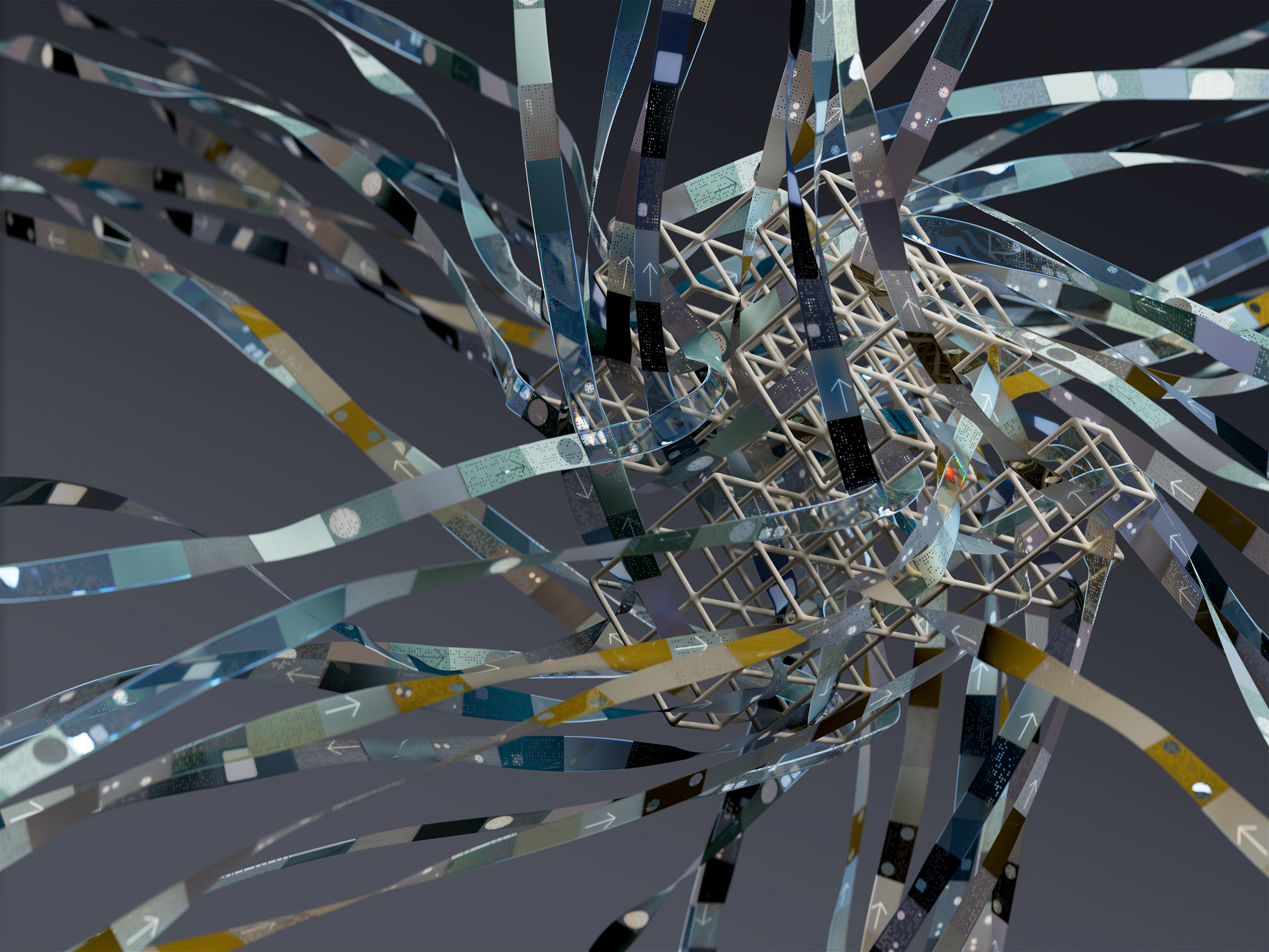
Artificial intelligence is rapidly becoming a central part of modern video production. What once required cameras, production crews, editing software, and extensive post-production can increasingly be supported by AI-powered tools. This shift is giving creators, marketers, and businesses new ways to transform simple ideas into engaging visual content.
As generative AI continues to advance, video creation is becoming faster, more flexible, and accessible to a much wider audience.
The Rise of AI-Powered Video Creation
Traditional video production often involves multiple stages, from developing a concept and preparing a storyboard to recording footage and completing post-production. Each stage can require specialized skills and significant resources.
Generative AI is simplifying parts of this process by allowing creators to describe scenes using natural language. AI models can then interpret those instructions and produce visual sequences based on elements such as subjects, environments, movement, lighting, and camera direction.
This makes it possible to explore creative concepts without committing immediately to a full production.
Advanced Models Are Improving Creative Control
The latest generation of AI video models is becoming increasingly capable of understanding detailed creative instructions. Improvements in motion generation, scene consistency, visual quality, and prompt interpretation are making AI-generated video more practical for everyday creative workflows.
Seedance 2.5 represents this broader development in generative video technology. More advanced models give creators opportunities to experiment with cinematic sequences, promotional content, product demonstrations, and social media videos while reducing the time traditionally required for production.
Better Prompts Can Produce Better Results
Prompting plays an important role in AI-assisted video creation. Instead of providing only a basic description, creators can specify important details about how they want a scene to look and behave.
A well-structured prompt might include:
- Subject: Who or what appears in the scene.
- Environment: Where the action takes place.
- Camera: Shot type, lens, angle, or movement.
- Lighting: Time of day, shadows, and atmosphere.
- Motion: How characters or objects move.
- Style: Cinematic, realistic, animated, or experimental.
- Mood: The emotional tone of the sequence.
Using detailed Seedance 2.5 prompts can help creators communicate their ideas more precisely and produce results that are closer to their intended visual direction.
AI Makes Creative Testing More Efficient
One of the biggest benefits of generative AI is rapid experimentation. Creators can generate several versions of the same concept, change individual elements, and compare the results without rebuilding an entire production from the beginning.
For marketing teams, this can be especially useful when developing multiple versions of advertisements or social media campaigns. Different visual concepts can be tested quickly before deciding which direction deserves further development.
Applications Beyond Social Media
Although AI-generated videos are increasingly popular among social media creators, their potential extends far beyond short-form content.
Businesses and professionals can explore AI video generation for:
- Product demonstrations.
- Advertising concepts.
- Brand storytelling.
- Educational content.
- Film previsualization.
- Social media campaigns.
- Presentation visuals.
- Creative prototypes.
These applications demonstrate how generative video can become part of a broader content-production workflow rather than simply being a novelty.
Human Direction Still Matters
AI can generate visual content quickly, but creative direction remains important. The quality of the final result depends not only on the model but also on the creator's ability to communicate an idea, evaluate outputs, and refine the concept.
Human creativity provides the story, purpose, and emotional direction, while AI can handle much of the experimentation and generation. Combining both approaches can result in a more efficient and flexible creative process.
What the Future Could Look Like
As generative video models continue to improve, creators will likely gain greater control over characters, environments, camera movement, continuity, and storytelling. AI-assisted production could eventually become a standard part of workflows ranging from advertising and entertainment to education and e-commerce.
The growing capabilities of technologies such as Seedance 2.5 show how quickly this field is developing. At the same time, learning how to create effective Seedance 2.5 prompts can help users make better use of these increasingly powerful systems.
Conclusion
Generative AI is changing video creation by reducing production barriers and making creative experimentation faster. Advanced models such as Seedance 2.5, combined with carefully designed prompts, give creators new ways to explore visual storytelling and produce engaging content. As AI technology continues to mature, the combination of human creativity and intelligent generation will become an increasingly important part of modern digital production.


