The Role of Therapy in Addiction and Mental Health Recovery
Key Takeaways
- Therapy uncovers and addresses root causes, advancing long-term success in addiction and mental health recovery.
- Diverse therapeutic techniques ensure care matches each individual’s needs and preferences.
- Family involvement strengthens recovery by improving understanding and support systems.
- Integrated treatment brings together medical, therapeutic, and social resources for individuals with complex needs.
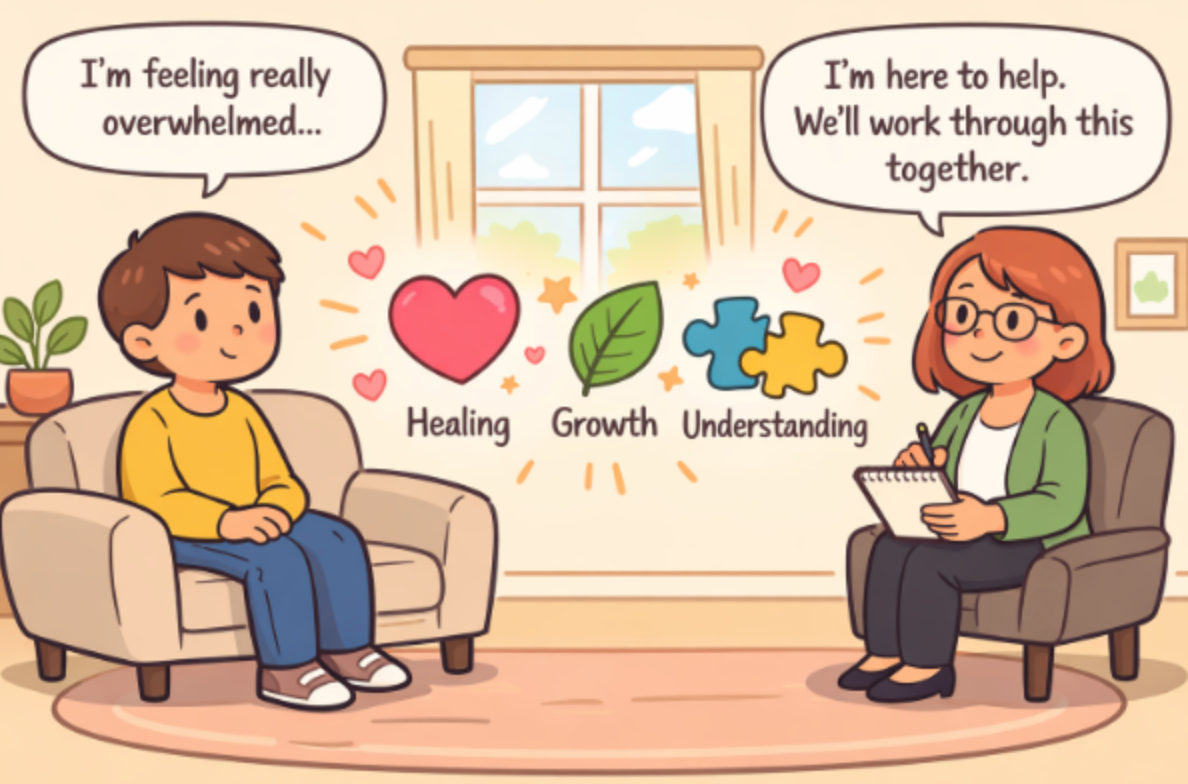
The role of therapy in addiction and mental health recovery is central to helping individuals understand the underlying causes of substance use and emotional distress. Through structured approaches such as cognitive behavioral therapy, group counseling, and trauma-informed care, therapy provides a safe space for reflection and change. It also supports individuals in developing coping strategies that promote long-term stability and healthier decision-making in everyday life.
Therapy is often integrated into broader treatment programs, where medical support, counseling, and community resources work together to address both psychological and behavioral aspects of recovery. For example, approaches similar to those found in rehab in Madison, Wisconsin, demonstrate how structured environments can combine individualized therapy with group support and aftercare planning. These integrated models highlight the importance of continuity of care, ensuring that individuals receive consistent emotional support and practical tools to sustain recovery and improve overall mental well-being over time.
Understanding the Impact of Therapy on Recovery
Recovery requires more than simply avoiding substances or unhealthy behaviors. Many individuals struggling with addiction and mental health disorders carry emotional pain or trauma that drives harmful patterns. Therapy is designed to bring these issues to the forefront in a compassionate, structured environment. Evidence shows that psychological treatment is associated with reduced relapse rates, improved emotional regulation, and greater overall well-being.
Through therapy, individuals gain insight into what triggers their behaviors. This self-knowledge becomes a powerful catalyst for change, helping individuals create and practice healthier coping strategies and rebuild stability in their lives.
Exploring Therapeutic Approaches
Several evidence-based therapeutic models have shown efficacy in the treatment of addiction and mental health disorders. A few of the most widely used approaches include:
- Cognitive-Behavioral Therapy (CBT): Structured to help clients identify and shift negative thought cycles, CBT is highly effective for both addiction and various mental health diagnoses.
- Dialectical Behavior Therapy (DBT): Combines elements of mindfulness and emotional regulation to help participants better manage intense emotions and reduce self-destructive patterns.
- Motivational Interviewing (MI): Utilizes open-ended questioning to bolster an individual’s intrinsic motivation and commitment to positive change.
- Family Therapy: Involves loved ones directly in the healing process, strengthening support systems, and facilitating healthier communication.
By personalizing therapeutic approaches to individual needs, clinicians address not just symptoms but the underlying dynamics unique to each client.
The Importance of Family Involvement
Involving family in therapy can significantly transform the recovery process. Substance use and mental health issues often impact the entire family system, not just the individual. Through family therapy, loved ones learn to understand the realities of addiction and mental illness, communicate more effectively, set healthy boundaries, and collaboratively design strategies to support lasting recovery. These changes reduce the risk of relapse and improve long-term outcomes for everyone involved.
Integrated Treatment Models
Individuals with co-occurring substance and mental health disorders require more than single-focus care. Integrated treatment models blend a range of services, medical, psychiatric, and therapeutic, to address all aspects of health. An example is the MISSION model, in which multidisciplinary teams work together to manage clients’ complex, interconnected needs. By addressing both physical and mental health in unison, this approach reduces fragmentation and increases the likelihood of sustained success.
Overcoming Barriers to Therapy
Despite clear benefits, many face obstacles in accessing therapy. Common barriers include the stigma surrounding mental health, financial limitations, and a lack of available practitioners, especially in rural areas. Raising public awareness through education, advocating for mental health parity in insurance, and supporting community-based resources are all crucial in making therapy more accessible to those in need.
The Therapist’s Role as a Guide and Advocate
Therapists play a critical role that extends beyond the session room. They act as guides, helping individuals navigate setbacks and plateaus in the recovery journey, and as advocates, ensuring that each person’s needs are voiced and respected. The therapeutic relationship can become a vital anchor, especially during the most vulnerable times. In addition to therapeutic techniques, the empathy, consistency, and nonjudgmental presence of a therapist foster trust and help clients experiment safely with new coping strategies. This relationship may be the first place individuals experience genuine validation, offering a foundation for rebuilding self-esteem and hope.
Therapists may also assist clients in accessing community resources, connecting them with support groups or complementary therapies such as mindfulness, exercise programs, or vocational counseling. Their broad view of recovery encompasses every aspect of life, from social interactions and lifestyle choices to work and spirituality. By helping individuals identify and leverage their inherent strengths, therapists ignite the belief that change is both possible and worthwhile.
Ongoing Recovery and Relapse Prevention
Recovery from addiction and mental health concerns is rarely a linear path. Setbacks or relapses can occur, but therapy teaches individuals to view these events as learning opportunities rather than failures. Relapse prevention planning is a central part of most therapeutic protocols, involving identifying warning signs, coping tools, and actionable steps to regain footing after difficulty. By preparing for challenges rather than fearing them, individuals are empowered to maintain progress even through adversity.
Integration of aftercare services, alumni programs, and ongoing therapy is vital for maintaining long-term momentum. Many find ongoing support groups such as 12-step meetings, group therapy, or peer networks to be invaluable in continuing their recovery and feeling less isolated.
Conclusion
Therapy is essential to breaking the cycle of addiction and mental health challenges. Through individualized therapeutic approaches, family participation, and comprehensive care models, therapy can transform lives and foster meaningful recovery. As stigma fades and access improves, more individuals can embark on a journey of healing supported by expert guidance and compassionate care.