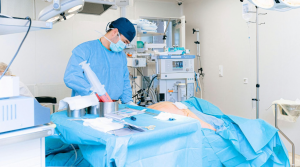
Navigating Your Journey to a Pain Free Smile with Expert Care

The transition into young adulthood brings many milestones, but for many, it also means the arrival of the last set of molars. Some people have enough space in their jaw for these latecomers, but many others have problems like impaction, crowding, or infection. When these problems come up, the best way to keep your teeth in line and avoid future dental emergencies is to get a professional consultation for wisdom teeth removal Barrie. Modern surgical methods have made this common procedure quicker and more comfortable, so people in Simcoe County can take care of possible dental problems before they get worse and cause a lot of pain or damage to the structure.
Why you might need to have your wisdom teeth pulled
Most people get their wisdom teeth, or third molars, between the ages of 17 and 25. Over thousands of years, our jaws have gotten smaller because the diets of our ancestors have changed. This often leaves not enough room for these four extra teeth.
Impacted Teeth: This is when a tooth gets stuck under the bone or gum line. If you don’t get treatment for impacted teeth, they can cause painful cysts or hurt the roots of nearby molars.
Partial Eruption: When a tooth only partially breaks through the gum, it makes a pocket that is very hard to clean. This is a good place for bacteria to grow, which can cause pericoronitis, or gum infection.
Crowding: Even if wisdom teeth come in straight, they can push on the rest of the arch, which could undo years of orthodontic work.
The Comfort and Sedation of Surgery
Patients are most worried about the surgery itself. But now, specialized clinics in Barrie offer a variety of sedation options to make sure your visit is completely stress-free. Depending on how complicated the extractions are and how anxious the patient is, they may be given local anesthesia, oral sedation, or intravenous (IV) sedation. Patients who are sedated through IV often feel like they slept through the whole procedure and wake up with no memory of the surgery.
What to Expect During the Recovery Phase
The first 48 hours of care after surgery are very important to the success of the procedure. Everyone heals at their own pace, but following these general rules will help you get better quickly:
Take care of the clot: The most important thing you can do to heal is to protect the blood clot that forms at the extraction site. To avoid “dry socket,” a painful condition where the bone is exposed, you should not use straws, smoke, or spit hard.
Managing Swelling: Putting ice packs on the outside of the jaw for the first 24 hours after surgery helps a lot with swelling.
Soft Food Diet: For the first few days, eating only lukewarm soups, yogurts, mashed potatoes, and smoothies will keep the surgical sites from getting irritated by hard or crunchy foods.
Benefits of Early Intervention in the Long Run
If you only take out your wisdom teeth when they start to hurt, the surgery can be more complicated. As we get older, the roots of our wisdom teeth get stronger and the jawbone gets denser. This makes it harder to pull them out and takes longer to heal. If you deal with the problem when you’re in your late teens or early twenties, the roots aren’t fully formed yet, and the tissues around them heal very quickly.
Putting money into this surgery to prevent problems is an investment in the health of your whole smile. By getting rid of the risk of infection and overcrowding, you make sure that your oral health stays good for many years to come.