Managing Myofascial Pain: Holistic Approaches and Daily Tips
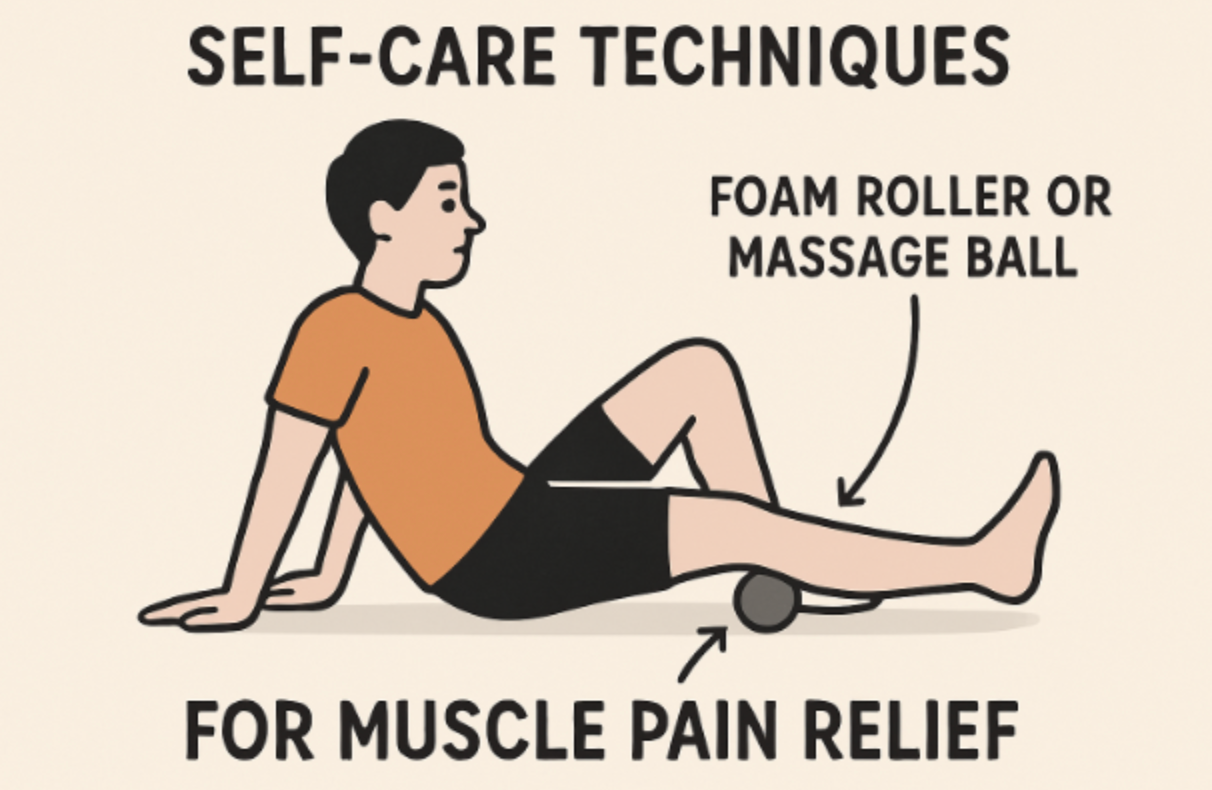
Table of Contents
- Understanding Myofascial Pain Syndrome
- Daily Self-Care Strategies
- Exercise and Movement Techniques
- Nutritional Support and Dietary Management
- Holistic Therapies for Pain Relief
- Creating an Ergonomic Home Environment
- Stress Reduction and Mindfulness Practices
- Collaborating with Healthcare Professionals
- Conclusion
Living with myofascial pain syndrome (MPS) can be a daily challenge, yet there are many ways to ease discomfort and regain control over your well-being. This chronic condition, marked by persistent muscle pain and sensitive trigger points, demands a thoughtful approach that goes beyond standard pain management. With a blend of self-care, lifestyle adjustments, and supportive therapies, individuals can significantly enhance their comfort and quality of life. For anyone seeking specialized care, exploring Myofascial Pain Syndrome treatment can be a beneficial next step to individualized relief. Understanding the causes, symptoms, and holistic treatments for myofascial pain empowers people to advocate for themselves and make informed decisions. Whether your diagnosis is recent or you have been managing symptoms for years, integrating a variety of evidence-based strategies increases the likelihood of long-term improvement.
Understanding Myofascial Pain Syndrome
Myofascial pain syndrome is characterized by muscle irritation and discomfort caused by trigger points within the fascia, the connective tissue that wraps around muscles. These trigger points not only cause pain at their source but can also refer pain to other parts of the body, making diagnosis and management especially complex. Key contributing factors include muscle overuse, repetitive strain, poor posture, or periods of heightened emotional stress. Symptoms often include deep, aching muscle pain that does not improve with rest, tenderness in specific spots, and even muscle stiffness or restricted movement. Recognizing the patterns of referred pain is essential to implementing proper interventions. Learning to differentiate myofascial pain from other musculoskeletal conditions is the first step in building an effective personal care routine.
Daily Self-Care Strategies
Incorporating simple self-care strategies daily can make a meaningful difference. One of the most effective tools is self-myofascial release. Using foam rollers or firm balls, individuals apply slow, even pressure to tight spots on the body, holding for 15 to 90 seconds until tension dissipates. Adding heat therapy, such as heating pads or warm baths, helps to soothe sore muscles and promote circulation, while cold packs can reduce inflammation and dull acute pain. Proper hydration during these routines helps keep muscles supple and less prone to spasms. It’s important to listen to your body, gently exploring which techniques bring relief and which might exacerbate symptoms. If self-myofascial release brings significant discomfort, modifying the intensity or switching to other forms of gentle stretching can help. In addition, a consistent sleep schedule supports muscle tissue recovery and lowers pain sensitivity.
Exercise and Movement Techniques
Purposeful movement plays a pivotal role in managing myofascial pain. Gentle static stretching, holding stretches at the edge of discomfort for up to 30 seconds, helps release areas of chronic tightness, improve flexibility, and maintain healthy blood flow. Adding strengthening exercises with light resistance addresses underlying muscle imbalances. This not only supports reciprocal muscles but also prevents the development of new trigger points. Postural training, such as practicing core stabilization and mindful shoulder alignment, protects vulnerable areas from further strain. These exercises are ideally performed under the supervision of a physical therapist or trained exercise specialist to ensure proper form and gradual progression.
Nutritional Support and Dietary Management
Nutrition plays a substantial role in combating inflammation, supporting tissue repair, and minimizing pain flare-ups. Diets rich in omega-3 fatty acids, such as those found in fatty fish, walnuts, and chia seeds, have been shown to have anti-inflammatory effects. Magnesium-rich foods, such as leafy greens, seeds, and chocolate, aid muscle relaxation and help reduce cramping. Hydration is vital at every step, as even mild dehydration can tighten fascia and slow recovery. Incorporating a wide range of nutrient-dense foods is optimal, as nutritional deficiencies often aggravate chronic pain states.
Holistic Therapies for Pain Relief
Holistic and complementary therapies can provide targeted, lasting relief when integrated with other management strategies. Acupuncture, an ancient Chinese practice of inserting fine needles into specific body points, has demonstrated success in boosting circulation and modulating pain signals. Massage therapy not only breaks up muscle adhesions but also triggers the release of endorphins, the body’s natural painkillers. Dry needling, in which thin needles are inserted directly into trigger points, can quickly deactivate sensitive spots and restore normal muscle length and function. For background on the evidence of these therapies, see this overview from the WebMD Myofascial Pain resource.
Creating an Ergonomic Home Environment
A well-designed home or work environment significantly minimizes daily muscle strain. Positioning computer monitors at eye level and an arm’s length away curbs neck tension, while a keyboard aligned with the body and elbows bent at 90 degrees prevents wrist and shoulder fatigue. Incorporating adjustable chairs and lumbar support encourages good posture. Taking brief, regular breaks for stretching or light walking every half hour keeps fascia pliable and prevents pain build-up associated with static postures.
Stress Reduction and Mindfulness Practices
Because stress is both a trigger and consequence of chronic pain, learning effective stress-reduction techniques is essential in MPS management. Slow, deep breathing calms the nervous system, which in turn helps loosen tense muscles. Body-scan meditations, in which attention is sequentially directed across the body to note and release tension, promote conscious relaxation. Guided imagery, mentally picturing calming scenarios, serves as a distraction technique and an emotional reset. Committing to daily mindfulness not only decreases pain intensity but also builds resilience to future stressors.
Collaborating with Healthcare Professionals
No holistic management plan is complete without the expert input of healthcare providers. Physical therapists customize exercise programs tailored to unique needs, identifying subtle biomechanical issues. Chiropractors assess and address structural imbalances that worsen pain, and nutritionists create anti-inflammatory meal plans that support healing. Team-based care ensures that all facets of myofascial pain are addressed and managed collaboratively, optimizing outcomes for those affected. Managing myofascial pain syndrome is a lifelong journey, best navigated with a toolkit of self-care routines, therapeutic movement, dietary considerations, and collaborative support. Implementing holistic approaches daily helps individuals minimize pain, enhance physical function, and reclaim a sense of control in their lives.
Conclusion
Effectively managing myofascial pain syndrome requires a comprehensive and proactive approach. By combining daily self-care practices, targeted exercise, proper nutrition, and mindfulness techniques, individuals can significantly reduce discomfort and improve overall function. Creating an ergonomic environment and integrating holistic therapies such as massage, acupuncture, or dry needling further supports muscle health and pain relief. Collaboration with healthcare professionals ensures that exercise programs, structural assessments, and dietary plans are tailored to each person’s unique needs. Consistency, awareness, and a multifaceted strategy empower those living with MPS to regain control, enhance mobility, and maintain a higher quality of life.