How Designers Use a Font Tester to Create Unique Typeface Families?
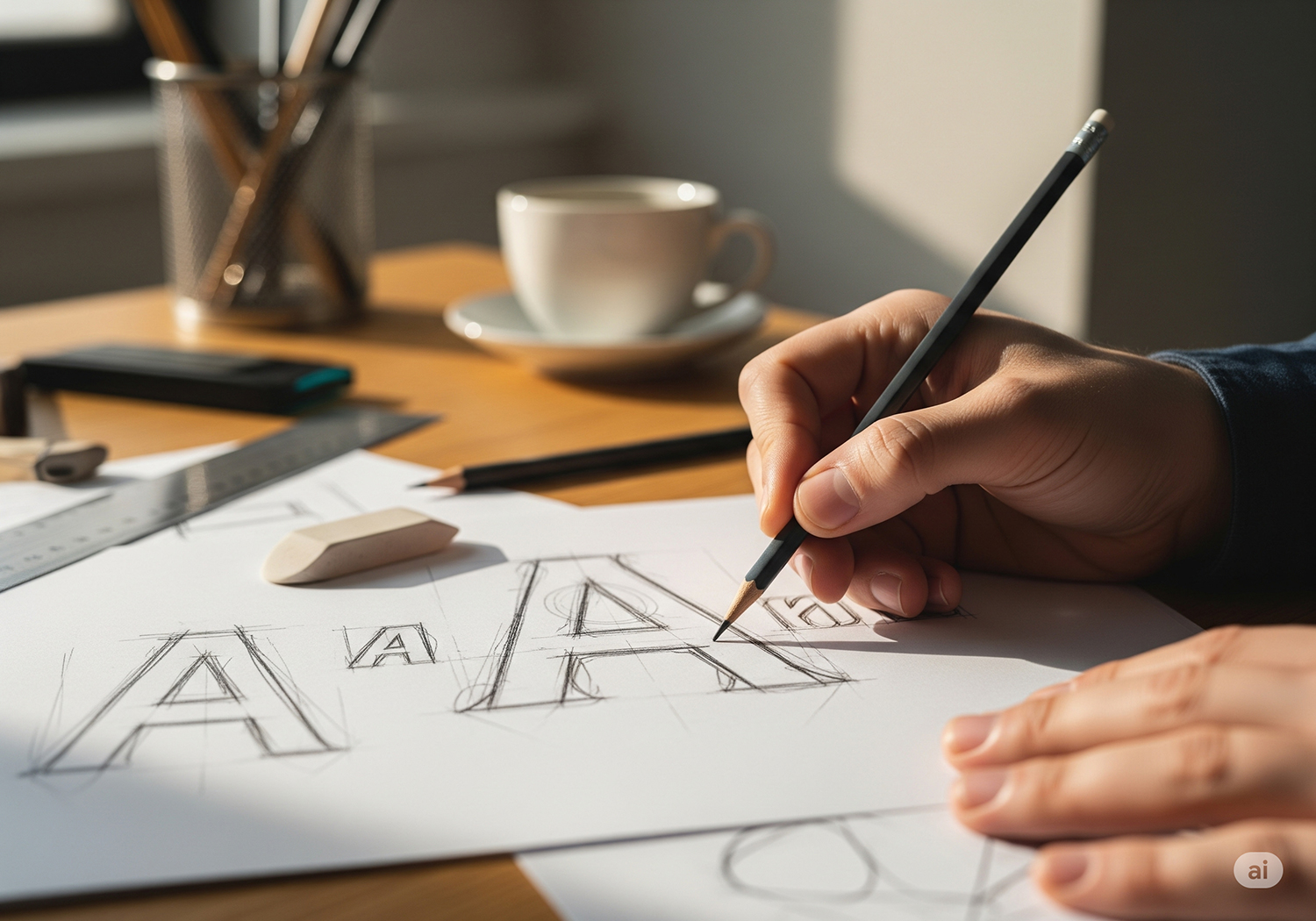
Typography as opposed to layout, colors and imagery can have the largest impact on the way audiences perceive a message even though many designers spend hours perfecting layouts, colors and images. It is the reason why the stage of trying out various fonts prior to a final choice is crucial in any designing endeavor.
A good font tester assists designers to compare styles, test readability and detect problems that may arise in a design before it is presented to an audience. No matter whether you are doing branding, web design, user interfaces and marketing materials a well organized font testing process can enhance the visual appeal and usability.
Why Font Testing Matters in Modern Design?
Each font conveys a distinct character. A modern without serifs can be fresh and clean whereas a traditional one may bring in a sense of credibility and power. The selection of the typeface can lead to confusion and mar the message of a design.
One of the easiest ways to do this is by using a font tester that is specially designed for use as a font tester. It enables designers to preview fonts using personal text, customize settings and test visual performance on the fly.
Font testing enables the designer to:
- Compare multiple typefaces side by side.
- Assess the readability of texts in various situations.
- Be consistent with platform.
- Improve user experience.
- Strengthen visual branding.
Start with the Purpose of the Design
Identify the main objective of the project before making comparisons between typefaces. Various purposes demand various typography methods.
For example:
| Design Type | Typography Goal |
| Corporate Website | Professional and trustworthy |
| E-commerce Store | Clear and conversion-focused |
| Mobile App | Highly readable on small screens |
| Luxury Brand | Elegant and distinctive |
| Editorial Content | Comfortable long-form reading |
Compare Multiple Fonts Side by Side
It is rare to have a good result with testing on a single font. Skilled designers consider a number of alternatives to come up with a decision.
Establish sample layouts with various typefaces and compare them under the same conditions. The content, spacing, colors and design structure should be used in each variation.
This method shows finer details that are not easily noticed at the first screening level.
Test Readability Across Different Sizes
One font might appear fabulous when used as a huge heading but hard to read when used as a body text. Good typography is one that can perform well at a variety of sizes.
In testing fonts, check:
Headings
Big fonts must generate hierarchy and draw attention without being overwhelming.
Body Content
The paragraph text is to be comfortable to read in protracted sessions.
Small Interface Elements
Captions, labels, buttons and navigation menus must be unusually clear.
Most designers find out that a font that works well in headlines becomes ineffective in smaller fonts. Pre-testing on different scales aids in removing such problems prior to launch.
Evaluate Typography on Different Devices
The modern user accesses materials on desktops, tablets, laptops and on their smartphones. A font that may look good on a massive monitor screen may not look good on a mobile phone.
Review typography on:
- Desktop screens
- Smartphones
- Tablets
- High-resolution displays
- Dark mode interfaces
Check Character Consistency
Good typography relies on consistency. All letters ought to be of the same family.
Pay attention to:
- Letter proportions
- Stroke thickness
- Character spacing
- Number design
- Punctuation marks
The testing of symbols, numerals and special characters is normally ignored by designers. These elements however are common in the real world content and play a vital part in the overall user experience.
Test Different Font Weights
Contemporary type families can have several weights like Thin to Black.
By testing these variations it is possible to determine whether the family can support:
- Headlines
- Subheadings
- Body text
- Navigation elements
- Call-to-action sections
A well-constructed font family must be able to retain visual harmony in all weight variations. This uniformity generates better design systems and enhances brand recognition.
Typeface Testing Workflow
- Define project goals.
- Select several font candidates.
- Compare fonts side by side.
- Test readability at different sizes.
- Review performance across devices.
- Evaluate weights and styles.
- Gather feedback.
- Finalize the strongest option.
Consider Accessibility Requirements
All typography choices should be affected by their accessibility. Inclusive design is useful to everyone such as the visually impaired and those with reading disabilities.
In comparing fonts take into consideration:
- Adequate letter spacing
- Clear character distinction
- Sufficient contrast
- Comfortable line height
- Readable font sizes
Incidentally, users are supposed to differentiate similar characters like: I, l and 1 easily. Weak points in clarity can be greatly improved to boost usability.
Gather Feedback Before Final Approval
Designers tend to get too acquainted with their work. New eyes depict problems that are not always noticed during in-house evaluations.
Test on: Ask colleagues, stakeholders or test users to assess:
- Readability
- Visual appeal
- Brand alignment
- Professional appearance
- Ease of scanning
A small group of feedback can be very helpful and reinforce the final design.
Common Font Testing Mistakes to Avoid
A lot of typography problems were caused by making decisions in a hurry and not because of bad font choice.
Some of these pitfalls should be avoided:
- Choosing fonts based solely on appearance.
- Ignoring mobile responsiveness.
- Testing with placeholder text only.
- Using too many font families.
- Skipping accessibility reviews.
- Overlooking multilingual support.
The testing process should be disciplined to remove these issues and more effective visual communication will be achieved.
The Future of Font Testing
Typography keeps on changing with technology. Adaptive interfaces, variable fonts and AI-assisted design tools have provided designers with more opportunities.
The testing techniques which are currently available to professionals enable them to test the font performance in real world situations prior to implementation. With the growing level of customization in digital experiences, font testing will be used more to create accessible, engaging, and consistent designs.
Conclusion
The choice of a typeface cannot be made on intuition. A thorough testing can assist designers to come up with experiences that appear professional, conveying clearly and accommodating the needs of users. Comparing fonts, analyzing the readability, cross-device testing, and getting feedback, designers can make sure and confident decisions about typography, which enhance its beauty and functionality.
To practitioners aiming to simplify the process of evaluation, TypeType resources offer useful resources and knowledge that will help in making informed font choices and more effective designs.