How Communities Are Shaping Better Health Outcomes for Future Generations
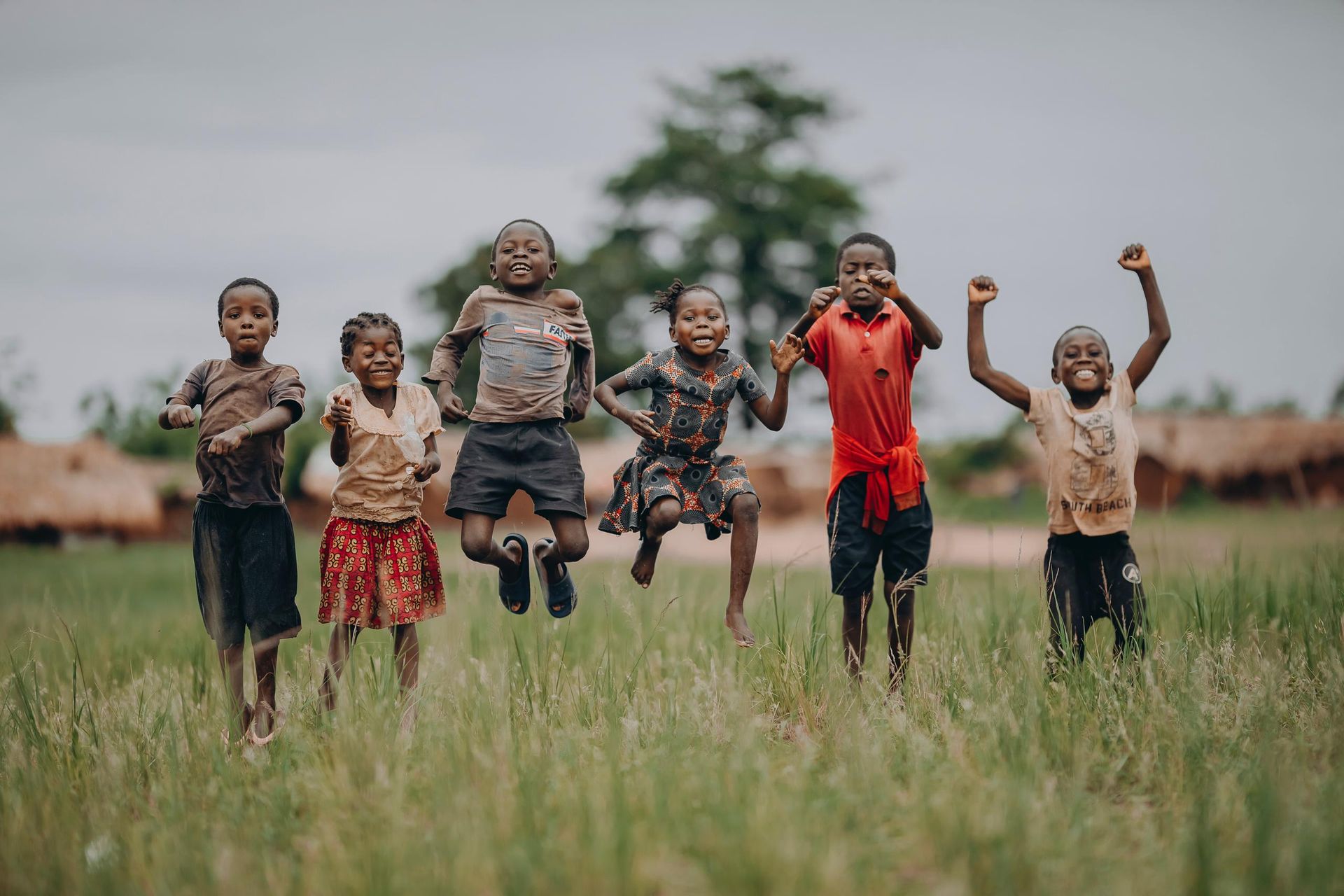
The most significant advances in health have always come from communities. When neighbours, local associations, and everyday people roll up their sleeves and work together, they create solutions that go far beyond a quick trip to the doctor. These initiatives tend to last because they’re built by the very people who live with the challenges every day — from putting better food on family tables to strengthening emotional resilience when times get tough.
The Power of Local Collaboration
Health issues are rarely simple. Families’ ability to manage their well-being on a daily basis is frequently impacted by having access to fresh groceries or dependable transportation to health appointments. Local efforts excel in this situation because they fill in the gaps that larger systems usually overlook.
Community gardens offer a perfect illustration. These green spaces have grown significantly in several cities in recent years. In addition to providing fresh fruit, they provide useful knowledge about cultivating food and making better and smarter meal choices. When these initiatives are developed from the bottom up, they are most effective. In town halls or neighbourhood surveys, locals openly discuss their real struggles. That direct feedback leads to programs shaped by real cultural needs and daily realities, creating a level of trust that top-down approaches often struggle to earn.
Addressing Health Equity Through Targeted Support
Real change requires looking closely at neighbourhoods that have gone without enough support for far too long. In these areas, chronic conditions tend to hit harder due to layers of barriers that extend well past medical care. The most effective programs combine clinical help with hands-on daily assistance.
Mobile clinics that include food packages, for example, give people managing diabetes a more complete form of support. They tackle both the medical side and the practical question of what ends up on the dinner table.
Adding transportation help alongside follow-up care has also made a visible dent in repeat hospital trips. Several regions have seen emergency visits drop thanks to these joined-up supports. There’s a quieter but important emotional benefit too: just knowing reliable help sits nearby can ease the constant worry that often slows down recovery or prevention.
Spotlight on Specialised Family Support
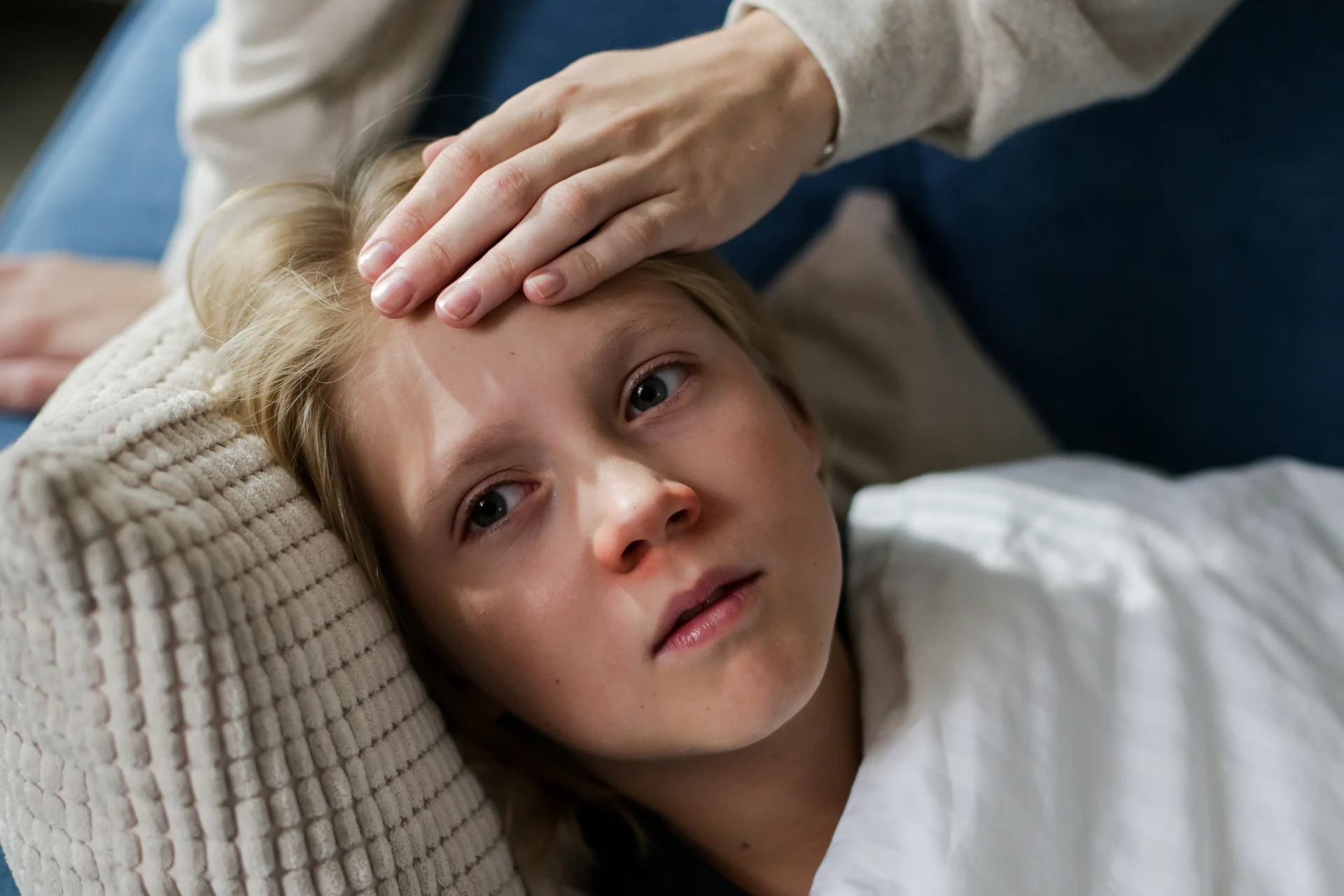
Among the many worthwhile local projects, the focused assistance for families dealing with serious childhood illnesses stands out. A childhood cancer charity makes a real difference by helping secure timely treatment, easing the burden of travel and lodging costs, and providing much-needed emotional resources during incredibly tough times.
These organisations regularly partner with hospitals to clear away obstacles like distance or financial strain. Their targeted approach strengthens the wider community health network by directing help precisely where it protects young patients and the families supporting them.
Mental and Preventive Health in Community Settings
Health goes far beyond the physical. Since the pandemic, community mental health efforts have grown in encouraging directions. Peer support circles, mindfulness gatherings in local parks, and counselling programs woven into schools are helping build emotional resilience for people across all ages.
Preventive education plays an equally vital role. Neighbourhood workshops that highlight early warning signs for common conditions empower people to act before problems grow. Pair these with free or low-cost health fairs, and screening rates climb while overall health awareness strengthens across the community.
Looking Ahead
Sustaining this sense of community is crucial to building a brighter future for the coming generations. New problems, including how climate change affects health, will need for adaptable, locally based solutions. Investing in neighbourhood-level initiatives now strengthens the basis for children and families in the future.
Positive impacts develop when communities prioritise genuine connections and useful assistance. Young people raised with solid resources naturally form better habits and encounter fewer barriers. Over time, this kind of collective commitment doesn’t just improve individual lives — it lifts up entire neighbourhoods. Staying aware and getting involved at the local level might be one of the most powerful things we can do to help build a truly healthier tomorrow.