How Can You Extend the Life of Your Chlorinator Cell
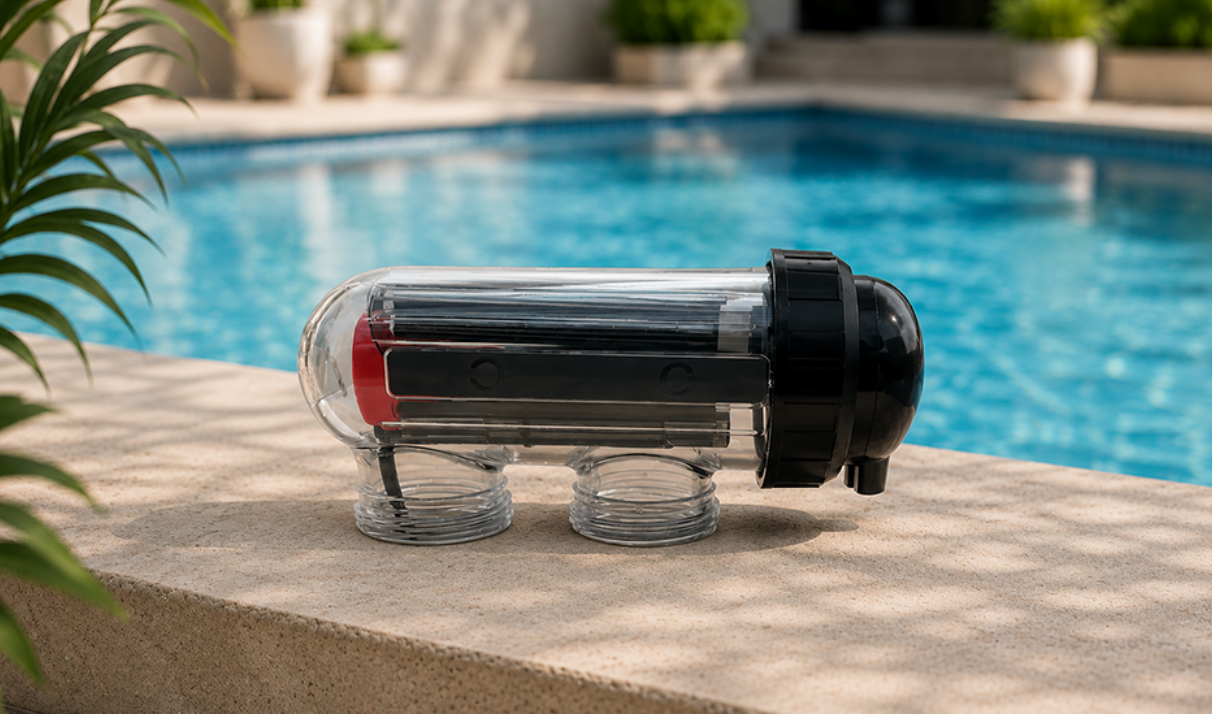
A salt water pool chlorinator cell is one of the most important components of a swimming pool sanitation system. It works continuously to convert salt into chlorine, helping maintain clean, clear, and healthy water. While modern chlorinator cells are designed for durability, their lifespan can be significantly affected by how well they are maintained. With a few simple maintenance practices and regular monitoring, it is possible to extend the life of a chlorinator cell and keep the pool operating efficiently for many years.
Understanding How a Chlorinator Cell Works
Before exploring maintenance strategies, it is helpful to understand the role of a chlorinator cell. The cell contains a series of metal plates coated with specialised materials that facilitate the electrolysis process. As salt water passes through the cell, electricity converts dissolved salt into chlorine, which sanitises the pool water.
Over time, these plates naturally experience wear due to constant use. By addressing the issues proactively, pool owners can significantly improve the longevity of their equipment.
Tips for Keeping Your Chlorinator Cell Performing Longer
Maintain Proper Water Chemistry
One of the most effective ways to extend the life of a chlorinator cell is to maintain balanced pool water. Water that is too acidic or too alkaline can place unnecessary stress on the cell plates and reduce their efficiency.
Regular testing helps ensure that pH, alkalinity, calcium hardness, and salt levels remain within recommended ranges. Balanced water not only protects the chlorinator cell but also benefits other pool equipment, reduces maintenance requirements, and improves swimmer comfort.
Prevent Calcium Scale Build-Up
Calcium scale is one of the most common causes of chlorinator cell damage. A scaled cell requires more energy to generate chlorine and can eventually suffer permanent damage if left untreated. Inspecting the cell regularly allows pool owners to identify early signs of mineral deposits before they become severe.
Excessive cleaning or harsh chemical treatments can damage the protective coating on the plates, so it is important to use gentle methods and only clean when necessary.
Avoid Running the System Longer Than Necessary
The ideal run time depends on factors such as pool size, water temperature, and seasonal conditions. Modern chlorination systems often include timers and adjustable output settings that allow chlorine production to be matched with actual pool requirements.
Working with an experienced pool builder in Ballarat can help ensure your chlorinator is set up correctly and operating efficiently.
Monitor Salt Levels Carefully
Regular testing helps ensure the ideal salt concentration is maintained throughout the swimming season. Environmental factors such as rainfall, splash-out, and water replacement can affect salt levels over time.
Keeping salt levels within the recommended range allows the chlorinator cell to operate efficiently and reduces unnecessary strain on the system.
Inspect the Cell Regularly
Routine visual inspections can help identify problems before they become serious. A quick inspection every few weeks allows pool owners to look for signs of scale, debris accumulation, corrosion, or physical damage.
During inspections, it is also important to check cable connections and ensure the cell housing remains free from leaks. A few minutes of preventative maintenance can contribute significantly to long-term performance and reliability.
Conclusion
Extending the life of a chlorinator cell does not require complicated maintenance routines. Consistent water balance, proper salt levels, regular inspections, scale prevention, and efficient operating practices can significantly improve the longevity of the system.
By taking a proactive approach to pool care, owners can reduce replacement costs, maintain reliable chlorine production, and enjoy cleaner water throughout the year. A well-maintained chlorinator cell delivers better performance, greater efficiency, and long-term value for any swimming pool.
Frequently Asked Questions
What causes a chlorinator cell to wear out faster?
Poor water balance, calcium scale build-up, excessive operating hours, incorrect salt levels, and inadequate maintenance can all contribute to premature cell wear.
How often should a chlorinator cell be cleaned?
Cleaning frequency depends on water conditions and mineral levels. Regular inspections can determine when cleaning is necessary, avoiding excessive maintenance that may damage the cell.
Can high calcium levels damage a chlorinator cell?
Yes. High calcium levels can lead to scale formation on the cell plates, reducing efficiency and potentially shortening the lifespan of the unit.
Why is maintaining correct salt levels important?
Proper salt levels allow the chlorinator to produce chlorine efficiently without placing unnecessary stress on the cell and related components.
What are the signs that a chlorinator cell may need replacement?
Reduced chlorine production, persistent error messages, visible plate deterioration, and declining performance despite proper maintenance may indicate that replacement is needed.