The Real Dangers of Underwater Welding: Risks Every Diver Should Know
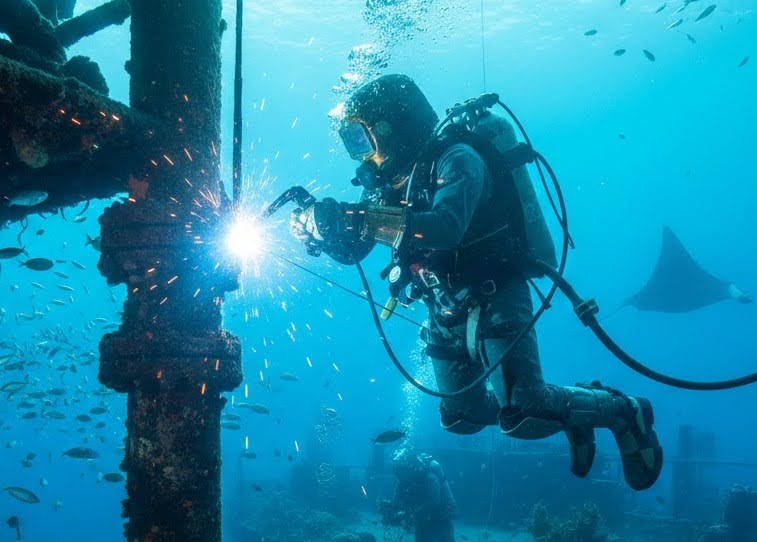
Table of Contents
- Electrocution Hazards
- Explosive Risks
- Drowning and Equipment Failure
- Decompression Sickness
- Differential Pressure Hazards
- Hypothermia
- Marine Life Threats
- Mitigating the Risks
- Training and Certification
- Psychological Challenges
- Industry Outlook and Technology
- Conclusion
Underwater welding is a high-stakes profession that merges the worlds of commercial diving and metalwork. From offshore oil rigs to ship repairs, underwater welders are essential to maintaining crucial infrastructure. However, the hidden dangers in this field are equally significant. Those interested in learning more about underwater welding risks should understand the full spectrum of hazards these professionals face beneath the surface. Operating in an environment where visibility is poor and hazardous conditions abound, underwater welders undergo rigorous training, yet daily risks persist. This article explores those challenges to help you appreciate why the job is both so valuable and so hazardous.
Electrocution Hazards
Working with electrical equipment in water magnifies the risk of electrocution. Even though underwater welders use equipment specified for these environments, water’s conductivity creates an ever-present danger. Only through strict adherence to insulation practices, routine inspections, and maintaining industry safety protocols can the risk be managed. For more information on the topic, the Occupational Safety and Health Administration (OSHA) provides resources on safety for commercial divers.
Explosive Risks
The process of welding underwater generates hydrogen and oxygen gases. If not adequately released, these gases can combine to form explosive pockets. Any spark or heat can ignite such mixtures, leading to serious underwater explosions. Teams must remain vigilant about gas venting and use monitoring tools to prevent potentially catastrophic accidents.
Drowning and Equipment Failure
Drowning remains a leading danger in underwater welding due to equipment complications or entanglement. The breathing apparatus and supply hoses are lifelines; any malfunction in these systems can rapidly escalate into a life-threatening emergency. Detailed equipment maintenance logs, pre-dive safety checks, and constant communication with surface teams are vital to preventing tragedies.
Decompression Sickness
Known as “the bends,” decompression sickness occurs when divers surface too quickly, causing nitrogen bubbles to form in their bloodstream. Its symptoms may be as mild as joint pain or as severe as paralysis or death. Underwater welders follow strict decompression schedules and often use decompression chambers to ensure their bodies adjust safely to pressure changes.
Differential Pressure Hazards
Complex underwater structures often create zones where water pressure varies suddenly. Known as differential pressure (Delta P) hazards, these areas can create extreme suction forces. A diver can become pinned without warning, making escape incredibly difficult and representing one of the gravest threats. Recognizing danger zones and avoiding these areas is as important as any technical skill a diver develops.
Hypothermia
Exposure to cold water is an expected part of the job, yet the resulting hypothermia is deadly serious. Even in insulated suits, a diver can lose body heat faster than it can be replenished, leading to disorientation, muscle fatigue, and loss of consciousness. Limiting dive times in frigid waters and investing in adequate thermal protection are industry-standard precautions.
Marine Life Threats
Underwater welders often encounter marine life, including jellyfish, stingrays, and, in rare cases, sharks. While attacks are uncommon, stings and bites can quickly become medical emergencies, particularly in remote underwater worksites. Understanding local marine life, maintaining high awareness during tasks, and wearing protective gear all reduce these risks.
Mitigating the Risks
Safety in underwater welding relies on a culture of training, preparation, and vigilance. Welders undergo extensive certification in both diving and welding, frequently participate in safety drills, and use purpose-designed equipment made to withstand harsh underwater conditions. Lessons learned from previous incidents inform protocols and standards, allowing the industry to evolve and become safer for all professionals involved continually.
Training and Certification
Embarking on a career in underwater welding requires rigorous training and certification. Typically, aspiring underwater welders must first obtain a commercial diving certification, which includes courses in both open-water and confined-space diving, emergency procedures, and underwater safety. Once certified as a commercial diver, individuals must receive specialized training in underwater welding and cutting techniques. Many technical schools and diving academies offer programs that blend classroom instruction with practical, hands-on experience in controlled water tanks. Ongoing education and re-certification ensure welders are up to date with the latest safety procedures and advancements in equipment. This continual learning process is vital, as even a minor lapse in knowledge or skills can have serious consequences beneath the surface.
Psychological Challenges
In addition to physical hazards, underwater welders must contend with psychological stressors unique to their profession. Working for extended periods in dark, confined spaces, separated from the surface by hundreds of feet of water, can induce feelings of claustrophobia or anxiety. Communication with support teams is often limited, and isolation can take a toll on a diver’s mental health. The pressure to perform tasks accurately and efficiently, even in dangerous conditions, adds yet another layer of stress. Many employers now emphasize mental health resources and peer support networks to help divers cope with the psychological demands of the job. Promoting open communication and recognizing signs of mental strain are essential components of a functioning safety program.
Industry Outlook and Technology
Despite the clear risks, underwater welding remains in demand due to the growing global need for underwater repairs, offshore construction, and maintenance. Advances in diving technology and robotic welding tools have gradually improved safety and efficiency, though they have not eliminated the need for skilled human welders. Remote-operated vehicles (ROVs) can handle certain repetitive or especially dangerous tasks. Still, the dexterity and rapid decision-making required for complex repairs mean human welders continue to play a critical role. Looking forward, ongoing innovation in both equipment and training methods promises to enhance safety and performance in underwater welding further, ensuring that this vital profession remains both viable and as safe as possible for future generations. Gaining insights into this profession’s dangers is just one step. Delve deeper with National Geographic’s feature on underwater welding for an in-depth look at the real-world challenges and stories from the field.
Conclusion
Underwater welding is a demanding profession that requires exceptional technical skill, physical endurance, and a constant commitment to safety. From electrocution and explosive gas buildup to decompression sickness, equipment failures, and psychological stress, welders face a wide range of challenges that make this one of the most hazardous careers in the skilled trades. Despite these risks, comprehensive training, strict safety procedures, advanced equipment, and ongoing technological innovations help reduce dangers and improve working conditions. As offshore infrastructure, marine construction, and underwater maintenance projects continue to expand, the need for qualified underwater welders remains strong. By understanding the risks and the measures used to manage them, industry professionals can better protect themselves while continuing to perform the critical work that keeps essential maritime and industrial systems operating safely and efficiently.