From Bottlenecks to Breakthroughs_ Improving Warehouse Efficiency with Innovation
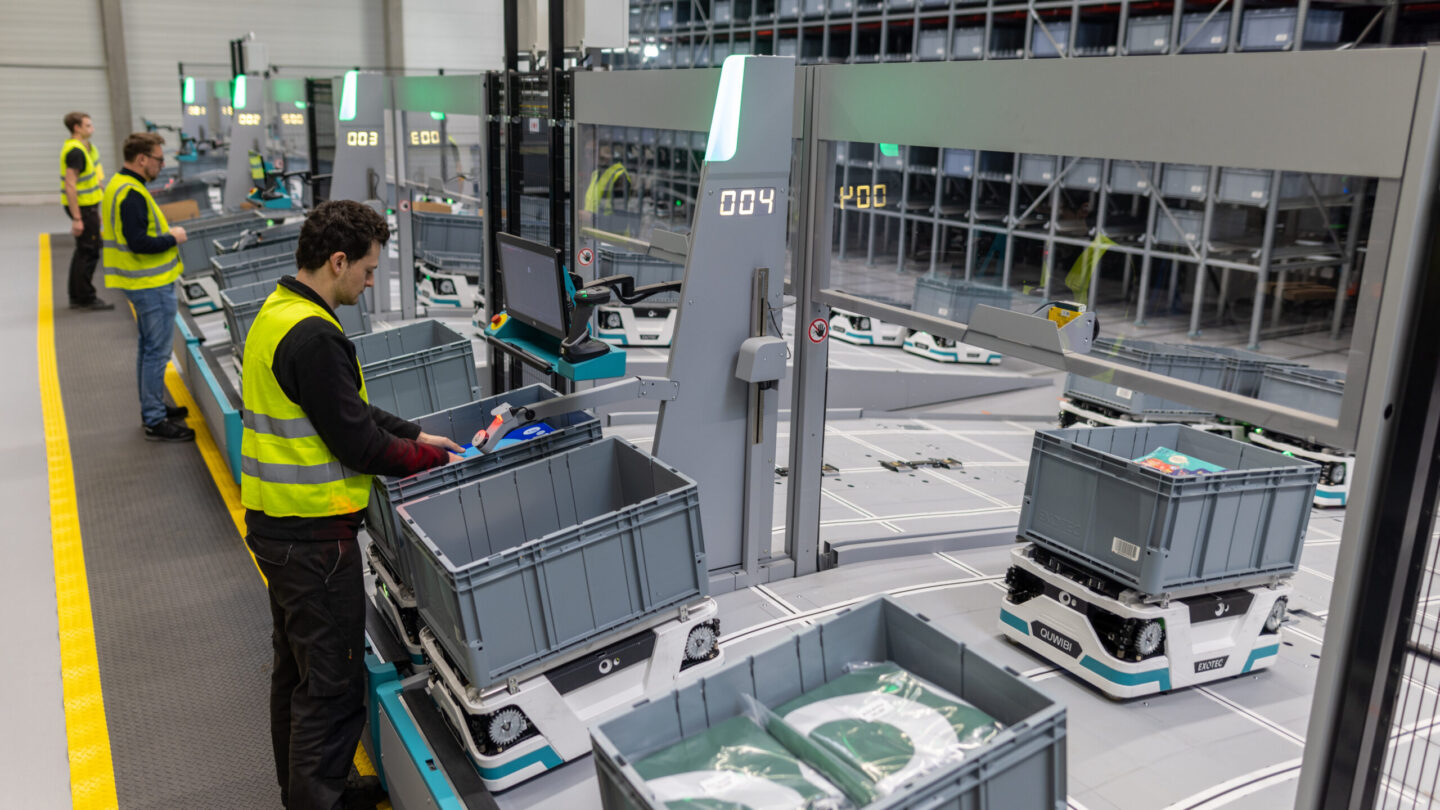
Warehouses are under constant pressure. Faster shipping expectations, tighter labor markets, and rising operating costs have turned even small inefficiencies into serious problems. What once passed as “good enough” now creates delays, errors, and missed opportunities.
The good news is that many of today’s warehouse bottlenecks are solvable. The path forward is not about working harder or pushing people beyond reasonable limits. It is about working smarter. Innovation—when applied thoughtfully—can turn chronic friction points into measurable gains.
This article explores how modern equipment, process redesign, and practical technology choices can help warehouses move from congestion to consistency.
Understanding Where Bottlenecks Begin
Every warehouse has constraints. Some are obvious, like slow-picking zones or overcrowded docks. Others are subtle, such as inefficient material flow or outdated handling equipment that forces extra steps into daily tasks.
Bottlenecks often develop gradually. A temporary workaround becomes permanent. A piece of equipment stays in use long after it has outlived its effectiveness. Over time, these compromises compound.
Common sources of delay include:
- Poorly designed layouts that require excessive travel
- Manual handling of bulk materials should be automated
- Equipment that is oversized, underpowered, or mismatched to the task
- Limited visibility into inventory movement and process timing
Identifying these issues requires observation and data. Walk the floor. Watch where people wait. Track where work piles up. The answers are usually there.
Rethinking Material Flow, Not Just Speed
Many warehouses focus on speed as the primary goal. Faster picking. Faster loading. Faster replenishment. Speed matters, but flow matters more.
Material flow looks at how goods move from receiving to storage to shipping as a continuous system. When the flow is smooth, speed improves naturally. When flow is broken, speed gains in one area often create congestion elsewhere.
Improving flow may involve:
- Reducing unnecessary handling steps
- Shortening travel paths between related operations
- Matching equipment capacity to actual throughput needs
- Separating fast-moving and slow-moving inventory zones
In bulk handling environments, the right transfer and storage solutions make a significant difference. Compact equipment designed to fit into tight layouts can eliminate awkward workarounds and improve consistency. For example, integrating low profile hoppers into production or packaging lines allows material to move efficiently without requiring major layout changes or elevated platforms.
Equipment That Solves Problems Instead of Creating Them
Not all equipment upgrades deliver value. Innovation fails when it adds complexity without addressing a real operational need. The most effective solutions are often simple, purpose-built, and reliable.
Modern warehouse equipment focuses on:
- Ergonomics that reduce strain and fatigue
- Automation that supports workers instead of replacing judgment
- Modular designs that adapt to changing demand
- Sensors and controls that prevent errors before they happen
Choosing the right equipment requires asking practical questions. Does it reduce handling? Does it eliminate a known delay? Does it integrate with existing systems? If the answer is no, it may not be the right investment.
Well-selected tools create consistency. Consistency reduces errors. Fewer errors free up time and capacity.
Using Data to Target Real Improvements
Innovation is most effective when guided by evidence. Data does not need to be complex to be useful. Even basic metrics can reveal where improvements will have the greatest impact.
Key indicators to watch include:
- Order cycle time
- Pick accuracy
- Dock-to-stock time
- Equipment utilization rates
- Labor hours per unit shipped
Data helps separate perception from reality. A process that feels slow may not be the true constraint. Another area, less visible, may be quietly limiting output.
Industry research frequently highlights this gap between assumption and performance. Analysis shared by McKinsey & Company has shown that many operational improvements come not from large-scale transformation, but from targeted changes informed by clear performance data.
Designing for Flexibility, Not Just Today’s Demand
Warehouse operations rarely stay static. Product mixes change. Order profiles shift. Seasonal peaks become less predictable.
Rigid systems struggle in these conditions. Flexible systems absorb change.
Flexibility can be built through:
- Scalable automation that can be expanded in phases
- Mobile or modular equipment that can be repositioned
- Layouts that allow zones to be reconfigured
- Software that adapts to new workflows without major reprogramming
Innovation should not lock a warehouse into a single way of working. It should create options. The ability to adjust quickly often becomes a competitive advantage.
Reducing Labor Strain While Increasing Output
Labor remains one of the most constrained resources in warehousing. Innovation should make work safer, less physically demanding, and more predictable.
When workers spend less time lifting, carrying, or waiting, productivity improves. So does retention.
Effective improvements include:
- Mechanized handling for heavy or repetitive tasks
- Clear visual systems that reduce decision fatigue
- Automation for low-value, repetitive movements
- Equipment designed around human reach and motion
These changes are not about replacing people. They are about allowing people to focus on tasks that require judgment, accuracy, and adaptability.
Connecting Systems for End-to-End Visibility
Disconnected systems create hidden bottlenecks. Inventory data lives in one place. Equipment data lives in another. Manual processes fill the gaps.
Modern warehouses benefit from better integration. When systems communicate, managers can see issues earlier and respond faster.
Integration supports:
- Real-time inventory tracking
- Predictive maintenance for critical equipment
- Better coordination between receiving, storage, and shipping
- Faster root-cause analysis when problems occur
Visibility turns surprises into manageable events. It also builds confidence in decision-making.
Turning Incremental Changes into Lasting Gains
Breakthroughs rarely come from a single dramatic upgrade. They come from a series of practical, well-executed improvements that remove friction from daily operations.
Each bottleneck addressed frees capacity. Each improvement compounds the next.
Warehouses that succeed focus on fundamentals. They observe closely. They invest carefully. They choose innovation that fits their reality, not someone else’s blueprint.