Common Causes of Water Damage at Home
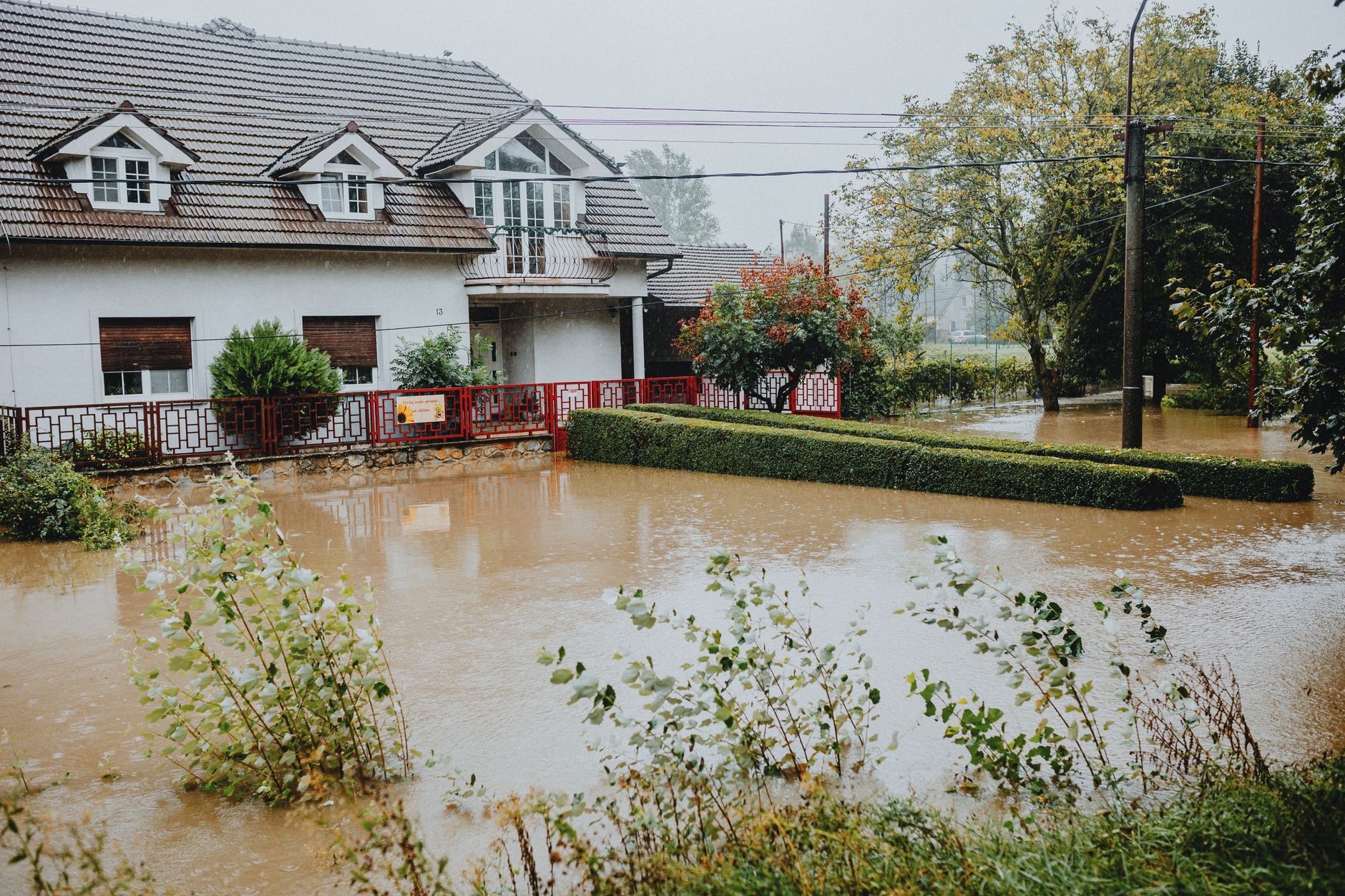
How to Handle Water Damage in Your Home Before It Turns Into a Bigger Problem
Water damage rarely announces itself. A pipe can leak behind a wall for weeks before anyone notices a stain on the ceiling. A washing machine hose can burst overnight and soak an entire laundry room by morning. By the time most homeowners realize what's happening, the damage has already spread into flooring, drywall, and sometimes the structure of the home itself.
The bigger problem often isn't the water itself. It's what comes after, when homeowners try to file an insurance claim and discover the process is more complicated than they expected. Coverage rules vary by policy and by state, which is why homeowners dealing with a serious claim sometimes bring in aKentucky water damage claim lawyer to sort out what their policy actually covers before they accept an insurance company's first offer.
Water damage shows up in more ways than most people expect. Some of the most frequent causes include:
- Burst or leaking pipes, especially in older homes
- Washing machine and dishwasher hose failures
- Roof leaks after storms or heavy wind
- Overflowing gutters that push water toward the foundation
- Water heater failures
- Sump pump malfunctions during heavy rain
Each of these causes can lead to a different kind of insurance conversation. A pipe that bursts inside a wall is usually treated differently than water that seeps in from outside during a storm, and insurers pay close attention to that distinction when reviewing a claim.
What to Do the Moment You Find Water Damage
The first hour after finding water damage matters more than people realize. Turning off the water source, if there is one, can prevent the damage from getting worse. If the water came from a storm or a roof leak, moving valuables away from the affected area can help limit the loss.
Once the immediate risk is handled, documentation becomes the priority. Photos and video of the damage, taken before any cleanup begins, give a clear picture of what happened and how bad it was. Homeowners should photograph the source of the leak if it's visible, the affected walls or flooring, and any personal belongings that were damaged. It also helps to write down the date and approximate time the damage was discovered, since insurers often ask for this during the claims process.
Why Insurance Claims for Water Damage Get Complicated
Homeowners insurance generally covers water damage that happens suddenly and by accident, like a pipe that bursts without warning. It typically does not cover water damage caused by neglect, such as a slow leak that went unaddressed for months, or damage caused by flooding from outside the home. Flood damage almost always requires a separate flood insurance policy.
This distinction creates a lot of disputes. An insurance company might argue that a leak was a maintenance issue rather than a sudden accident, which can significantly reduce or eliminate a payout. According to theInsurance Information Institute, about one in 60 insured homes has a property damage claim caused by water damage or freezing each year, which shows just how often insurers deal with this exact question. That kind of frequency is exactly why documentation and a clear paper trail matter so much for homeowners trying to get a fair payout.
Homeowners are also often surprised by how much their policy language matters. Two policies from different companies can handle the same type of damage in very different ways, and the fine print around exclusions can make or break a claim.
Dealing With the Insurance Company
Once a claim is filed, an adjuster will usually visit the home to assess the damage. It helps to be present for that visit and to point out anything that might not be obvious, like water stains inside a wall cavity or damage under flooring. Homeowners should also keep copies of every document they send to the insurance company and every response they receive back.
It's common for an initial settlement offer to come in lower than the actual cost of repairs. Before accepting anything, it helps to get a repair estimate from a licensed contractor so there's something concrete to compare the offer against. If the insurance company denies the claim outright or drags the process out for months, that's usually the point where getting legal advice starts to make sense.
A Note for Kentucky Homeowners
Kentucky's weather plays a real role in how often water damage claims come up across the state. Heavy spring rains, sudden storms, and older housing stock throughout the state all contribute to plumbing failures and roof leaks that lead to interior water damage. Many homes in Kentucky were built decades ago, and aging pipes combined with seasonal freezing and thawing can make pipe bursts more common than homeowners expect. Because of this, Kentucky insurers see a steady stream of water damage claims every year, and homeowners who understand their policy ahead of time tend to have an easier time when something actually goes wrong.
When to Bring in a Professional
Not every water damage claim needs a lawyer involved. A small, straightforward claim that gets approved and paid fairly usually doesn't require anything beyond good documentation. But when a claim gets denied, delayed for months, or settled for far less than the actual repair costs, that's a sign the homeowner needs someone reviewing the policy on their behalf.
An attorney who handles these cases regularly can spot when an insurer is misapplying policy language or treating a covered loss as an excluded one. They can also push back on lowball offers with the kind of documentation and negotiation insurance companies take seriously.
The Bottom Line
Water damage is stressful enough without also having to fight for a fair insurance payout. Acting fast, documenting everything, and understanding what your policy actually covers can prevent a lot of frustration down the road. And if the insurance company isn't playing fair, getting a second opinion from someone who knows how these claims work is often the difference between a fair settlement and a long, drawn-out dispute.