A Beginner’s Guide to Laboratory Equipment and Their Uses
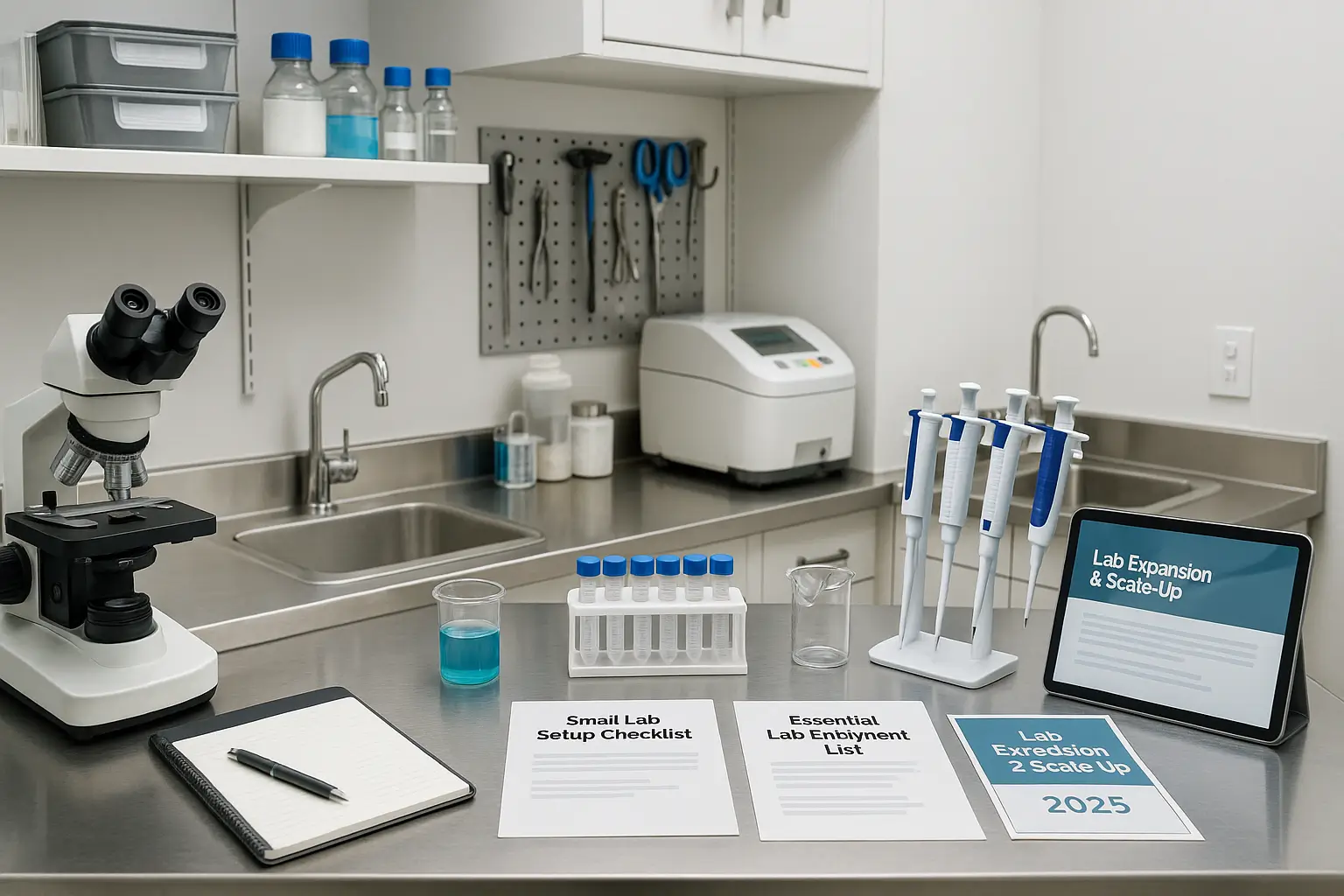
Laboratories play a crucial role in education, research, and industrial development. From schools and universities to healthcare and manufacturing sectors, laboratory equipment helps professionals analyse, test, and understand different materials and substances. In Singapore, where innovation and scientific advancement are highly valued, having the right lab equipment is essential for accuracy and efficiency.
For beginners, understanding the purpose and function of common laboratory tools can make a significant difference in how effectively experiments and observations are carried out.
Why Laboratory Equipment Matters
Laboratory tools are designed to provide precision and consistency. Whether it is measuring chemicals, analysing samples, or observing microscopic structures, each piece of equipment serves a specific purpose.
Using the right equipment ensures reliable results and reduces the chances of errors. In environments such as research labs or medical facilities in Singapore, accuracy is especially important, as it can directly impact outcomes and decisions.
Common Types of Laboratory Equipment
There are several essential tools that are commonly found in laboratories.
Measuring Instruments
Devices such as measuring cylinders, pipettes, and burettes are used to measure liquids accurately. These tools are fundamental in chemical and biological experiments.
Heating Equipment
Bunsen burners and hot plates are used to heat substances during experiments. Controlled heating is necessary for many chemical reactions.
Storage Containers
Beakers, flasks, and test tubes are used to hold and mix substances. They are available in different sizes depending on the requirement.
Safety Equipment
Safety goggles, gloves, and lab coats help protect users from potential hazards. Maintaining safety is a key priority in any laboratory setting.
The Importance of Observation Tools
Observation is a core part of scientific study. Many experiments involve analysing details that are not visible to the naked eye. This is where specialised equipment becomes essential.
A laboratory microscope is one of the most important tools used for this purpose. It allows users to view tiny structures such as cells, bacteria, and tissues that cannot be seen without magnification.
Microscopes are widely used in fields like biology, medicine, and material science, helping researchers and students gain deeper insights into the microscopic world.
Types of Microscopes Used in Laboratories
There are different types of microscopes designed for specific applications.
Compound Microscopes
These are the most commonly used microscopes in educational and medical labs. They use multiple lenses to achieve higher magnification and are ideal for viewing cells and microorganisms.
Stereo Microscopes
Also known as dissecting microscopes, these provide a three dimensional view of larger samples. They are often used for detailed surface observation.
Electron Microscopes
These advanced microscopes use electron beams instead of light, allowing scientists to observe extremely small structures with very high resolution.
Each type serves a different purpose, depending on the level of detail required and the nature of the sample being studied.
Applications in Singapore
Laboratory equipment is used across various sectors in Singapore.
Education
Schools and universities use lab tools to teach students about science and experimentation.
Healthcare
Hospitals and diagnostic labs rely on precise equipment to analyse samples and detect diseases.
Research and Development
Research institutions use advanced tools to study new materials, technologies, and medical treatments.
Industrial Use
Manufacturing and quality control processes often involve testing materials to ensure standards are met.
Choosing the Right Equipment
Selecting laboratory equipment depends on several factors.
Purpose of Use
Different tasks require different tools. Understanding your needs helps in choosing the right equipment.
Accuracy and Precision
High quality equipment provides more reliable results, which is essential for professional applications.
Durability
In Singapore’s humid environment, durable materials help ensure long term performance.
Ease of Use
User friendly equipment is especially important for beginners and educational settings.
Maintenance and Care
Proper maintenance is important to keep laboratory equipment functioning effectively. Cleaning tools after use, storing them in appropriate conditions, and handling them carefully can extend their lifespan.
Regular checks also help identify any issues early, preventing disruptions during experiments or testing processes.
Conclusion
Understanding laboratory equipment and their uses is essential for anyone involved in scientific work. From basic measuring tools to advanced observation devices, each piece of equipment plays a vital role in achieving accurate results.
For students, professionals, and researchers in Singapore, having the right tools and using them correctly can improve both efficiency and outcomes. By building a strong foundation in laboratory practices, it becomes easier to explore and understand the world through science.