Acne scars have a way of outlasting the breakouts that caused them
Pico Laser in Malaysia: How It Addresses Acne Scars and Skin Concerns
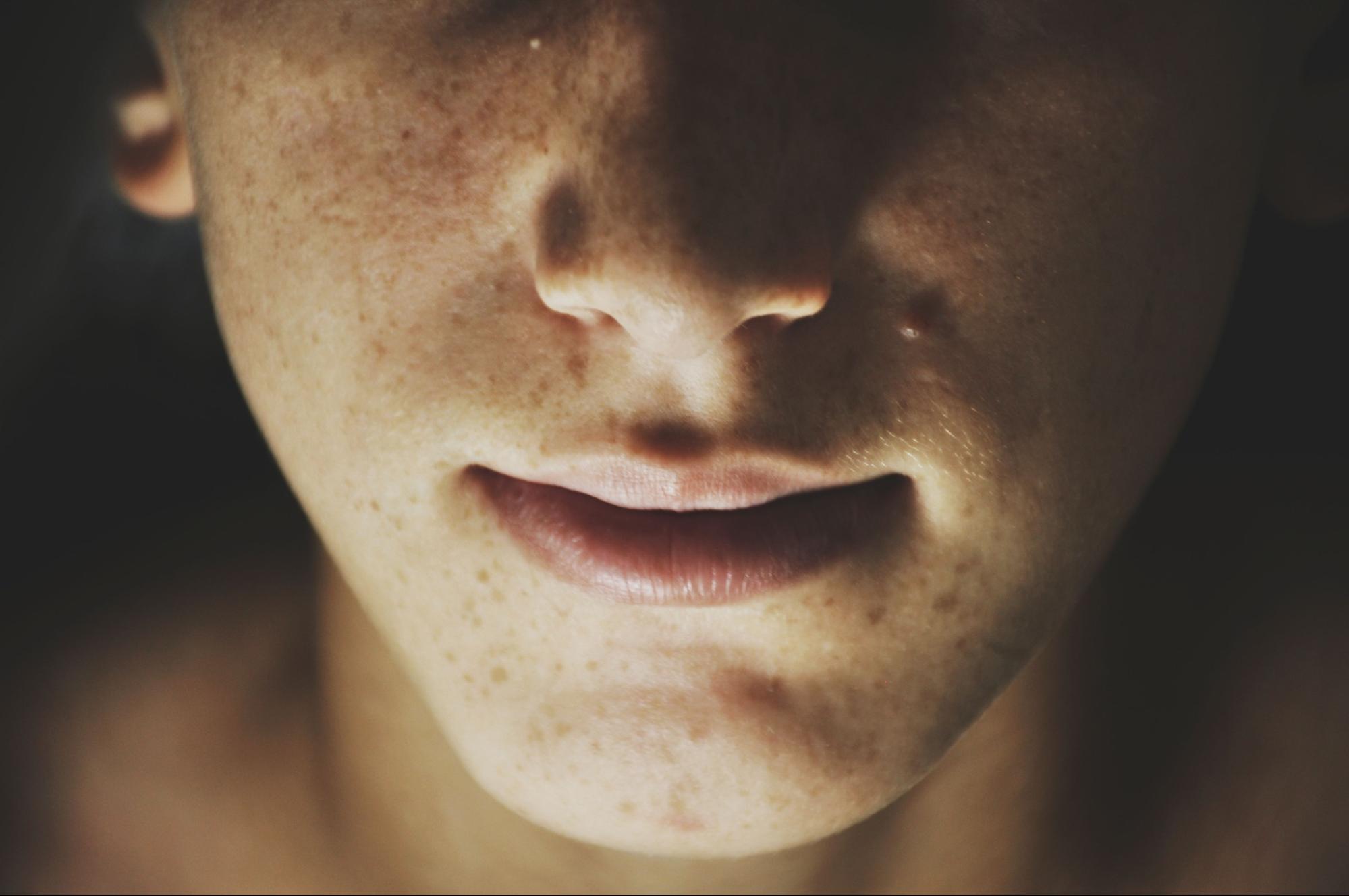
Acne scars have a way of outlasting the breakouts that caused them. For many Malaysians, the pimples cleared years ago but the marks stayed, visible in certain lighting, in photographs, in the mirror before an important day. Skincare products lighten them gradually. Concealer covers them temporarily. But the texture, the depressions and the uneven surface that topical products cannot fully address is where pico laser treatment for acne scars in Malaysia has changed what is possible.
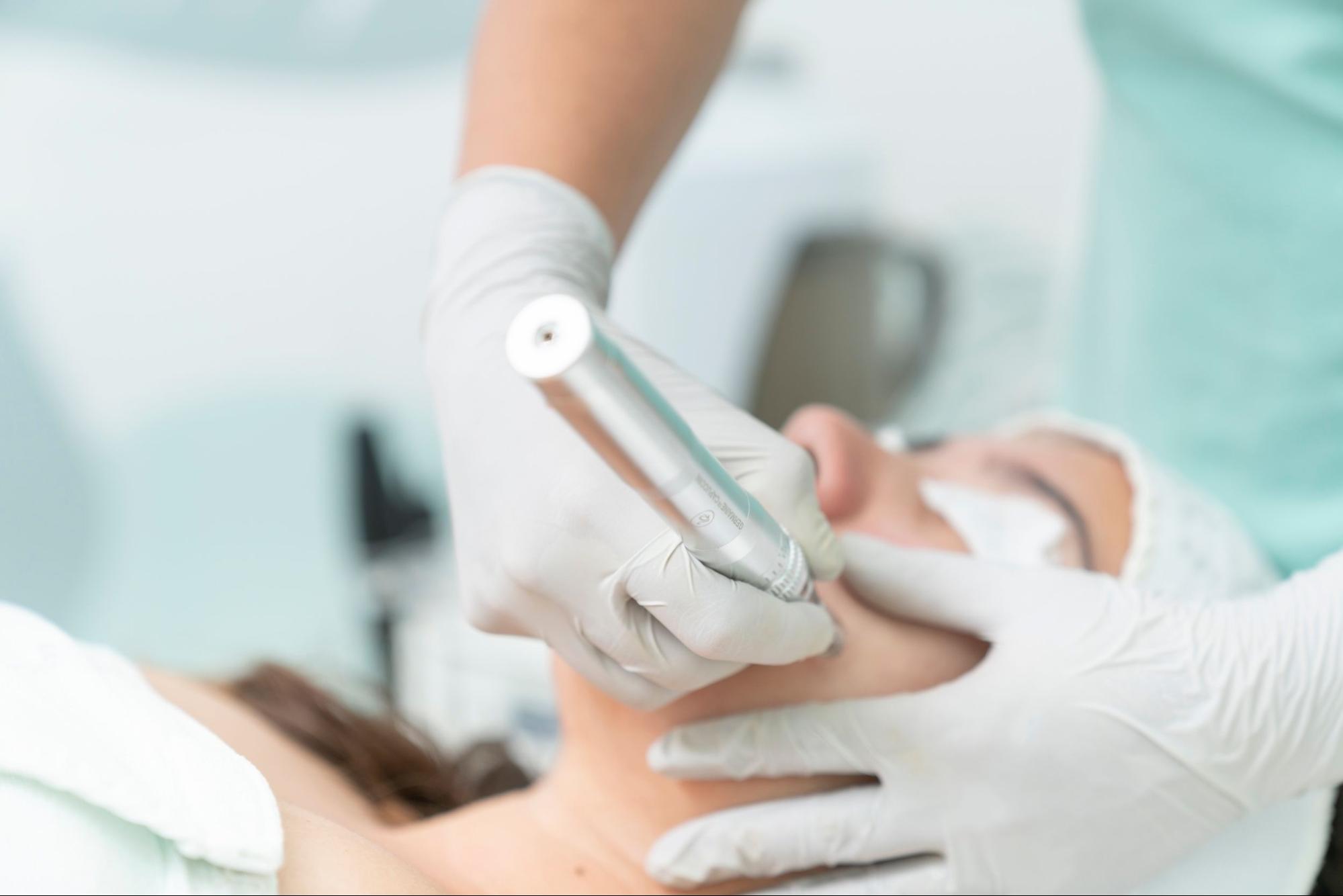
Using energy delivered in trillionths of a second, it works beneath the skin's surface to break down scar tissue and trigger the skin's own repair process, without the prolonged downtime that kept many Malaysians away from laser treatments in the past.
Essential Facts About Pico Laser for Acne Scars
- Picosecond laser technology delivers ultra-short pulses that create photomechanical effects, shattering pigment and stimulating deeper collagen with less heat damage than older nanosecond lasers.
- Clinical studies indicate that pico laser improves skin texture by approximately 50 to 80 percent, rarely erasing scars completely but significantly softening visible depressions.
- Pricing varies depending on scar type, severity and the number of sessions recommended. Hebe Clinic offers personalised consultations to provide a treatment plan and cost estimate tailored to each patient's skin.
- Most patients need 3 to 4 sessions for noticeable results on pigmentation and texture, compared to 6 to 10 sessions required by traditional laser systems.
- Downtime is minimal, with redness and sensitivity lasting one to three days, allowing most Malaysians to return to work the following day with proper sun protection.
Introduction
Acne scars affect thousands of Malaysians across all ethnic backgrounds, creating textural irregularities that resist conventional skincare. Pico laser treatment for acne scars in Malaysia addresses this concern through advanced energy delivery that remodels skin without the prolonged recovery periods associated with ablative procedures.
Why Pico Laser Matters for Malaysian Skin
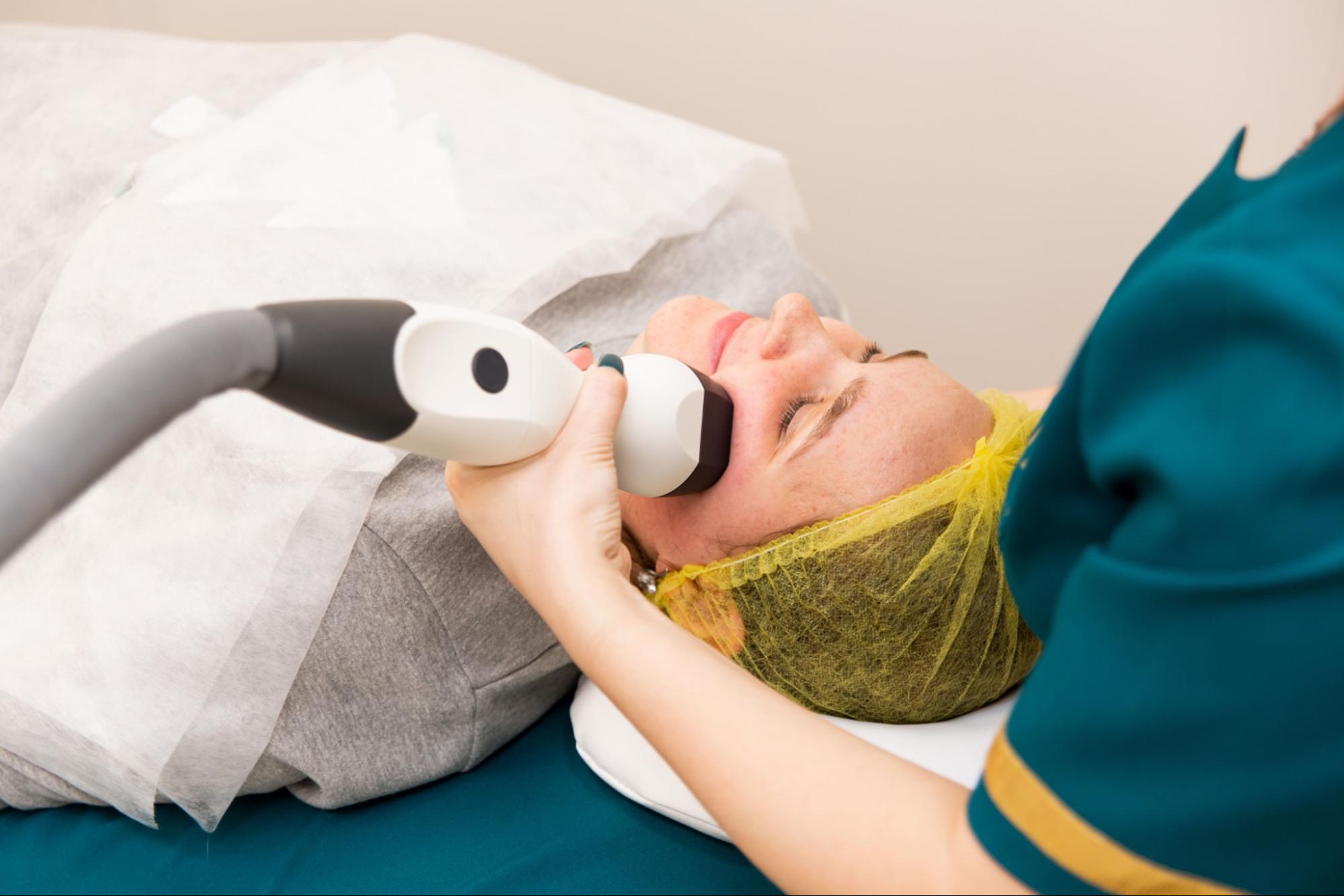
Malaysian patients commonly present with Fitzpatrick skin types III to V, which carry higher risks of post-inflammatory hyperpigmentation when treated with heat-based lasers. Pico laser uses ultra-fast photomechanical energy rather than thermal damage, making it a more suitable option across the diverse skin tones prevalent in Malaysia's multiethnic population.
The technology has gained prominence in Kuala Lumpur, Penang and Johor Bahru because it addresses both pigmentation concerns and textural scarring simultaneously, making it particularly well-suited to the skin concerns most commonly seen in Malaysian aesthetic clinics.
How Picosecond Technology Works on Acne Scars
Picosecond laser technology operates at pulse durations measured in trillionths of a second, creating rapid pressure waves that fragment melanin and trigger controlled skin injury. This process activates the skin's natural repair mechanisms, stimulating collagen and elastin production to gradually fill the textural depressions characteristic of atrophic acne scars.
Unlike continuous-wave or longer-pulse lasers that rely heavily on heat, pico systems minimise thermal spread to surrounding tissue. This precision reduces recovery time and lowers the risk of paradoxical darkening, a critical advantage for patients with higher melanin content in their skin.
Treatment Approach by Acne Scar Type
Acne scars manifest in distinct morphologies, and pico laser performs differently depending on scar architecture. Ice pick, boxcar, rolling, hypertrophic and keloid scars each require specific treatment protocols, often combining modalities for the most effective outcomes.
Rolling scars with gentle, wave-like depressions respond well to pico laser alone, as the collagen remodelling gradually lifts depressed areas. Boxcar scars with wider, sharply demarcated edges benefit from fractional pico attachments but may require adjunct subcision or radiofrequency microneedling for deeper remodelling. Ice pick scars, being narrow and deep, typically demand combination therapy such as TCA CROSS chemical reconstruction followed by pico laser resurfacing sessions to achieve meaningful improvement.
Comparing Pico Laser to Other Scar Treatments
|
Treatment |
Mechanism |
Sessions Needed |
Downtime |
Best For |
|
Pico Laser |
Photomechanical |
3–6 |
1–3 days |
Shallow to moderate scars, pigmentation |
|
Fractional CO₂ |
Ablative thermal |
1–3 |
7–14 days |
Deep boxcar, rolling scars |
|
Microneedling RF |
Radiofrequency + needles |
3–5 |
3–5 days |
All scar types, skin tightening |
|
Subcision |
Mechanical release |
1–3 |
5–7 days |
Tethered rolling scars |
What Clinical Data Reveals About Pico Laser Effectiveness
Many prospective patients expect complete scar removal, but clinical evidence and practitioner experience indicate more modest outcomes. Published data on picosecond laser systems shows that pico laser typically achieves 50 to 80 percent improvement in texture and tone, with visible softening rather than total erasure of scars.
This improvement threshold aligns with studies on picosecond fractional systems, which demonstrate significant patient satisfaction scores despite residual textural changes. Setting realistic expectations before beginning treatment prevents disappointment and helps patients appreciate incremental progress across multiple sessions.
Real-World Treatment Journey
A typical Malaysian patient with moderate boxcar and rolling scars begins with a consultation to map scar morphology and establish a treatment plan. The patient undergoes pico laser sessions every four to six weeks, starting with lower energy settings that gradually increase as the skin builds tolerance and collagen response.
After three sessions, visible improvement in skin texture becomes apparent, with scars appearing less deep and skin tone more even. The patient completes six sessions over six months, achieving approximately 60 percent reduction in scar visibility, then transitions to maintenance treatments every four to six months to sustain collagen remodelling and prevent new scarring from occasional breakouts.
Aftercare in Malaysia's Climate
Post-treatment care in Malaysia demands attention to high ultraviolet exposure, humidity and outdoor pollution. Patients must apply broad-spectrum SPF 50 sunscreen every two hours when outdoors, even on overcast days, as equatorial UV intensity remains high year-round.
Sweating from heat or exercise should be minimised for 48 hours after each session to prevent irritation and potential infection. Motorcyclists and outdoor workers require physical sun protection such as wide-brimmed hats or UV-blocking face shields during the recovery window. Gentle cleansers and fragrance-free moisturisers support barrier repair, while activities like retinoids and acids should be paused one week before and after each treatment.
Final Thoughts and Call to Action
Pico laser treatment for acne scars in Malaysia offer a scientifically grounded, lower-downtime pathway to smoother skin for patients with diverse skin tones. By combining realistic expectations, appropriate scar-type matching and diligent aftercare, Malaysians can achieve meaningful improvements in texture and confidence.
For personalised assessment and treatment planning, Hebe Clinic offers a range of aesthetic solutions tailored to individual skin concerns.