The Ultimate Guide to Heated Driveway Systems Every Colorado Homeowner Needs to Read
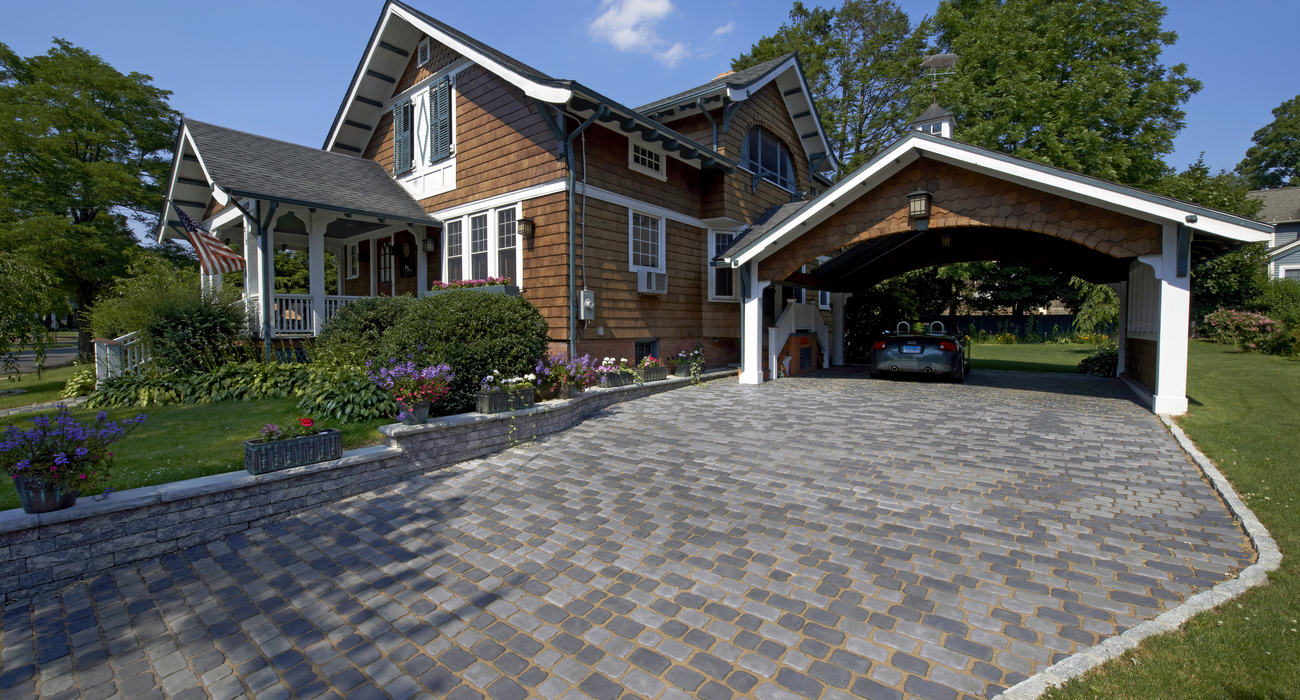
Snow-covered driveways and icy mornings are a reality for many Colorado homeowners. Between constant shoveling, slippery surfaces, and long-term concrete damage from freeze-thaw cycles, winter can take a serious toll on both your property and your time. Heated driveway systems offer a smart, modern solution that eliminates many of these seasonal headaches while adding long-term value to your home.
If you are considering this upgrade, consulting an experienced heated driveway contractor Colorado Springs early in the planning process can help you understand system options, installation requirements, and long-term performance expectations specific to Colorado’s climate.
In this complete guide, you’ll learn how heated driveway systems work, the difference between hydronic and electric systems, what installation involves, typical costs, and the return on investment for Colorado properties.
What Is a Heated Driveway System?
A heated driveway system is a snow-melting solution installed beneath your driveway surface. It uses built-in heating elements to warm the concrete or pavers just enough to prevent snow and ice accumulation. Instead of manually clearing snow or spreading chemical de-icers, the system does the work automatically.
In regions like Colorado Springs, where winter storms can arrive suddenly and temperatures fluctuate rapidly, heated driveways help prevent ice formation before it becomes hazardous. For homeowners looking to extend similar winter-ready features to other outdoor areas, working with a trusted Kidsgrove Patio Company can help ensure patios and paved spaces are designed to handle seasonal weather while remaining practical year-round.
Types of Heated Driveway Systems
There are two primary system types available: hydronic and electric. Both are effective, but they differ in structure, installation complexity, and operating costs.
Hydronic Systems
Hydronic systems circulate a heated mixture of water and antifreeze through flexible tubing embedded beneath the driveway. The liquid is warmed by a boiler and continuously pumped through the tubing network to maintain surface temperature.
Hydronic systems are typically recommended for larger driveways because they:
- Provide efficient heating for expansive surfaces
- Integrate well with existing boiler systems
- Offer lower operating costs over time in larger applications
However, the initial installation cost is usually higher due to the additional mechanical components required.
Electric Systems
Electric systems use heating cables or mats placed beneath the driveway surface. When powered, the cables generate heat that radiates upward to melt snow and ice.
Electric systems are often chosen for:
- Smaller driveways
- Targeted heating zones such as tire tracks
- Simpler installations with fewer mechanical parts
They generally have lower upfront installation complexity but may have higher operating costs depending on local electricity rates.
The Installation Process
Heated driveway systems are most cost-effective when installed during new construction or a full driveway replacement. The process typically includes site preparation, placement of heating elements, installation of sensors and controls, and finally pouring concrete or laying pavers.
Installing a heated driveway system is most cost-effective during new construction or a major driveway replacement. The process generally includes:
- Site preparation and excavation
- Placement of heating elements (tubing or electric cables)
- Installation of sensors and control systems
- Concrete pouring or paver installation
- System testing and activation
Modern systems often include automatic snow sensors that detect moisture and temperature changes. These sensors activate the system only when needed, improving efficiency and minimizing unnecessary energy use.
Proper system design is critical. Factors such as driveway slope, soil conditions, drainage, and exposure to wind all influence performance. Professional planning ensures consistent heating coverage and long-term durability.
How Much Does a Heated Driveway Cost?
The total cost depends on driveway size, system type, and whether it’s part of new construction or a retrofit. Hydronic systems generally cost more upfront due to boilers and piping infrastructure. Electric systems may cost less initially but can vary in operating expenses over time.
While the upfront investment can be significant, it’s important to consider long-term benefits rather than focusing only on installation costs.
Return on Investment for Colorado Homeowners
Heated driveway systems provide both tangible and intangible returns.
First, they reduce maintenance costs. Snow removal equipment, de-icing chemicals, and potential surface damage all contribute to long-term expenses. Heated systems minimize these issues.
Second, they enhance safety. Slippery driveways increase the risk of falls and vehicle accidents. A consistently clear surface reduces liability and protects family members and visitors.
Third, they help preserve the structural integrity of your driveway. By preventing moisture from freezing and expanding within the concrete, heated systems reduce cracking and surface deterioration caused by freeze-thaw cycles.
Finally, heated driveways can increase property value. In many Colorado neighborhoods, this feature is viewed as a premium upgrade that enhances curb appeal and buyer interest.
Is a Heated Driveway Right for You?
A heated driveway is especially beneficial if your property has a steep incline, experiences frequent snowfall, or requires constant winter maintenance. It is also ideal for homeowners who prioritize safety, convenience, and long-term durability.
By evaluating your property’s layout, energy sources, and winter exposure, you can determine whether a hydronic or electric system best suits your needs.
Final Thoughts
Heated driveway systems transform winter from a constant chore into a manageable season. With proper planning, professional installation, and the right system selection, Colorado homeowners can enjoy safer surfaces, reduced maintenance, and long-term protection for their investment.
When designed correctly, a heated driveway is more than a luxury feature—it is a practical solution built for Colorado living.