Weight Down, Fat Not? The Problem with “Skinny Fat”
You step on the scale and find that the number has dropped, but you look the same in the mirror. Even your clothes fit almost like before. It’s a common frustration, and you’re not alone.
It can be confusing and annoying, and you may wonder if the machine is faulty. The story is common for many who wish to cut kilos quickly without understanding the science of fat loss.
Dive in to understand how weight loss is different from fat loss, and what you can do to actually look slimmer.
How Weight Loss and Fat Loss are Different?
For a quick breakdown, weight loss is not the same as fat loss. When you say just “weight,” it includes everything like water, muscle, glycogen, or even that large pizza from last night.
What you’re actually after to remove is fat, and it’s a stubborn one to get rid of.
When you’re on a diet, your body first burns glycogen or stored carbs. Since glycogen holds water, it flushes it out, leading to water loss rather than fat loss.
Fat loss starts after the glycogen is used up. So, don’t celebrate an early win.
Most people get excited about losing some weight in just 1-2 weeks by eating less, but they’ve indeed just lost water weight, which doesn’t yield any visibly significant results.
The Skinny Weight Issue
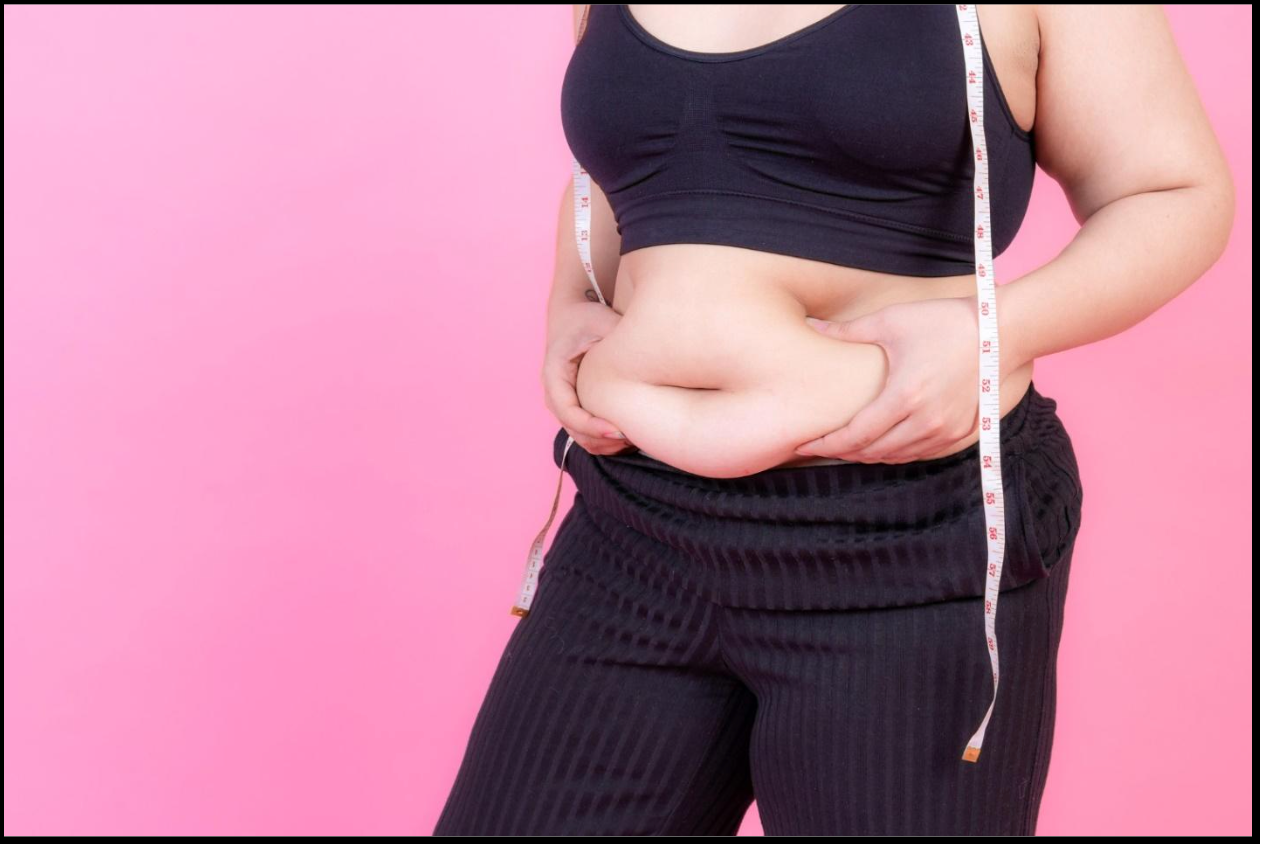
If you’ve lost significant weight, but still look like your old self, you could be having more skinny weight. It means that your weight is lower, but your body-fat percentage is high; muscle mass is usually low in such cases.
People with skinny fat may weigh the same as a muscular, low-fat person, but still look less toned and fluffier.
You become skinny fat when:
- You don’t eat enough: Starving yourself can do more harm than good. It can slow down metabolism and trick your body into thinking that the food supply is slow, so let’s protect fat.
- You’re too stressed: It triggers stress hormones to store body fat, especially around the belly region.
You lose muscle for energy instead of fat: If you do a lot of long cardio sessions without strength training, you’re likely to lose muscle and end up with flat arms and a flabby midsection. Add muscle-recovery BCAA shakes, along with balanced, high-protein, low-fat foods in the diet, to maintain muscle mass and prevent further fat accumulation.
How to Lose, Not Muscles?
In order to lose fat while still preserving your hard-earned muscles, it is through a combination of diet, strength training, stress management, etc., as explained below:
- Invest Time in Strength Training
Do strength exercises with dumbbells, resistance bands, and bodyweight about 3 to 4 times a week. This will build muscle as well as help you get in good shape. Pay attention to big complex workouts that train several muscles simultaneously, such as push-ups, lunges, rows, and squats. Before raising the load, start with smaller weights and work on your form. Progressive overload, which involves gradually increasing reps, sets, or weight, will eventually tighten your body, increase metabolism, and make daily chores seem easier.
- Consume Enough Protein
Protein is essential for building muscle and fuelling your body in a healthy way, without causing weight gain. It also helps burn fat and carbs primarily for energy. Eating adequate protein makes you feel satisfied for longer, which eventually lessens late-night urges and eating. Additionally, it keeps your skin, hair, and nails healthy, fixes small muscle rips, and aids in post-workout recovery. You may keep steady energy levels throughout the day by eating protein at all of your meals rather than just dinner.
- Take Balanced Meals
Now, you don’t need to exclude carbs and fats from your diet altogether. Remember that complex carbs are your friends for quick energy during a workout, and that healthy fats from nuts and seeds are essential for hormone production. Portion control and time are important; eat most carbohydrates during periods of physical activity and limit fats to make your meals full without slowing digestion.
- Rest Well and Manage Stress
When you feel well-rested and less stressed, cortisol levels drop, and your body gets out of survival mode. This makes it easier for your body to lose fat. Additionally, your hunger hormones work more regularly, which lowers the possibility of late-night sugar urges and overeating. Increased sleep improves happiness, recovery, and exercise performance, resulting in a positive feedback loop where making healthy choices feels more easy and organic rather than forced.
On top of these, you can also add fat burners to your routine to boost the results. They help curb cravings and burn fat for energy. Take them along with a healthy lifestyle for better results, instead of a standalone shortcut.
To Sum Up
Losing skinny fat can be tricky when the scale goes down, but the results aren’t very visible. Make shifts in your fitness routine by focusing on building muscle, eating more protein, and balancing cardio with strength training. To chase quicker results, you can also consult a fitness expert for additional supplements and training tips.
On top, stay consistent even when the results aren’t noticeable in the first couple of weeks, and soon you’ll be able to get in better shape.