Time and Transformation: How Personal Style Evolves Through the Years

Style is often perceived as something immediate, a reflection of current trends, moods, or environments. Yet, when viewed through a broader lens, it becomes clear that personal style is not formed overnight. It is shaped gradually, influenced by experience, evolving preferences, and a deeper understanding of identity.
Time plays a central role in this process. It refines choices, sharpens instincts, and reveals what feels authentic. For many men, grooming becomes one of the most visible expressions of this evolution, particularly as facial hair transitions from an afterthought into a defining feature.
Early Stages: Experimentation and Influence
In the early stages of adulthood, grooming tends to be exploratory. Influenced by peers, media, and cultural trends, men often experiment with different looks in search of something that resonates. Beards, mustaches, and clean-shaven styles are adopted and discarded with little permanence.
At this point, the focus is less on precision and more on discovery. Skincare routines may be minimal, and grooming decisions are often reactive rather than intentional. However, even this phase plays an important role, it establishes awareness and introduces the idea that appearance can be shaped.
Refinement: When Style Becomes Intentional
As time progresses, experimentation gives way to refinement. Men begin to recognize patterns in what suits them, certain facial hair styles, grooming routines, and aesthetic choices that feel consistent with their identity.
The mustache, in particular, has re-emerged as a refined and deliberate style choice. No longer confined to nostalgia or fleeting trends, it is now embraced as a subtle yet distinctive element of personal presentation. When shaped correctly, it can enhance facial symmetry and add character without overwhelming the overall look.
This stage is defined by attention to detail. Grooming becomes more structured, and the relationship between skincare and facial hair maintenance becomes more apparent. Healthy skin supports better hair growth, while consistent grooming enhances definition and balance.
When Time Reveals Limitations
Despite careful grooming and refined routines, some limitations become more noticeable over time. Uneven growth, sparse density, or gaps in facial hair can interrupt an otherwise polished appearance.
Unlike early experimentation, these challenges are not easily resolved through styling alone. They are often rooted in genetics, hormonal factors, or past skin conditions. As awareness grows, so does the desire for solutions that offer greater consistency.
This is where the concept of long-term investment in appearance begins to take shape. Rather than adapting to limitations, individuals start exploring ways to address them more directly.
Modern Solutions and the Concept of Permanence
Advancements in aesthetic techniques have introduced new possibilities for those seeking lasting improvements in facial hair. These solutions are not about changing identity, but about aligning outward appearance with internal perception.
Among the options gaining attention are procedures such as mustache transplant turkey, which are designed to enhance density and redefine natural growth patterns. Their appeal lies in their ability to create subtle, realistic results that integrate seamlessly over time. What makes these solutions particularly relevant in today’s context is their alignment with a broader shift toward permanence. In contrast to temporary fixes, they offer a foundation that supports long-term grooming consistency.
This reflects a deeper understanding of style, not as something that changes with every trend, but as something that evolves and stabilizes over time.
The Role of Skincare in Long-Term Results
Even as advanced solutions become more accessible, the importance of skincare remains unchanged. The condition of the skin directly influences both the success of treatments and the overall appearance of facial hair.
A well-maintained skincare routine supports healing, enhances texture, and ensures that results remain consistent. Hydration, gentle exfoliation, and protection against environmental stressors all contribute to a healthier foundation.
Over time, these habits become second nature. They are no longer separate from grooming but integrated into a broader approach to self-care, one that prioritizes longevity and sustainability.
Understanding the Science Behind Hair Growth
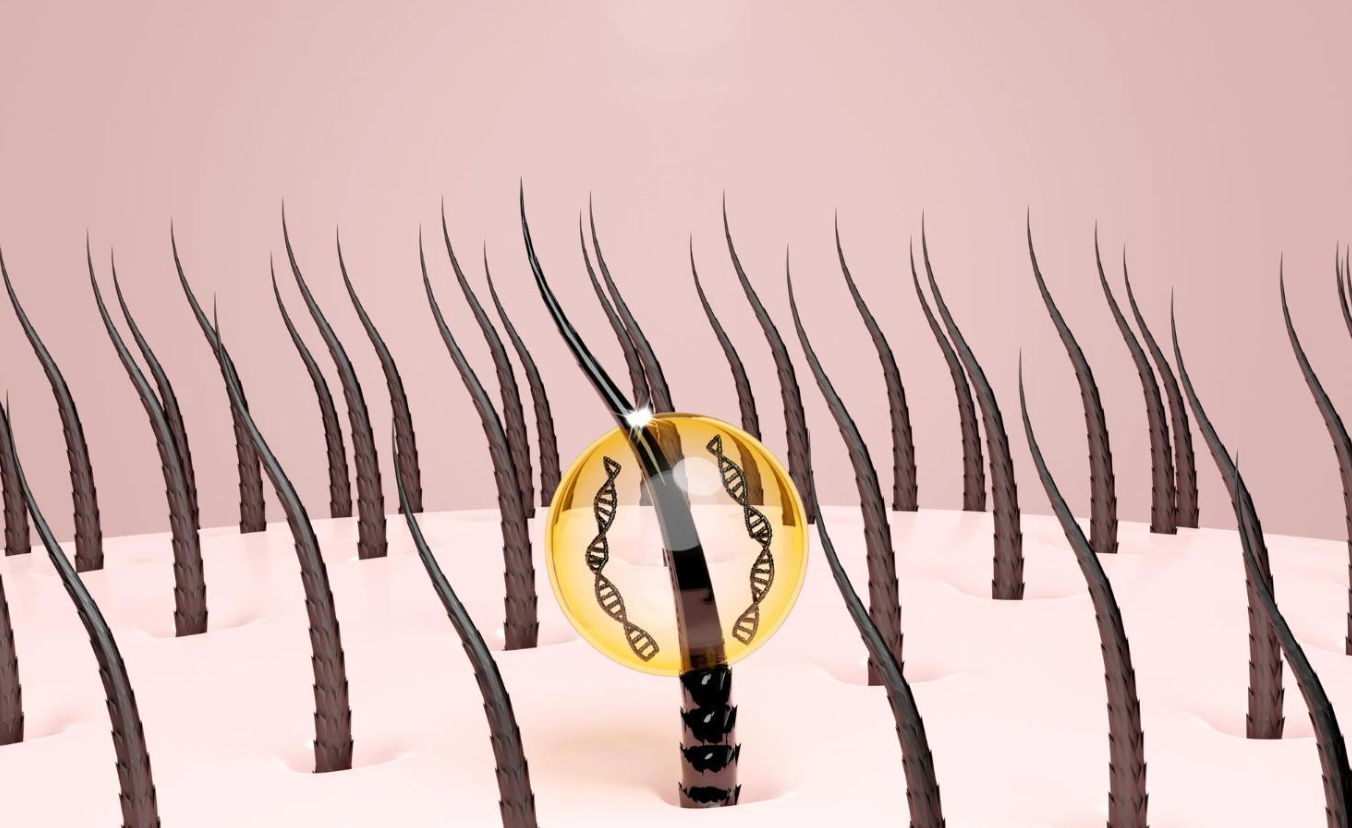
As interest in grooming deepens, so does the desire to understand the science behind it. Hair growth is not random; it is influenced by a combination of biological and environmental factors that interact in complex ways.
According to the National Institutes of Health, hair follicle behavior is regulated by genetic expression, hormonal activity, and external conditions such as stress and nutrition. Their research highlights that variations in density and growth patterns are often predetermined, which explains why some individuals experience persistent unevenness despite consistent care.
This perspective is important because it reframes expectations. Rather than viewing grooming challenges as failures, it encourages a more informed and realistic approach, one that considers both natural limitations and available solutions.
Style as a Reflection of Time
Ultimately, personal style is a record of time. It reflects where someone has been, what they have learned, and how they choose to present themselves in the present moment.
Grooming, in this context, becomes more than maintenance. It becomes a form of continuity, a way to carry forward refined choices while adapting to new insights. Whether through improved routines, evolving preferences, or advanced treatments, each decision contributes to a broader narrative of self-development.
The Future of Personal Refinement
As technology and knowledge continue to advance, the future of grooming will likely become even more personalized. Treatments will become more precise, products more targeted, and routines more efficient.
Yet, the core principle will remain the same: meaningful change takes time. Style is not built through quick adjustments, but through consistent, thoughtful evolution.
For those who approach grooming with this mindset, the goal is not perfection, but alignment. It is about ensuring that outward appearance reflects inner identity, refined, intentional, and shaped by time itself.