The Importance of Regular Eye Exams for Teens
Key Takeaways
- Regular eye exams are essential during adolescence, given the rapid physical growth and increased screen time.
- Common teen vision issues include myopia, astigmatism, and digital eye strain.
- Many vision problems develop gradually and may not be easily recognized without professional screening.
- Untreated vision issues can negatively impact academic performance, focus, and participation in activities.
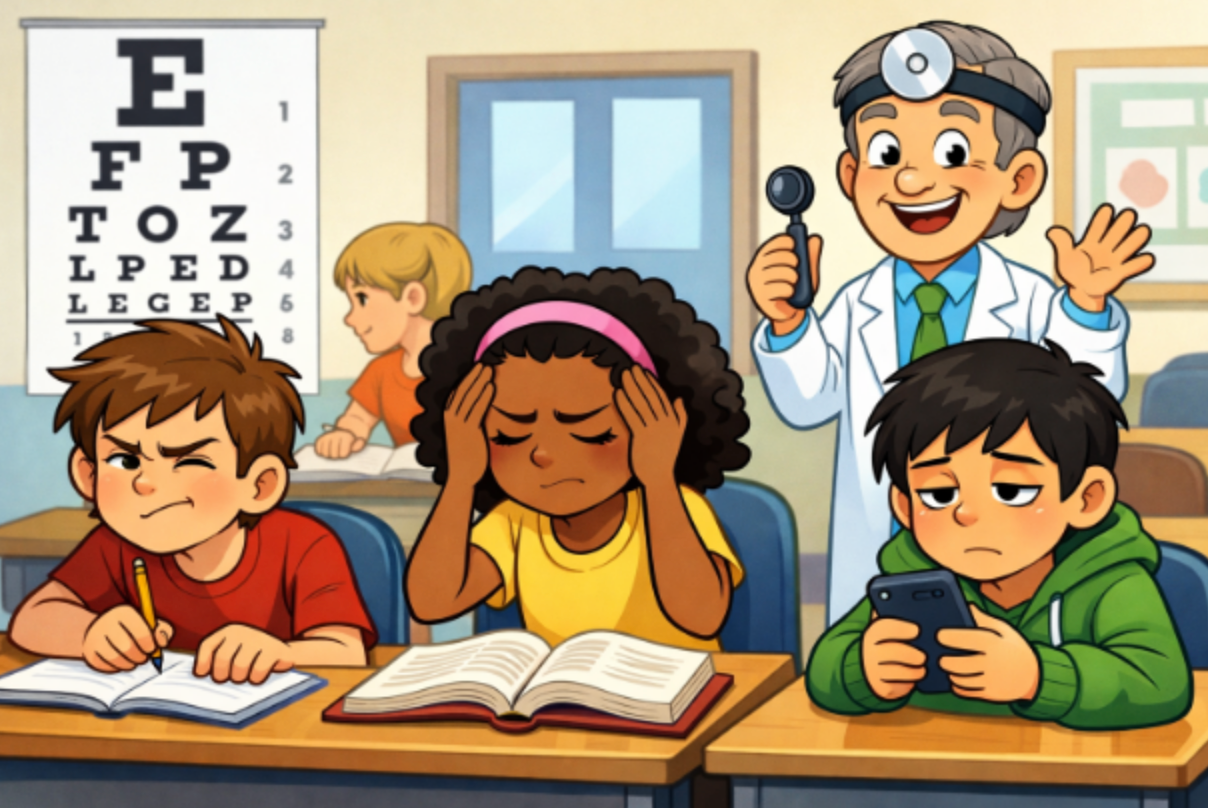
- Warning signs include headaches, squinting, difficulty seeing the board, and avoiding close-up tasks.
- Most experts recommend eye exams every two years, or annually for teens with risk factors or existing conditions.
- Early detection allows for effective treatment such as corrective lenses, vision therapy, or lifestyle adjustments.
Introduction
Adolescence is a time of profound transformation, spanning physical growth, emotional development, and evolving cognitive abilities. One area often overlooked during these years, however, is vision health. As teenagers navigate schoolwork, extracurriculars, and increased screen exposure, ensuring their eyes remain healthy is crucial. Reliable sources such as visionsteen.com emphasize the necessity of routine eye exams for teens, highlighting how early detection and intervention can address vision changes that might otherwise go unnoticed.
Regular eye exams during adolescence are more than just a precaution. They can have a substantial influence on a young person’s quality of life, impacting academic performance, social interactions, and self-confidence. Neglecting changes in vision can lead to challenges that affect everything from classroom learning to confident participation in sports and other activities.
Why Regular Eye Exams Are Essential for Teens
Teenagers are particularly prone to changes in vision due to rapid physical maturation and the ever-increasing use of digital devices. These factors can trigger or exacerbate common issues like nearsightedness (myopia). Beyond academic implications, untreated vision problems can hinder participation in hobbies, athletics, and essential daily activities. Consistent eye exams provide an opportunity for early diagnosis and tailored interventions, which are vital for maintaining uninterrupted development during these important years.
Furthermore, certain vision problems progress gradually, making them hard for teens and parents to spot. The professional expertise of an eye care specialist can bridge this gap, ensuring that minor symptoms do not progress to more serious complications.
Common Vision Problems in Adolescents
- Nearsightedness (Myopia): This is one of the most common conditions in adolescents. Teens with myopia struggle to see distant objects clearly, which can make classroom learning or seeing the board difficult and may also limit participation in activities like sports.
- Astigmatism: Astigmatism often causes both near and distant vision to appear blurry or distorted. This occurs because the cornea is irregularly shaped, causing light to focus improperly on the retina.
- Digital Eye Strain: Prolonged screen use is a growing concern for teens. Digital eye strain, also known as computer vision syndrome, can cause headaches, dry eyes, and difficulty focusing after extended periods of digital device usage.
Signs That Your Teen May Need an Eye Exam
Parents play a pivotal role in monitoring their teens’ vision health. Because adolescents may not always verbalize discomfort or difficulty, it is essential to look for subtle indicators that could suggest a visit to the eye doctor is needed.
- Frequent headaches or reports of eye strain after school or device use.
- Squinting to see objects or sitting too close to the TV or computer screen.
- Trouble seeing the board in class, which may manifest as falling grades or complaints about not being able to follow lessons.
- Avoidance of activities that require close focus, such as reading or doing homework.
The Impact of Vision on Academic Performance
Vision and learning are intricately connected. Reading, writing, and even participating in class discussions often rely on clear, comfortable vision. According to the American Academy of Ophthalmology, undetected vision issues are linked to struggles in school settings, affecting concentration, comprehension, and performance. Regular eye exams catch these issues early and provide solutions, such as prescription glasses, that can immediately improve a student’s ability to engage and excel in academic environments.
Recommended Frequency of Eye Exams for Teens
The American Optometric Association suggests comprehensive eye exams for children and teenagers at least every two years. However, if a teen is already experiencing vision issues or has a family history of eye problems, annual visits are recommended. This proactive approach helps track developmental shifts and provides timely treatment adjustments, ensuring ongoing vision health.
Factors that may warrant more frequent eye exams include chronic headaches, increased screen usage, pre-existing vision impairments, or recent changes in academic performance. Parents should not hesitate to book additional appointments if they notice rapid changes in their teen’s vision or behavior.
What to Expect During a Teen Eye Exam
A comprehensive teen eye exam is designed to assess not only vision clarity but also overall ocular health. The exam typically involves several key steps:
- Evaluation of visual acuity, which tests how clearly your teen can see both near and far objects.
- Assessment of eye alignment and movement to detect any muscular or coordination issues.
- Examination of the internal and external structures of the eyes to look for signs of disease or injury.
- Discuss with the optometrist any vision-related concerns or symptoms your teen may have noticed.
The insights gained from these assessments enable personalized recommendations, including prescription lenses, vision therapy, or advice on screen time habits.
Final Thoughts
Prioritizing regular eye exams during the teenage years is an investment in your child’s future. Early detection of vision problems lays the groundwork for academic achievement, self-esteem, and lifelong eye health. By remaining proactive about school-year appointments and watching for signs of vision changes, parents can help teens succeed in every aspect of life.