Steps a Roofing Specialist Takes During Wind Storm Restoration
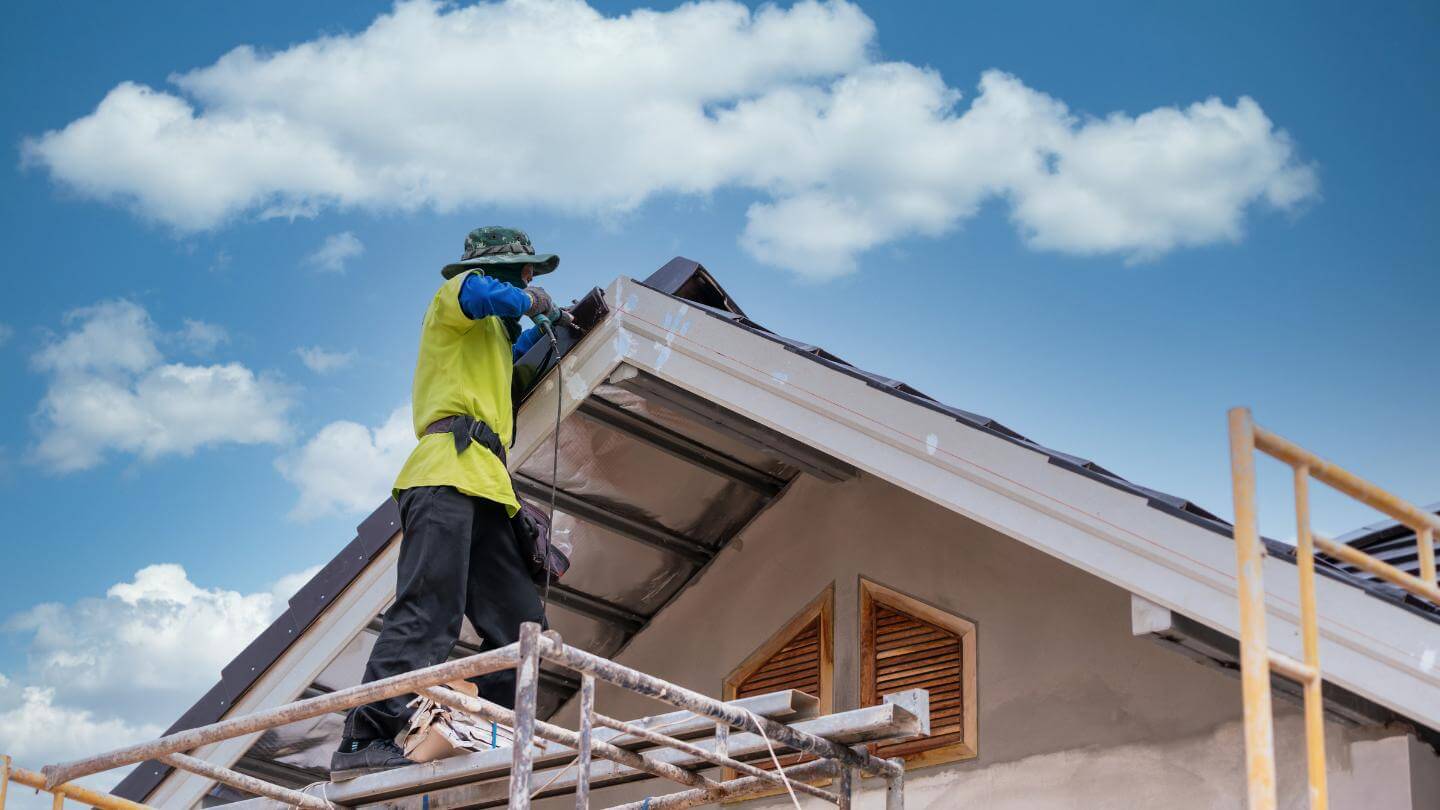
Severe wind events can leave shingles lifted, flashing torn apart, and vulnerable areas exposed to moisture. These issues create rapid deterioration that spreads into ceilings, insulation, and wall structures if left unmanaged. The aftermath of a severe storm can be overwhelming, making trained roofing specialists essential for protecting damaged buildings.
Professionals follow a detailed process to prevent additional problems while preparing a complete repair plan. Their experience helps determine the best solutions for storm restoration for wind damage without wasting time or overlooking critical trouble areas. The following steps explain how roofing specialists handle storm-related destruction with precision and efficiency.
Inspect Damage Across All Roof Sections
A specialist starts by examining the entire roofing structure for loose shingles, broken flashing, and missing materials. The inspection includes valleys, peaks, and edges where wind pressure frequently causes the most harm. Roofing experts check for punctured underlayment because these weak spots quickly become leaks.
Gutters and drainage systems are inspected as well, since debris carried by wind can create blockage. After collecting observations, the specialist documents every point of damage with photographs and notes. This careful analysis provides the foundation for accurate repair or replacement decisions.
Secure Exposed Areas to Stop Water Intrusion
Immediate protection becomes necessary once roof sections show open access to rainwater. A professional applies temporary coverings to vulnerable surfaces so moisture does not seep into building materials. This step may involve tarps, fasteners, or special sealants that prevent rainfall from spreading inside.
Securing these areas helps maintain structural integrity until permanent repairs begin. Preventing water intrusion avoids costly interior issues such as mold and weakened framing. Stabilization gives property owners time to complete the insurance process without risking greater destruction.
Document Roof Conditions for Claim Approval
Insurance claims require evidence that shows where the storm caused specific destruction. Roofing specialists collect organized documentation that supports the claim and demonstrates the need for restoration. Clear photos reveal exact areas where wind lifted shingles or cracked protective components.
Written descriptions explain how damage occurred and why immediate repair is required to preserve structural safety. This professional documentation helps minimize disputes concerning coverage and cost responsibility. Strong evidence speeds the approval process and reduces stressful delays.
Create a Detailed Plan for Long-Term Repair
Once temporary protection and documentation are secured, the specialist prepares a complete restoration plan. This plan includes roofing materials, labor needs, equipment, and estimated timelines. Every step outlines how each damaged area will be fixed, from replacing shingles to installing upgraded flashing.
Any sections of rotten or weakened wood are identified for removal and replacement. Specialists also recommend improvements that reinforce the roof against future storms. The comprehensive plan ensures the building gains protection that extends well beyond simple patchwork.
Perform Full Restoration to Reinforce the Structure
Permanent repair or replacement begins once insurance and approvals are finalized. Technicians install new materials, reseal joints, and reinforce areas prone to wind damage. Flashing is fitted tightly around vents, chimneys, and skylights for leak prevention.
High-quality products are secured in place to withstand strong gusts. Drainage areas are cleaned and adjusted to ensure water flows away from the roof. This completed restoration supports long-lasting durability and decreases the need for future emergency fixes.
Roof specialists rely on inspections and durable installation to restore wind-damaged structures. Many property owners rely on a storm restoration for wind damage service to rebuild safely and avoid expensive complications after severe weather. Skilled crews reinforce vulnerable areas so the roof can endure future high winds with greater stability. Their work helps preserve structural value and the long-term safety of the building.