Injury Recovery and Immune System Health
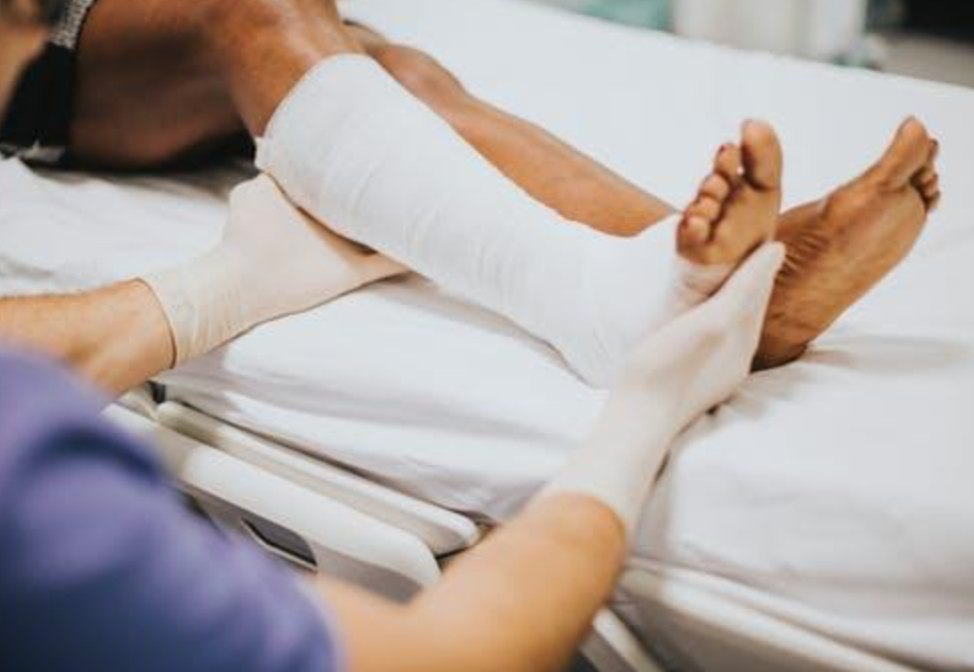
Injury recovery is not only about mending bones or closing wounds. Your immune system works like a project manager that coordinates cleanup, controls inflammation, and helps tissues rebuild. With the right habits, you can help that system do its job faster and better.
How Injuries and Immunity Interact
When you get hurt, your immune cells rush in to clear debris and guard against infection. That early response is helpful and needs to be balanced so swelling does not linger and slow healing. The body shifts toward rebuilding, laying down new tissue while dialing back inflammation.
Real life rarely feels this tidy because pain, stress, and disrupted routines can throw the system off. You may need guidance on legal and practical steps after an accident. Talking with a specialized accident attorney can reduce stress while you focus on recovery. Lower stress means steadier hormones and sleep, which support immune balance.
Sleep Is the Quiet Accelerator of Healing
Sleep is when your immune system does a lot of behind-the-scenes work. Deep sleep helps regulate inflammatory signals and supports the production of cells that fight infection. Miss those hours, and the system becomes noisy and less coordinated.
According to Harvard Health research, poor sleep is linked with higher levels of inflammatory markers that raise the risk for chronic disease. That same piece framed sleep as a simple lever you can pull at home, even when other parts of recovery feel out of your control. Aim for a consistent schedule, a cool dark room, and caffeine cutoffs to protect that nightly repair window.
Even short stretches of skimpy sleep can chip away at your natural defenses. You might notice more colds, slower wound settling, or extra soreness after therapy sessions. This can turn into a loop where discomfort reduces sleep, and reduced sleep increases discomfort.
Habits That Reduce Setbacks After Injury
Daily choices can either turn down or turn up inflammation. Smoking is one of the strongest amplifiers because it restricts blood flow, adds oxidative stress, and interferes with the bone and tissue repair cycle. If there is one lever to pull first, this is it.
Smoking is a modifiable risk factor that increases postoperative complications while impairing wound and bone healing. Cutting down is good, quitting is better, and pairing nicotine replacement with support can raise your odds. Reframe the goal as protecting the cells that are trying to rebuild you from the inside out.
When Care Teams Tap the Immune System
Modern research is looking at ways to steer immune cells directly after serious injuries. The idea is to reduce secondary damage and create a cleaner stage for healing. Much of this work points to a future where recovery protocols are more precise.
Engineered immune cells minimized damage after spinal cord injury in mice and helped protect neurons. That does not change what you should do today, but it shows why clinicians track inflammation closely after major trauma. The immune system is a target for smarter care, not just a background actor.
Everyday Recovery Playbook
You can support immune balance with small steps that add up. Think of these as guardrails that keep your system on a steady track while the body rebuilds. Use them to structure mornings, therapy days, and nights.
- Keep a regular sleep schedule and wind-down routine
- Eat protein with every meal to support tissue repair
- Hydrate across the day, not all at once at night
- Take movement snacks like short walks to pump fresh blood to healing tissue
- Practice box breathing or mindful minutes to trim stress spikes
- Set phone reminders for meds and rehab exercises
Nutrition, Movement, and Momentum
Nutrition gives your immune cells the raw materials they need. Colorful produce supports antioxidants, while protein feeds muscle repair and immune signaling. If pain blunts appetite, smaller frequent meals can keep nutrients flowing without feeling overwhelming.
Gentle movement helps, too. Short walks, guided range-of-motion work, or light therapy sessions can reduce stiffness and support lymph flow. Small daily inputs that your body can repeat.

Recovery is a season, not a sprint. Plan for plateaus, celebrate small wins, and keep your circle informed so they can help you stick to routines. If you track anything, make it sleep and daily steps since both reflect how your immune system is coping.
When medical teams give you new instructions, plug them into your routine like puzzle pieces. Keep questions handy for your next appointment so you do not guess under stress. Be patient with your body: it is doing complex work every hour you give it the chance.