How to Select the Right Miniature Circuit Breaker Based on Load and Fault Current?
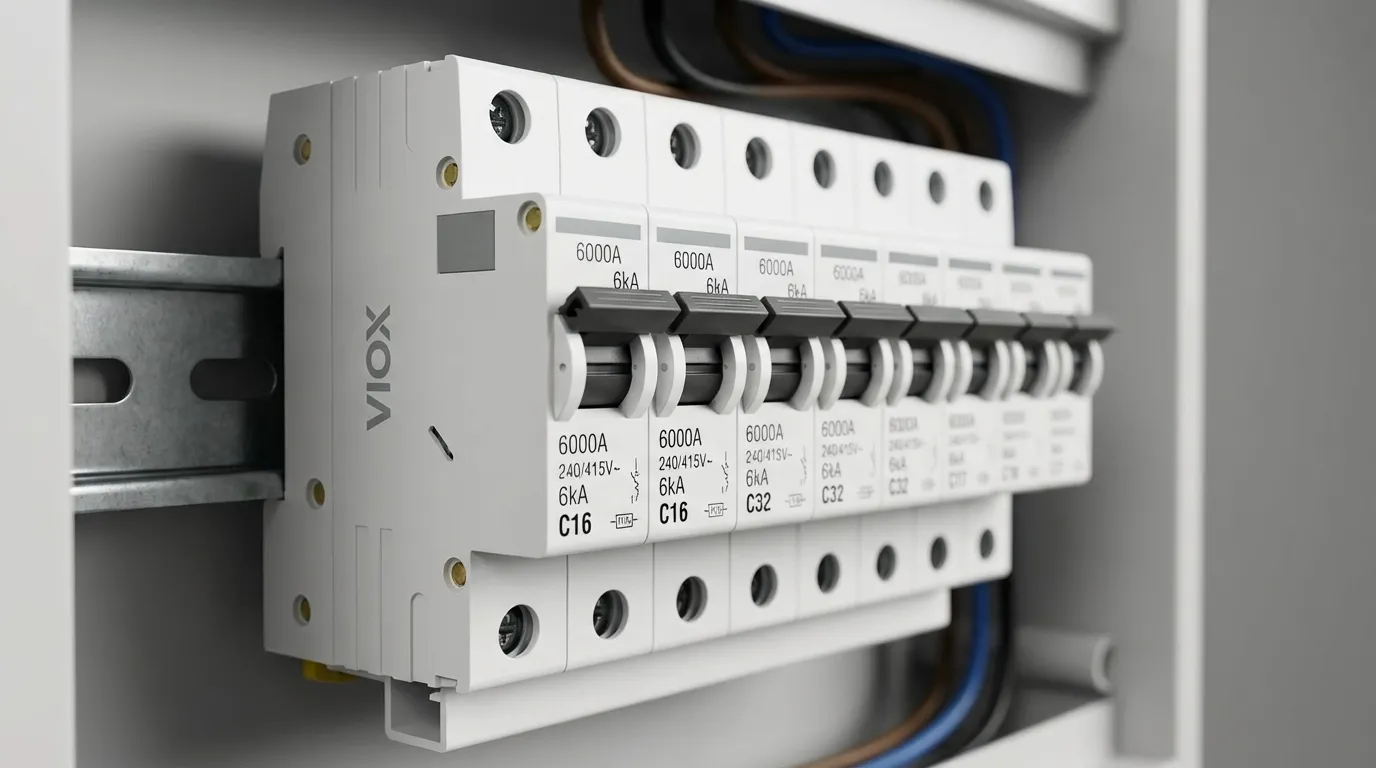
Electrical systems operate under constantly changing conditions, where stability depends on how effectively each component responds to variations in demand and system behavior. In many installations, issues arise when protective coordination is not aligned with actual circuit conditions, leading to either unnecessary interruptions or insufficient protection during abnormal events.
To address this, engineers follow structured selection practices that evaluate circuit characteristics before finalizing protective devices. One key consideration in this process is understanding how to select a miniature circuit breaker that accommodates varying load and fault current conditions in practical electrical systems.
Let’s explore the key factors involved in selecting a miniature circuit breaker.
Understanding Load Requirements
Load assessment is a fundamental aspect of electrical system design. A miniature circuit breaker must be selected to match the circuit’s expected operating conditions, ensuring reliable operation under normal use.
Electrical professionals evaluate connected equipment, usage patterns, and demand variations before determining appropriate ratings. Devices such as motors, heating systems, and industrial equipment introduce dynamic load characteristics that must be accounted for during planning.
By understanding these variations, engineers can employ protection devices that support consistent operation while reducing the risk of unnecessary interruptions.
Evaluating Fault Current Conditions
Fault current conditions represent abnormal but critical scenarios within any electrical network. During such events, prospective short-circuit current (PSCC) levels can rise sharply, requiring immediate interruption to maintain system safety.
To manage this, engineers determine prospective fault levels using system parameters such as transformer capacity, cable impedance, and network configuration. A miniature circuit breaker must be selected with sufficient breaking capacity to handle these conditions effectively. Proper evaluation ensures that the device can respond reliably during electrical faults without compromising system integrity or connected equipment.
Selection Based on Electrical Ratings and Trip Characteristics
Device selection depends on multiple technical parameters that must be considered together rather than in isolation when selecting a miniature circuit breaker. Rated current, voltage compatibility, and breaking capacity form the core selection criteria for any protective device.
In addition, tripping characteristics influence how the device responds under different load conditions. Depending on application needs, different trip curves, such as B, C, or D, are used to match the behavior of connected loads. This ensures appropriate response during both normal operation and transient conditions.
Environmental factors, panel design, and installation constraints also influence overall performance. When these elements are incorporated into the selection process, system reliability and operational stability are significantly enhanced.
Installation Practices and System Reliability
Correct installation is crucial to ensuring that protective devices function as intended within electrical systems. A miniature circuit breaker must be installed in accordance with manufacturer guidelines, with proper attention to wiring practices and connection integrity.
Factors such as terminal tightening, thermal conditions within enclosures, and circuit arrangement contribute to overall performance.
Even a correctly rated device may underperform if installation practices are not followed properly. Routine inspection and maintenance further support long-term reliability by helping to identify potential issues early in the system lifecycle.
Strengthening System Design Through Informed Selection
Effective circuit protection involves selecting the right device and ensuring it integrates seamlessly into the overall system design while maintaining reliable performance under changing conditions. When protection elements are correctly aligned with system behavior, they support stable operation, reduce unnecessary interruptions, and improve coordination across connected circuits.
A structured approach to selection, installation, and periodic review further helps maintain system integrity and ensures protection remains effective as loads and configurations evolve.
Collaborating with a reputable electrical brand adds value by providing application-specific components, consistent quality, and technical expertise, enabling accurate decision-making in complex installations.
By adopting this approach, professionals can strengthen system resilience, improve operational control, and ensure dependable performance across diverse electrical environments.