How to Safely Recover From Common Upper Body Fitness Injuries
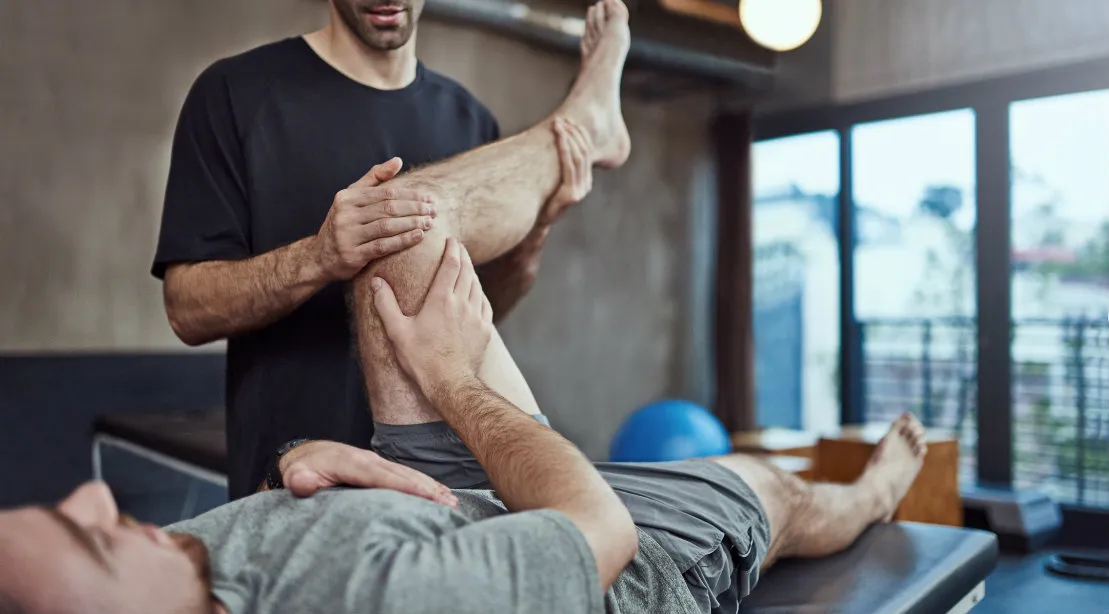
Building a strong upper body through weightlifting and resistance training is a cornerstone of many fitness routines. However, the pursuit of better physical health can sometimes lead to unintended setbacks. Between 2013 and 2022, the annual incidence of exercise-related head and facial injuries increased by nearly a third, underscoring the growing risks active individuals face in the gym. In emergency department visits for workout-related upper body trauma, neck injuries alone account for over 20 percent of cases. Understanding how to appropriately manage and rehabilitate these issues is vital for maintaining a balanced, active lifestyle without suffering long-term consequences.
Understanding the Damage: Strains Versus Sprains
The first step in any recovery journey is accurately identifying the type of soft tissue damage you have sustained. Research indicates that the vast majority of gym injuries occur when using free weights like dumbbells, kettlebells, or barbells, with many upper body issues accumulating slowly over weeks of poor biomechanics or sudden overexertion.
When dealing with these overuse injuries, it is important to differentiate between the two most common culprits. As noted by the Mayo Clinic, the key difference is that a strain involves an injury to a muscle or tendon, while a sprain injures a ligament. For both of these issues, the initial line of defence is usually the P.R.I.C.E. method (protection, rest, ice, compression, and elevation). This standard first-aid protocol helps to minimise early swelling, reduces local inflammation, and protects the vulnerable joint from further acute damage during the critical first 48 hours following the injury.
Navigating the Recovery Timeline
While minor soft tissue damage might respond well to a few days of rest and ice, moderate to severe injuries require a much more structured timeline. Modern physical therapy for upper body injuries heavily emphasises breaking the fear-avoidance cycle. This means shifting patients away from extended periods of complete bed rest and moving towards early active mobilisation, which prevents severe muscle weakness and long-term joint stiffness.
For injuries affecting the cervical spine, it is especially important to seek professional guidance rather than relying entirely on home remedies or online advice. Securing a targeted treatment for neck sprain is highly recommended when dealing with persistent discomfort, radiating pain, or a limited range of motion. Clinical data highlights that moderate neck sprains typically require four to six professional physiotherapy sessions, spread over a four- to six-week period, to fully resolve and restore pain-free function.
Holistic Approaches and Active Rehabilitation
Once the acute phase of an injury has passed, the focus shifts to restoring mobility and rebuilding functional strength. This transition is where a holistic approach to physical wellbeing becomes incredibly beneficial for long-term health. As we often explore in our broader discussions on health, addressing bodily tension requires looking at both physical symptoms and daily lifestyle factors, including posture and stress levels.
Integrative recovery programmes now blend traditional clinical modalities with functional training techniques to ensure a comprehensive healing process. Some of the most effective active rehabilitation strategies include:
- Targeted Myofascial Release: Applying this therapy to the neck and trapezius muscles has been shown to significantly increase tissue oxygenation and improve blood flow after just six weeks of consistent care.
- Dynamic Indoor Rowing: Using a rowing machine provides fluid, low-impact motion that stimulates blood circulation across the entire upper body without placing heavy stress on healing shoulder and neck ligaments.
- Cognitive Behavioural Therapy: Because painful upper-body injuries often cause anxiety around movement, incorporating cognitive techniques helps patients mentally overcome the fear of re-injury and build confidence in their physical capabilities.
- Yoga-Inspired Stretching: Blending clinical mobility work with foundational yoga postures helps patients safely transition from medical rehabilitation back to heavy weightlifting, dynamic sports, or demanding daily routines.
The Future of Physiotherapy and Injury Prevention
The demand for comprehensive rehabilitation is growing rapidly, particularly in regions like Thailand where a national cohort study found that over 21 percent of adults report experiencing at least one injury incident annually. Neck, lower back, and shoulder issues remain the most frequently treated musculoskeletal complaints across all demographics. Consequently, there has been a significant boom in newly registered physical therapy clinics offering science-backed treatments like electrotherapy, ultrasound tissue stimulation, and advanced strength restoration.
Leading physiotherapists are also utilising advanced diagnostic tools, such as handheld goniometry and motion-capture software, to accurately measure range of motion deficits early in the recovery process. By relying on concrete data rather than guesswork, professionals can craft highly tailored programmes that address the specific biomechanical faults that led to the injury in the first place.
Ultimately, overcoming an upper body fitness injury is about much more than simply waiting for the pain to subside. By understanding the physiological differences in soft tissue damage, adopting active mobilisation techniques early on, and knowing when to seek expert clinical care, you can safely return to your favourite physical activities stronger and more resilient than before.