Holistic Recovery: Embracing Mind, Body, and Spirit for Lasting Healing
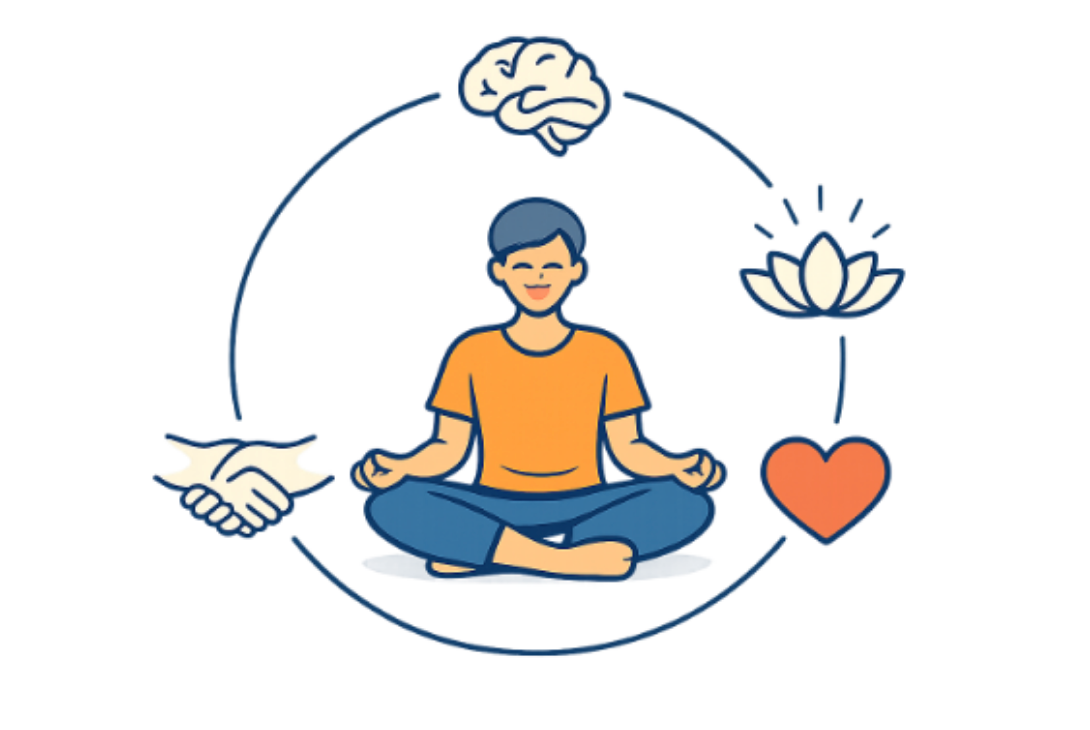
Table of Contents
- Understanding Holistic Recovery
- Mindfulness and Meditation
- Physical Health and Nutrition
- Spirituality and Purpose
- Community and Social Support
- Integrating Traditional and Holistic Methods
- Real-Life Success Stories
- Conclusion
Recovery from addiction is a journey that requires more than abstaining from substances. True healing comes from treating the individual as a whole, considering mental, physical, and spiritual well-being. As the demand for more comprehensive and compassionate treatment grows, many are seeking resources such as Drug and Alcohol Rehab in New Jersey that approach recovery from multiple angles and support lasting change.
The process of healing lays a foundation for personal growth, healthier relationships, and a renewed sense of purpose. By addressing all aspects of well-being, holistic recovery programs empower individuals to find balance and meaning as they move forward and rebuild their lives.
Understanding Holistic Recovery
Holistic recovery means looking at the person as a whole and not just trying to treat the symptoms of addiction. This approach includes addressing the mind, body, spirit, and emotions so that every part of a person’s life is supported. By connecting these dimensions, holistic recovery recognizes the unique and interconnected challenges faced by those overcoming addiction, and it aims for genuine transformation instead of temporary change.
Research has shown that recovery success improves when methodologies encourage self-awareness, emotional regulation, and lifestyle changes. Holistic recovery aims to bridge gaps sometimes left by more traditional treatment programs, and it gives people tools that can benefit them throughout their lives.
Mindfulness and Meditation
Practices like mindfulness and meditation can significantly enhance the recovery journey. Being present in the moment helps reduce the impact of cravings and negative emotions. Mindfulness-Oriented Recovery Enhancement (MORE), for example, has shown measurable benefits in reducing cravings for opioids and improving an individual’s response to stress and natural rewards, as highlighted in the Journal of the American Medical Association.
Regular meditation boosts self-awareness and emotional balance, allowing individuals to observe thoughts without judgment. This self-observation can provide valuable space between difficult emotions and impulsive actions, helping those in recovery manage triggers more effectively and promoting a calmer mindset.
Physical Health and Nutrition
Physical health is critical to holistic recovery. Substance use can take a heavy toll on the body. Introducing movement therapies, exercise routines, and a balanced diet helps the body heal and stabilize energy levels. Programs that combine nutrition with physical activity, such as the wellness track implemented by Right Path Recovery, demonstrate how an integrated approach can promote not only sobriety but also overall vitality and well-being.
A nutritious diet replenishes depleted nutrients and supports neurotransmitter function, which impacts mood and mental clarity. Regular exercise has been linked to lower relapse rates due to increased endorphin production and improved sleep, making physical health a cornerstone of successful recovery.
Spirituality and Purpose
Many holistic recovery programs integrate elements of spirituality and encourage individuals to connect with a sense of meaning. This does not necessarily mean religious practices, though for some people, faith-based community engagement provides important support. Spiritual exploration might also include activities like yoga, nature walks, or creative arts. Initiatives such as those led by Health Secretary Robert F. Kennedy Jr. show that faith-based organizations can play a powerful role in inspiring hope and addressing the deeper spiritual roots of addiction.
Reconnecting with one’s sense of purpose also helps anchor the recovery path. Many people find that service, volunteering, or participating in community projects can reinforce feelings of self-worth and direction.
Community and Social Support
Recovery flourishes in the context of supportive relationships and connected communities. Peer-led groups, support meetings, and creative workshops help reduce isolation and foster accountability. As an example, HoliHub in Denver has built a reputation for providing accessible recovery programs rooted in compassion and creativity, which not only help individuals but also benefit entire communities by creating inclusive spaces for healing and growth.
Connection with others permits sharing of experiences, encouragement, and wisdom. Social support can come from family, friends, mentors, or even online recovery communities that allow people to build bonds and navigate setbacks together.
Integrating Traditional and Holistic Methods
The most effective recovery approaches often blend traditional evidence-based therapies, such as counseling and medication-assisted treatment, with holistic methods like yoga, nutrition, or acupuncture. Organizations like the Balanced Recovery Center in East Longmeadow employ this integrated model to treat the mind, body, and soul, promoting sustained recovery and comprehensive health. Western Mass News recently highlighted this innovative approach in their coverage.
By combining proven medical and therapeutic treatments with personalized holistic care, recovery centers are finding greater success in addressing the diverse needs of individuals seeking freedom from addiction.
Real-Life Success Stories
Holistic recovery stories offer inspiration and validation for those considering a whole-person approach. At the Friendship House in San Francisco, Native healing practices, music therapy, and ceremonial dances are woven into addiction treatment plans to honor cultural identities while healing. These culturally specific approaches have received support and recognition, especially since state programs began to cover traditional Native healing practices.
Such real-life success stories illustrate that when body, mind, and spirit are nurtured together, individuals can achieve deeper and more enduring recovery outcomes.
Conclusion
Embracing holistic approaches to addiction recovery helps address the complex and interconnected challenges of healing from substance use. By weaving together mindfulness, physical care, spirituality, and community support, holistic recovery empowers individuals to build resilience, rediscover purpose, and experience lifelong growth. No matter where someone is on their recovery path, treating the whole person offers an inclusive and compassionate framework for transformation.