How a Vehicle Tracking System Works Behind the Scenes

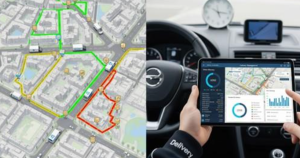
The majority of managers work with tracking systems via dashboards and mobile applications, yet only a very few pay attention to what transpires behind the interface. The map update and status alert are delivered by a complex network of devices, data streams, and software working in tandem to deliver relevant and accurate information, which is up to the second. It is sufficient to understand half the behind-the-scenes mechanics of these systems to make businesses respect the reliability and power of these kinds of systems.
The companies can also improve their use of tracking technology by having awareness of how it works. When fleet teams have an idea of what data is being gathered, the flow of the data in the system, and how it turns into actionable insight, they are able to make their operations more efficient. Such awareness makes the decision-making process more effective, imposes greater control, and facilitates the daily workflow.
How Tracking Technology Collects and Delivers Accurate Data
A tracking platform does not depend on the use of a single tool. Rather, it applies a synchronized network of hardware, signals, and software actions that will seize vehicle information and transform it into valuable information. The individual components are easier to understand, thus being able to appreciate the reason behind the so accurate and dependable system.
The core components include:
- GPS satellites that identify the actual position of the vehicle a number of times each second.
- Onboard tracking hardware, to which data about speed, movement, and engine status are collected.
- Cellular or wireless networks transmitting data safely between the vehicle and the cloud.
- Processing systems are stored on clouds to organize and prepare the data to be displayed.
These technologies work together to ensure that the insights they offer to the managers are right, timely, and actionable. It is this level of coordination that enables fleets to perform with a sense of confidence and make informed changes throughout the day.
What a Tracking System Does Behind the Scenes
Real-Time Data Collection Inside the Vehicle
Vehicle tracking involves a small gadget that is directly connected to the vehicle and the process happens in the background without being noticed. This device interprets a signal of the incoming GPS and calculates the movement in real time, and captures essential performance information as the car accelerates, brakes, or traverses a complex route. This has been made possible by continuously collecting data which ensures all the moments of the journey are captured in the right way.
Continuous Transmission to Secure Servers
The data obtained is then sent by wireless networks to the secure cloud servers. These messages are fast and enhanced and managers can watch updates in a matter of seconds. When one network is weak, then the device will automatically change to the other to assure continuity.
Processing, Organizing, and Displaying Information
The uncooked data is classified, processed and converted into the maps, notifications, and reports visible to the managers in the cloud. What seems easy on the screen is the culmination of a thousand and a thousand datapoints being worked on in real time.
Improving Fleet Efficiency Through Better System Awareness
Knowledge of the tracking systems mechanism adds value to the day-to-day activities. This means that the managers are able to make sure decisions that are caused by time planning and make route changes without fear when they are aware that data is updated every few seconds. This minimizes speculation, enhances accuracy of time and makes sure that jobs remain timely even when unforeseen circumstances strike.
Historical data can also be trusted more by the teams. Due to constant verification and updating of information, reports on past trips, idle time, and driving habits become effective means of coaching drivers, route planning, and daily operation optimization. This in the long run gives rise to better work flows and efficiency.
Enhancing Safety, Security, and Long-Term Strategy
The fleet safety is also enhanced by the https://timelapsemagazine.com/how-to-build-a-safer-home-entry-in-just-a-few-steps/back-of-scene tracking processes. Continuous collection of data enables the systems to alert behavior potentially resulting to risk, like driving too fast or braking harshly. By making correct and timely alerts to managers, they are able to deal with unsafe habits early. This will result in a safer working environment and also minimize road incidents.
Security improves as well. Live tracking enables timely reaction to illegal movement or possible theft. Frequent review of historical logs can be conducted to ensure the activity, secure drivers, and facilitate the investigation in case of necessity. Long-term planning In addition to the short-term gains, the information recorded by the tracking technology is an important part of long-term planning since it demonstrates usage, performance, and vehicle health trends.
Conclusion
A car tracking system is much orchestrated than the plain interface that most users are exposed to. Such an advanced mechanism of data collection, transmission and interpretation is behind every update that keeps the fleets informed and connected.
The knowledge of how these systems operate gives the businesses the power to utilize them in a better way, enhance decision-making and establish safer and more efficient systems. With the ever-changing transportation requirements, businesses that utilize tracking technology to their full capacity will have an undeniable performance, accountability and succinct fleet success.