Gifts for the Developer Who Says They Want Nothing
“Honestly, I don’t need anything.” Every developer says it. Every single one is lying, or at least not telling you the whole truth. What they mean is: I don’t want another novelty mug, and I don’t trust you to pick tech gear.
Both are fair. So don’t buy them a mug and don’t buy them hardware unless they’ve sent you a link. Here’s what to get instead, sorted roughly by price.
Under $30
A shirt with a joke they’ll have to explain
There’s a specific joy in wearing something that only 5% of people understand. A tee that says “There’s no place like 127.0.0.1” is invisible to most people and hilarious to the right ones. Developers wear tees constantly — remote work turned the graphic tee into a uniform — so you’re buying something with a genuine usage rate.
The trick is matching the shirt to their actual stack or interests, not “programming” in general. A Rust dev and a front-end designer live in different worlds. Browse a dedicated store rather than a generic marketplace; the IT and science sections at a shop like Geeksoutfit’s geek shirts catalog are sorted by theme, which makes it far easier to find something specific — a Commodore 64 jersey for the retro-computing person, a Pluto joke for the space nerd — instead of the millionth “I’m a programmer, I don’t fix computers” design.
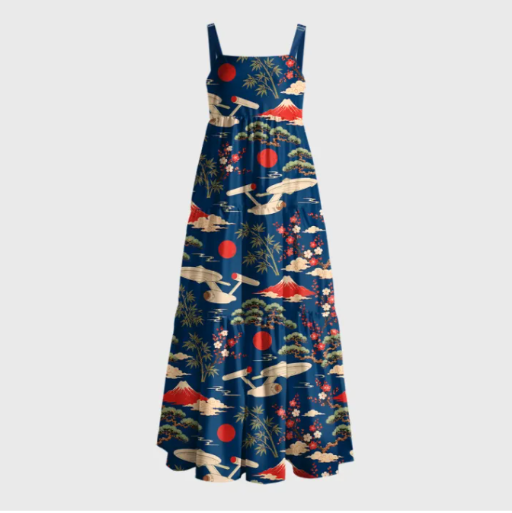
Buying for a woman on the team who’s said she never wears tees? The same store carries geek maxi dreses with all-over sci-fi prints, which land far better than another unisex shirt.
A good desk mat
Not a mouse pad. A desk mat — the big fabric ones that cover the whole work surface. Around $20–$25, and they’ll use it eight hours a day. Go dark and plain unless you know their aesthetic.
Sticky notes and a decent notebook
Boring? Slightly. Used constantly? Absolutely. Most developers still sketch architecture on paper before touching a keyboard. A dot-grid notebook and a stack of sticky notes is a gift that disappears into daily life, which is the highest compliment a gift can get.
$30 to $75
A cable management kit
Nobody buys this for themselves because it feels like admitting defeat. Magnetic cable clips, a couple of velcro rolls, an under-desk tray. Wrap it with a note that says “for the spaghetti behind your monitor.” They’ll pretend to be offended and then use every piece.
A hoodie that isn’t from a conference
Conference hoodies are free, ill-fitting, and covered in sponsor logos. A properly heavy hoodie in a neutral color, or a washed-vintage style one with a subtle print, is a real upgrade.
A board game they’ve mentioned once
Listen for it. Developers tend to name-drop games in passing — “we played this thing called Wingspan at Mark’s” — and forget they said it. Write it down. Buy it three months later.
$75 to $150
Mechanical keyboard accessories, not the keyboard
Buying the keyboard is a trap. Keyboard people have opinions about switches you cannot possibly predict. But keycap sets, a wrist rest, a coiled cable in their favorite color? Those are safe, and they signal you know what they’re into.
A year of something they’d never pay for
A subscription to a paid newsletter, a course platform, or a tool they’ve griped about not having. This one requires a bit of research, but the payoff is high because it’s the kind of thing people talk themselves out of buying.
What About Experiences?
Escape rooms, arcade bars, and retro gaming cafés all work well if the developer in question is even slightly social. If they’re the type who’d rather stay in, a delivery credit for their favorite takeout spot on a Friday night is unglamorous and deeply appreciated.
Things to Avoid
- “Funny” mugs. They have six. All from previous gift-givers who read a listicle.
- Generic tech gadgets. The USB-powered mini fridge. The desk vacuum. They will sit in a drawer.
- Anything that requires setup they didn’t ask for. Smart bulbs are great if they want smart bulbs. If they don’t, you’ve assigned them a weekend project.
- Books about productivity. Unless they asked. It reads as a hint.
How Do You Figure Out Which Gift Is Right?
Ask three questions and you’ll narrow it fast. What do they wear on a normal Tuesday? What do they complain about at their desk? What did they get excited about last time you talked, even for thirty seconds?
The answers tend to point somewhere. If they wear tees and complain about cable clutter, you’ve got two solid options already. If they light up talking about a game or a show, the shirt path gets very specific very quickly.
The Actual Point
A developer who says they want nothing usually means they want something small, useful, and specific to them — not expensive and not generic. A $25 shirt that nails their exact niche beats a $150 gadget they’ll never unbox. Spend the effort on figuring out the niche. The price tag matters far less than the aim.