Energy in Transition: Do Solar Farms Damage Soil and How Can Oil and Gas Operations Software Drive a Cleaner Future?
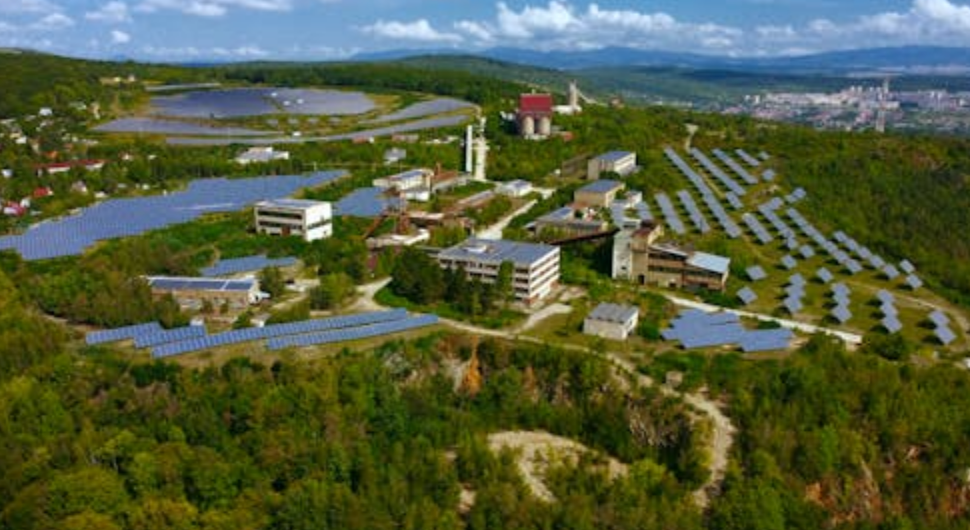
The global energy landscape stands at a critical juncture where renewable ambitions meet operational realities. As solar farms expand across agricultural regions, questions emerge about their impact on soil health and ecosystem balance. Simultaneously, the oil and gas sector deploys sophisticated software systems to optimize operations and minimize environmental footprints. These parallel developments reveal a complex narrative about how traditional and renewable energy sources might coexist, compete, or collaborate in shaping a sustainable future.
Understanding the Global Shift Toward Cleaner and More Efficient Energy Systems
As nations confront the escalating consequences of climate change and dwindling fossil fuel reserves, the global energy landscape is undergoing a fundamental shift.
Governments and industries are accelerating investments in renewable energy infrastructure, particularly solar and wind power, to reduce carbon emissions and enhance energy security. This change extends beyond merely replacing fossil fuels with renewables; it requires thorough modernization of energy systems, including grid infrastructure, storage technologies, and operational frameworks.
Traditional oil and gas companies are increasingly diversifying their portfolios, integrating renewable projects alongside conventional operations.
Advanced software solutions now enable these companies to optimize resource allocation, monitor environmental impacts, and streamline the change process. This technological integration proves essential for managing the complexity of operating dual energy portfolios while maintaining efficiency and minimizing ecological footprints.
Examining Whether Solar Farms Damage the Soil and Local Ecosystems
How do large-scale solar installations affect the ground beneath them, and whether solar farms damage the soil? Research indicates mixed outcomes depending on implementation methods. Properly designed solar farms can actually benefit soil health by reducing erosion, maintaining vegetation cover, and decreasing compaction from agricultural machinery.
The shade from panels retains soil moisture and creates microclimates supporting diverse plant species. However, poorly planned installations pose risks. Heavy construction equipment compacts soil, disrupting natural drainage patterns. Complete vegetation removal eliminates root systems that prevent erosion and provide habitat.
Impenetrable surfaces alter water infiltration rates, potentially causing runoff issues. The key difference lies in site management practices. Installations incorporating native vegetation, minimizing ground disturbance, and maintaining adequate panel spacing demonstrate minimal ecological harm. Strategic planning transforms potential environmental liabilities into opportunities for land restoration and biodiversity enhancement.
Environmental Benefits and Trade-Offs of Large-Scale Solar Projects
Large-scale solar projects deliver substantial carbon emission reductions while simultaneously introducing complex ecological considerations. These installations displace fossil fuel generation, preventing millions of tons of greenhouse gases annually. A single utility-scale solar farm can offset emissions equivalent to removing thousands of vehicles from roadways.
However, trade-offs exist. Construction requires significant land conversion, potentially fragmenting wildlife habitats and altering hydrological patterns. Vegetation removal and soil compaction during installation can trigger erosion and reduce biodiversity. Native species may lose critical foraging grounds.
Mitigation strategies help balance these impacts. Pollinator-friendly plantings beneath panels support local ecosystems while maintaining energy production. Proper site selection avoids sensitive habitats. Elevated panel designs permit vegetation growth and wildlife movement. Strategic planning transforms solar farms from ecological liabilities into dual-purpose landscapes supporting both renewable energy generation and environmental restoration.
Best Practices for Sustainable Land Use in Renewable Energy Development
Successful renewable energy development requires systematic evaluation of land characteristics before project initiation. Developers should prioritize degraded or contaminated sites over prime agricultural land, reducing competition for food production.
Native vegetation preservation beneath and around solar arrays maintains soil structure and supports local ecosystems. Implementing sheep grazing or pollinator-friendly plantings creates dual-use opportunities that enhance biodiversity while generating clean energy.
Proper erosion control measures, including minimal grading and strategic drainage systems, protect soil integrity during construction and operation. Regular soil monitoring throughout project lifecycles enables adaptive management strategies.
Decommissioning plans must include topsoil restoration and revegetation protocols. Integration of oil and gas operations software allows tracking of environmental metrics across multiple sites, ensuring compliance with sustainability standards while optimizing land use efficiency throughout renewable energy portfolios.
How Oil and Gas Operations Software Improves Efficiency and Reduces Emissions
Modern oil and gas operations software transforms traditional extraction processes through real-time data analytics and automated monitoring systems.
These platforms optimize drilling parameters, reducing unnecessary energy consumption and minimizing methane leaks through continuous equipment surveillance. Predictive maintenance algorithms identify potential failures before they occur, preventing costly downtime and environmental incidents.
Advanced software integrates production data across multiple wells, enabling operators to adjust extraction rates for maximum efficiency while reducing flaring and venting.
Machine learning models analyze geological formations to optimize well placement, decreasing the number of required drilling operations. Digital twins simulate operational scenarios, allowing companies to test emission reduction strategies without physical implementation risks.
Cloud-based platforms facilitate regulatory compliance by automatically tracking emissions data and generating required reports, ensuring transparency and accountability in environmental performance metrics.
Integrating Traditional Energy Systems With Modern Digital Technologies
While software innovations optimize individual operations, the broader energy industry faces the challenge of retrofitting decades-old infrastructure with contemporary digital capabilities. Legacy systems in oil and gas facilities often lack interoperability with modern platforms, creating data silos that hinder thorough analysis.
Integration requires middleware solutions that bridge analog sensors with cloud-based analytics, enabling real-time monitoring across entire supply chains. Successful digital transformation demands phased implementation strategies. Companies must prioritize high-impact areas like predictive maintenance and emissions tracking while maintaining operational continuity.
API-driven architectures facilitate gradual modernization without complete system overhauls. This integration extends beyond fossil fuels. As renewable energy scales up, hybrid grids require sophisticated software to balance intermittent solar and wind generation with traditional baseload power. Digital twins and machine learning algorithms optimize energy distribution across diversified portfolios.
Balancing Renewable Expansion With Responsible Resource Management
As solar installations proliferate across agricultural regions, energy developers confront a paradox: renewable infrastructure designed to protect the environment can degrade the very land it occupies. Soil compaction from heavy equipment, altered drainage patterns, and vegetation removal create long-term ecosystem disruption.
Responsible expansion requires integrating environmental safeguards into project planning from inception. Best practices include conducting thorough soil assessments before construction, implementing erosion control measures, and maintaining vegetation beneath panels where feasible.
Dual-use approaches like agrivoltaics enable simultaneous food production and energy generation, preserving agricultural productivity. Oil and gas operations software adapted for renewable projects provides essential oversight, tracking environmental metrics and compliance requirements across distributed installations.
Strategic deployment technology guarantees solar development advances climate goals without compromising soil health, creating sustainable energy infrastructure that respects ecological boundaries while meeting growing power demands.
Regulatory and Environmental Compliance in Evolving Energy Markets
Solar development’s technical and ecological challenges intersect with an increasingly complex regulatory landscape that governs renewable energy deployment.
Permitting processes now require thorough environmental impact assessments examining soil composition, watershed effects, and habitat disruption before project approval. Compliance frameworks demand continuous monitoring throughout construction and operational phases, tracking erosion patterns, vegetation health, and soil carbon levels.
Modern oil and gas operations software has adapted to serve renewable sectors, offering integrated compliance management systems that automate reporting, document environmental metrics, and flag potential violations before they occur.
These platforms consolidate data from soil sensors, weather stations, and site inspections into centralized dashboards that regulatory agencies can access. As energy markets evolve, software solutions bridge traditional fossil fuel expertise with renewable requirements, ensuring projects meet escalating environmental standards while maintaining operational efficiency.
The Future of Energy: Combining Innovation, Sustainability, and Performance
Because energy systems worldwide face mounting pressure to decarbonize without sacrificing reliability, the convergence of technological innovation and environmental stewardship has become imperative rather than aspirational.
Advanced data analytics platforms enable operators to optimize resource extraction while minimizing environmental footprints through real-time monitoring and predictive maintenance.
Solar installations now incorporate soil preservation protocols, utilizing elevated panel designs and native vegetation management to maintain ecosystem health.
Hybrid energy portfolios leverage both renewable sources and interim fossil fuels, with sophisticated software coordinating supply-demand balancing across diverse generation assets. Digital twin technology simulates operational scenarios, identifying efficiency gains before physical implementation.
Machine learning algorithms detect methane leaks and equipment inefficiencies instantaneously, reducing emissions substantially. This integration of cutting-edge technology with sustainability principles establishes a framework where energy performance and environmental responsibility reinforce rather than compromise each other.