Castor vs Argan: Which Natural Oil Delivers Better Beard Growth Results?
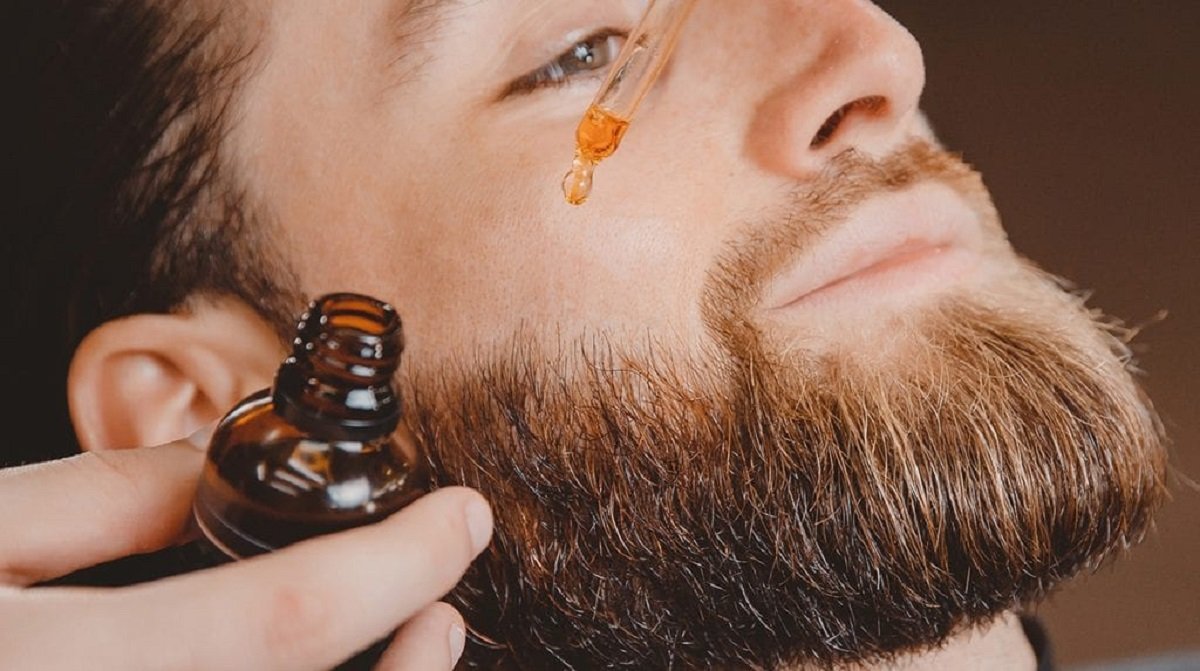
Thicker, fuller beards often depend on the right oil, and two natural options—castor and argan—stand out for their proven results. Both provide nutrients that support healthy growth, but they work in different ways. Castor oil generally delivers stronger growth results due to its high ricinoleic acid content, which helps stimulate hair follicles and improve density.
Argan oil, on the other hand, nourishes the beard and skin beneath with vitamin E and fatty acids that reduce dryness and irritation. It keeps the beard soft and manageable without feeling greasy. The difference lies in what each oil targets—castor encourages growth, while argan improves texture and comfort.
This guide explores how each oil supports beard health, how to apply them effectively, and how to choose the one that matches specific grooming needs. By understanding their unique benefits, anyone can build a routine that promotes a stronger, healthier beard.
Castor vs Argan Oil: Key Differences for Beard Growth
Castor and argan oils both support beard health, but in different ways. Their nutrient makeup, absorption rate, and effect on follicles determine how well they promote thicker and stronger facial hair. Each oil suits certain beard types and skin conditions better than others.
Nutrient Profiles and Active Compounds
Castor oil contains a high level of ricinoleic acid, a fatty acid that helps retain moisture and supports hair shaft strength. It also carries small amounts of vitamin E and omega‑9 fats that coat the beard and reduce dryness. This composition makes it dense and heavy, ideal for coarse or dry beards.
Argan oil, often called “liquid gold,” is lighter and absorbs faster. It contains vitamin E, linoleic acid, and oleic acid, which help maintain a balanced level of sebum on the skin. These nutrients protect the follicles from breakage and dryness without leaving a greasy layer.
Both castor and argan are natural beard growth oil products, but argan is better for daily use, while castor works better as a deep‑treatment for hydration and nourishment.
How Each Oil Supports Beard Follicles
Castor oil forms a thick coating that helps trap moisture around the follicle. This barrier effect keeps the roots hydrated and may reduce breakage caused by brittle strands. Its dense texture also shields the skin beneath from environmental dryness.
Argan oil, by contrast, penetrates the skin faster. It delivers antioxidants that help protect the follicle from free‑radical damage and dryness. The lighter consistency allows oxygen and nutrients to reach the root area more easily, which supports steady growth.
Regular use of either oil can improve beard softness and reduce flaking around the chin. However, people often use castor oil less often due to its heavier feel, while argan oil fits better for daily grooming routines.
Impact on Beard Thickness and Length
Castor oil often leads to a denser appearance because it coats each strand and helps reduce split ends. Its fatty acids strengthen the shaft, which can make the beard look fuller over time. Some users notice less shedding after consistent use for several weeks.
Argan oil supports length by keeping the hair flexible and less prone to breakage. Its vitamin E content helps maintain elasticity, allowing the beard to grow longer before trimming becomes necessary.
Both oils can improve beard texture, but castor tends to give more volume, whereas argan supports smoother, more defined strands. The choice depends on whether the goal is fullness or manageability.
Suitability for Different Beard and Skin Types
Castor oil suits men with thick, coarse, or dry facial hair. Its heavy consistency helps restore moisture and reduce roughness. However, it may feel too dense for those with oily or acne‑prone skin.
Argan oil works better for fine or medium hair types. It hydrates without clogging pores and balances sebum production, which helps prevent irritation. Men with sensitive skin often prefer its lightweight texture.
Those with combination beards can mix both oils—castor for the roots and argan for the lengths—to balance moisture and shine. The blend supports a healthy beard while keeping the skin underneath comfortable and nourished.
Beard Health Benefits and Application Tips
Castor and argan oils both support beard health by improving moisture balance, reducing dryness, and protecting hair strands from damage. Each oil offers nutrients that help maintain strong, smooth, and comfortable facial hair while keeping the skin underneath healthy and irritation-free.
Moisturization and Deep Conditioning Effects
Castor oil contains ricinoleic acid, a fatty acid that helps seal moisture into the hair shaft. This property supports deep conditioning and keeps coarse beard hair soft. It also helps maintain skin elasticity by preventing dryness and flakiness beneath the beard.
Argan oil, rich in vitamin E and antioxidants, absorbs quickly without leaving a greasy feel. It nourishes both hair and skin, improving hair texture and reducing brittleness. Regular use helps prevent dehydration that often leads to rough or wiry strands.
Together, these oils act as a daily conditioner. They strengthen the beard from root to tip, giving it a smoother appearance and making grooming easier. Consistent hydration also helps the beard look fuller and more uniform.
Reducing Itching, Dandruff, and Skin Irritation
Dry skin and trapped debris often cause itching and dandruff in beards. Castor oil’s antimicrobial and antibacterial properties help keep the skin clean and calm. This reduces irritation and prevents buildup that can block follicles.
Argan oil contains anti-inflammatory compounds that soothe redness and discomfort. It supports scalp health and balances oil levels under the beard, which helps reduce flaking.
A few drops massaged into the skin each night can relieve tightness and itch. Over time, the beard area feels softer and more comfortable, with fewer signs of irritation.
Preventing Split Ends and Improving Shine
Frequent dryness can cause split ends and dullness. Castor oil forms a thin protective layer around each strand, helping prevent breakage and moisture loss. This protection improves hair strength and reduces frizz and flyaways.
Argan oil adds natural hair shine without a heavy residue. Its light consistency smooths rough cuticles and reflects light, giving the beard a healthy glow. As a result, the beard appears well-groomed and soft to the touch.
Regular trimming combined with oil use keeps the beard neat while limiting split ends. Proper conditioning also helps maintain a balanced texture across different beard lengths.
Best Practices for Daily Beard Oil Use
A small amount of oil goes a long way. Most people need only 3–5 drops, depending on beard length. The oil should be rubbed between the palms to warm it slightly before application.
Massage the oil into the skin first, then work it through the beard to the tips. This method promotes hair nourishment and supports even distribution.
Applying oil after a shower helps lock in moisture. A soft brush or comb can spread the oil evenly and improve circulation around the follicles. Consistent use keeps the beard hydrated, manageable, and healthy-looking.
Conclusion
Both castor oil and argan oil offer clear benefits for beard growth, but they serve different purposes. Castor oil supports thicker growth and helps fill patchy areas. Argan oil keeps the beard soft and the skin hydrated, which helps maintain healthy growth over time.
Each oil can stand alone, yet many find that using both gives balanced results. Castor oil feeds the follicles, while argan oil protects and conditions the beard.
For men aiming for a fuller, well-kept beard, the best choice depends on their needs. Those seeking density may prefer castor oil, while those focused on softness and comfort may lean toward argan oil.