Business Transport Solutions Built on Reliable Diesel Power
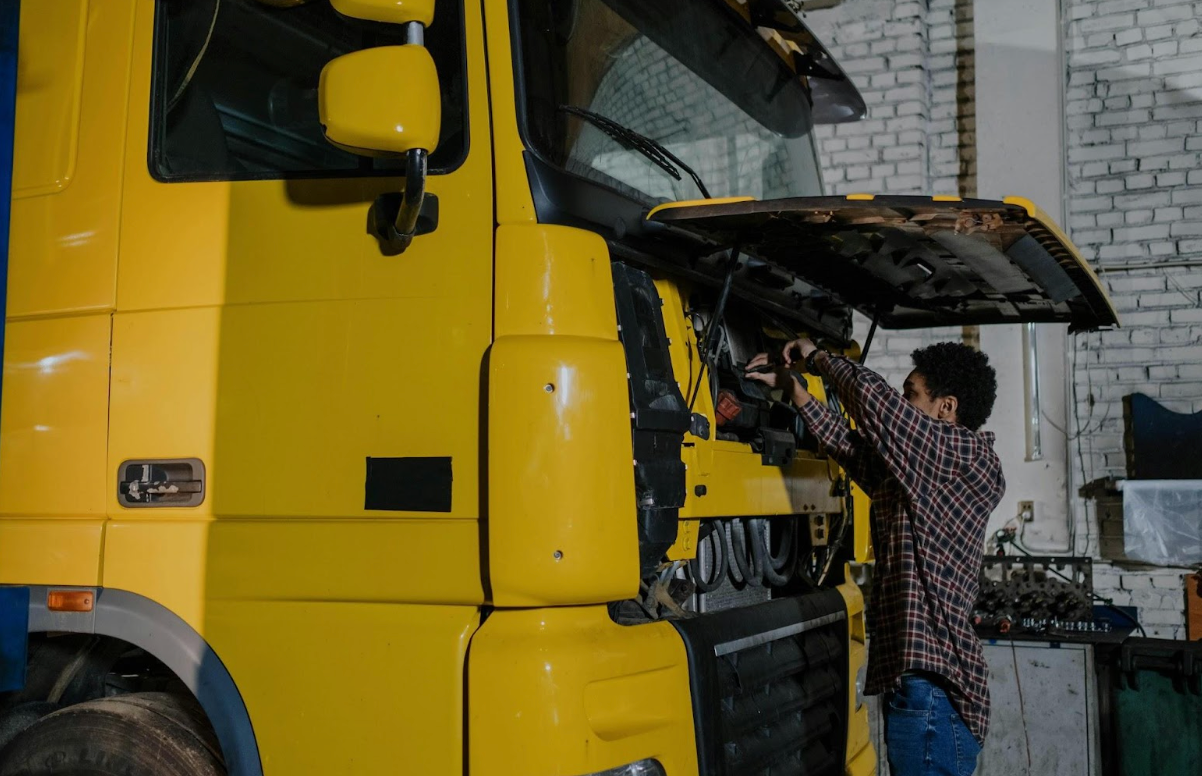
Moving goods requires a motor that won’t quit. Businesses need power for long hauls and heavy loads. Diesel technology provides the strength needed for modern shipping.
Reliability helps companies keep schedules on track. Logistics experts prefer these systems for their long life and steady output. The guide looks at how durable solutions lead the whole heavy transport sector today.
Reliable Power For Modern Logistics
Fleet managers look for engines that can handle constant work without frequent breaks. Many heavy trucks rely on a Cummins 8.9L diesel engine to get through tough delivery cycles. These units offer the torque needed for climbing hills and maintaining speed.
Operators value hardware that stays simple to maintain and delivers high output at the same time. Stronger parts mean less time spent in the shop for unexpected issues. Drivers feel safer when they know the motor under the hood has a proven track record.
Every dollar saved on maintenance goes back into the company budget. Staying profitable in shipping means keeping trucks on the road as much as possible. High-quality engines make the goal much easier to reach. Long service intervals help teams plan their work weeks with more confidence.
Efficiency Benefits In Heavy Duty Transport
Saving money on fuel is a top priority for every transport firm. One industry article noted that modern diesel engines deliver 10-15% fuel savings through variable geometry turbochargers and waste heat recovery systems. It helps a truck do more work with less fuel.
Modern systems use smart features to stay competitive:
- Variable geometry turbochargers
- Cylinder deactivation
- Waste heat recovery
- Precision fuel timing
Better fuel use reduces the number of stops a driver makes. This keeps cargo moving toward the goal without delays. Every percent of efficiency adds up to thousands of dollars each year.
Energy Density Advantages
Diesel fuel holds a lot of energy in a small volume compared to other options. Research from a global data firm points out that diesel engines pull more energy from every liter of fuel thanks to high compression ratios. This mechanical advantage makes them ideal for hauling heavy trailers across long distances. It allows a truck to carry heavy loads without needing a massive tank.
Having more energy per liter means trucks can travel further between fill-ups. It is a key factor when planning routes through remote areas. Logistics teams can map out long journeys with fewer worries about where to find a station.
High compression ratios help the motor stay strong even when idling or moving slowly. Flexibility is useful in heavy traffic or at crowded loading docks. The motor responds quickly to the driver’s input when they need to get moving again. It provides a smooth experience for the person behind the wheel.
Comparing Engine Designs For Lower Consumption
Newer engine designs focus on reducing weight and keeping the power high. An international transport group shared that their newer engine designs consume significantly less fuel than traditional models. Savings come from using lighter materials and smarter engineering.
Weight management is a big deal for companies that ship heavy goods like steel or stone. Every pound saved on the motor is a pound of extra product they can sell. Balance makes diesel systems very attractive for industrial work. It maximizes the value of every trip the truck takes.
Modern engineers spend years finding ways to trim fat from the motor block. They use high-strength alloys to keep things durable without adding bulk. Focusing on weight helps the vehicle handle better on the road.
Meeting New Emission Standards
Rules for what comes out of the tailpipe are getting tighter every year. A specialized technical site noted that manufacturers must certify diesel engines to a specific idling emission standard of 10 grams per hour through 2026. It requires advanced filters and cleaning systems that work even when the truck is parked.
Cleaner air is a goal that the whole industry is working toward. New filters catch tiny particles before they leave the exhaust pipe. Systems keep the truck legal in cities with clean air zones. It allows businesses to operate anywhere without fear of fines or bans.
Regular updates to systems help the motor run better for a longer time. They prevent soot from building up and causing damage to internal parts. Keeping the exhaust clean is part of a good maintenance plan. It protects the investment the company made in its fleet.
Future Growth In Road Freight
Demand for shipping is rising quickly in many regions. A report found that truck movements on some roads will grow from 16 billion miles in 2025 to 18 billion miles by 2060. Firms need reliable trucks to keep up with the growth.
More miles mean more wear on the gear. Diesel motors often last much longer than gas versions. They feature strong parts:
- Heavy-duty engine blocks
- Thicker internal parts
- Systems for constant cooling
Growth brings more competition for contracts. Staying on schedule helps firms win more business. Reliable power keeps promises made to customers every single day of the long year.
Digital Tools For Fleet Management
Keeping track of every truck in a large fleet is a complex job. A news update for transport managers mentioned that a new version of the smart tachograph will become mandatory for international vehicles by August 2025. The tool helps track driving hours and location to keep everyone safe and legal. It works alongside the engine sensors to give a full picture of how the truck is doing.
Digital logs help prevent drivers from getting too tired on the road. They make sure the company follows all the labor laws in every country they visit. Data can show when a motor needs a tune-up or an oil change.
Smart tools can help plan better routes to avoid traffic or hills. Saving time on the road means saving fuel and reducing wear. Systems are part of a modern approach to shipping. They turn a simple truck into a high-tech tool for business.
Environmental Impact And Reductions
The transport sector is a large part of the global effort to lower emissions. A report from a financial group highlighted that road traffic accounts for 3/4 of all transportation emissions. This fact puts pressure on truck makers to keep improving their diesel designs.
Small improvements in every truck add up to a big change for the planet. Using less fuel means less carbon enters the air with every mile. Better exhaust cleaning removes harmful gases from the environment, too. Modern diesel tech is much cleaner than the old smoky trucks of the past.
Companies that care about their impact often choose the newest equipment. It shows customers and partners that they are doing their part. Staying green can lead to tax breaks or better contracts in some places. It is a smart move for the planet and the bank account.

Reliable power stays at the heart of every transport firm. Diesel systems provide the torque to keep cargo moving. These machines get cleaner and more capable each year.
Picking the right tools keeps a company competitive in a tight market. Long life and lower costs make motors a top pick. High-quality hardware sets a path toward steady success.