Local Knowledge Enhances Every Ride in Vietnam: Why a Guide Matters on Mountain Roads
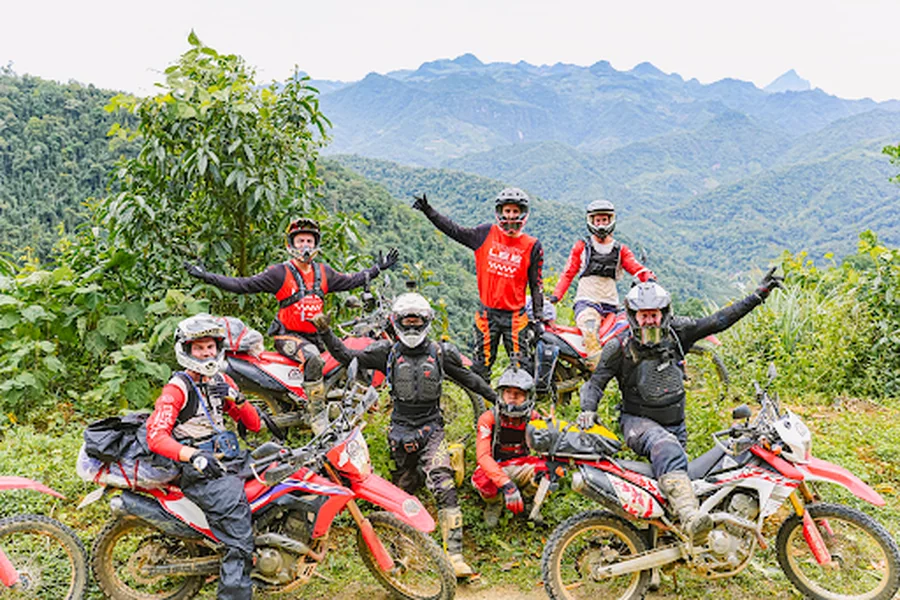
Riding a motorbike through Vietnam offers iconic scenery: crisp mountain air, golden rice terraces, and sweeping open roads. Alongside these views come shifting mountain weather, changing road surfaces, and busy passes shared with local transport. Vietnam’s northern peaks and Central Highlands provide unforgettable routes, but navigating them comfortably requires preparation. Partnering with local expertise ensures a smoother journey, helping you ride with confidence and ease.
The Unwritten Rules of Mountain Roads
While Western traffic relies on rigid lanes and strict right-of-way rules, driving in Vietnam flows as a dynamic, shared ecosystem where movement is guided by momentum and vehicle size. On narrow mountain passes, this fluid rhythm requires constant awareness and anticipation. Rather than relying on familiar driving habits, navigating these scenic roads successfully means learning to read and harmonize with the local flow.
Understanding these unspoken dynamics is where a local expert makes all the difference. Riding alongside a Vietnam motorbike tour expert connects you with a guide who natively understands this intricate choreography, setting a smooth pace and helping you seamlessly navigate every turn.
Priority of momentum: Long-haul buses and large trucks need extra space on tight passes. Recognizing their momentum helps you share the road safely and maintain your line.
Audio communication: Horns on mountain curves serve as friendly, practical signals. Locals use precise horn rhythms to announce their approach around blind corners long before they come into view.
Flexible positioning: Lane lines guide movement, but flexibility is key. Expecting vehicles to adjust their path allows everyone to navigate narrow sections together smoothly.
Unpredictable Elements and Treacherous Terrain
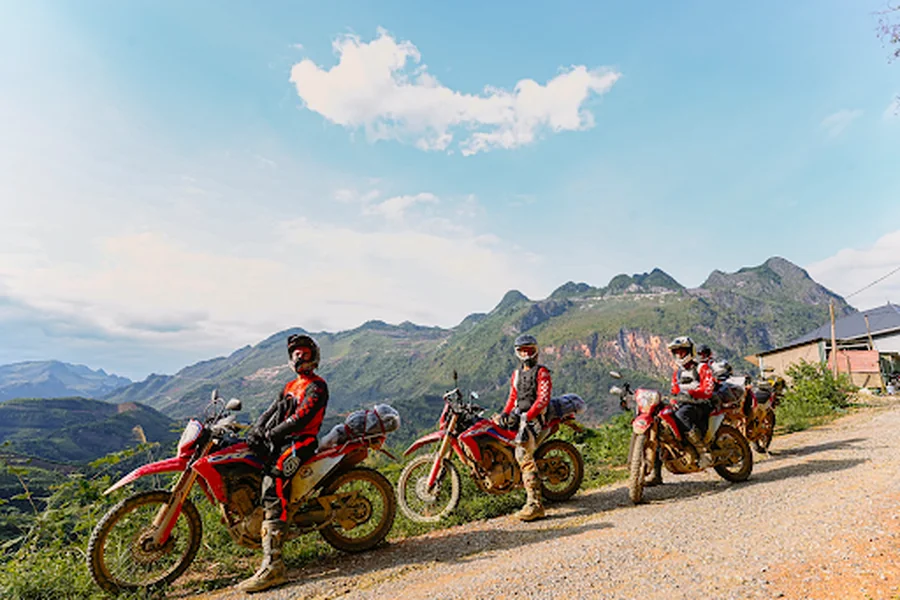
Mountain weather in the Vietnamese highlands changes quickly across distinct microclimates. The Hoang Lien Son range and the Ha Giang plateau can transition from sunny valleys with crisp roads to sudden mountain mist and cool rainfall within a single afternoon. Adapting smoothly to these shifting road conditions and unexpected weather variations is all part of the journey when guided by local insight.
Landslides and washouts: During the rainy season, entire sections of road simply vanish down the mountainside. Local guides have real-time networks—calling ahead to village contacts to check if a pass is actually open, saving you from being stranded overnight on a dangerous cliff edge.
Deceptive surfaces: What looks like a dry, flat patch of asphalt can actually be covered in a razor-thin layer of algae, diesel slick, or loose gravel left over from construction. Local riders know exactly which patches of road lose traction based on the morning dew.
Mechanical Failures in the Middle of Nowhere
Handling maintenance on remote mountain routes requires extra resourcefulness. Off the main highway, cell coverage can vary, and specialized mechanics may be far apart. When a minor issue arises as afternoon turns to evening, having experienced support on hand ensures your trip stays on schedule and stress-free.
The extreme wear and tear: The severe gradients, constant gear-shifting, and corrosive mud put immense strain on brake pads, clutches, and chains. Even a meticulously maintained rental bike can succumb to the harsh environment.
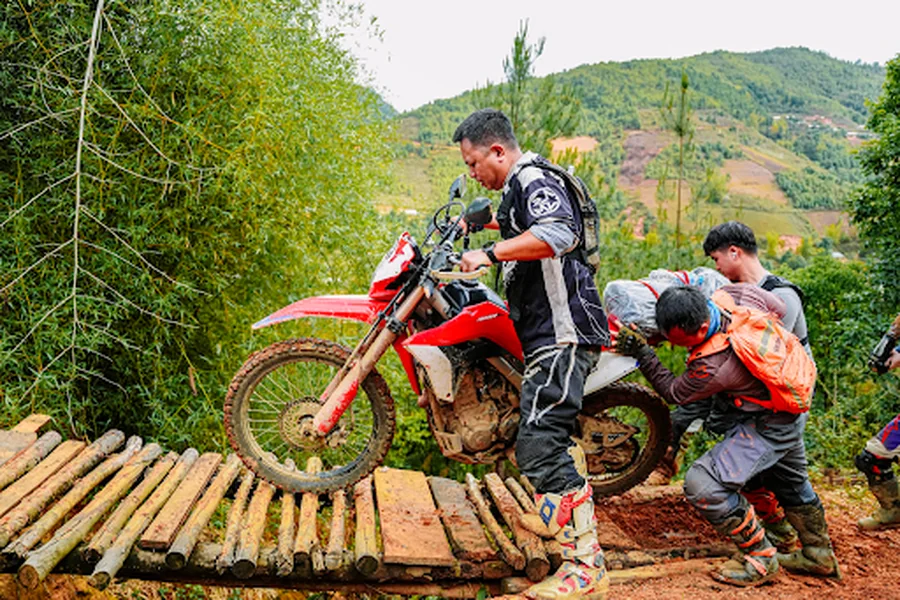
The “MacGyver” mechanics: When a vital part snaps in a remote village, you need someone who knows how to fix an Enduro bike using rudimentary tools and local ingenuity.
The support vehicle advantage: Professional tours come with a dedicated mechanic and a sweep vehicle. Instead of your trip ending on the back of a flatbed truck, a local expert fixes your bike on the spot – or swaps it out completely – keeping your adventure alive without losing momentum.
Preparedness and Medical Logistics
Safety is the foundation of any great journey. If an unexpected incident occurs on a remote road, having a structured support system in place makes all the difference. Local guides know how to respond promptly, bridge communication with regional clinics, and handle logistics with ease, ensuring you are cared for every step of the way.
The language barrier: In the remote highlands, English is virtually non-existent. Try explaining the mechanism of a spinal injury, your blood type, or your medication allergies to a rural clinic nurse in a mix of pain-induced panic and Google Translate. It simply does not work.
Evacuation logistics: Local experts know exactly where the nearest capable trauma facilities are located, as opposed to basic village clinics. They know who to call to charter a rapid vehicle evacuation and how to effectively command local authorities to secure immediate first aid.
Beyond Safety: The Key to Authentic Cultural Access
While keeping you alive and your bike running is the primary job of a local guide, their secondary role is arguably what makes the trip truly unforgettable: acting as a bridge to a world you could never access on your own. When you travel solo, you are inherently an outsider looking in; your interactions are mostly transactional – buying gas, ordering food, paying for a room. A local guide shatters this invisible wall, transforming you from a passing tourist into an invited guest, unlocking a depth of cultural immersion that no guidebook can provide.
True hospitality: A solo foreigner pulling into a H’mong village is a curious, sometimes disruptive outsider. A foreigner arriving alongside a respected local guide is treated with immediate trust, often invited inside wooden stilt houses to drink corn wine and share a family meal by the fire pit.
Navigating sacred customs: Which areas of a village are sacred and off-limits? How do you properly greet a village elder? What are the taboos when eating with an ethnic minority family? Your guide ensures you travel respectfully, leaving a positive footprint rather than accidentally offending the communities hosting you.
The allure of the “lone wolf” motorcycle adventure is undeniably powerful, driven by cinematic travel vlogs and a romanticized vision of absolute freedom. However, the harsh reality of Vietnam’s frontier roads demands profound respect. The mountains do not care about your riding experience back home, nor do they compromise for unprepared travelers.
Choosing to ride with an expert is not a surrender of your independence or a compromise on adventure; it is the ultimate enabler. By outsourcing the critical stress of navigation, mechanical survival, and emergency logistical planning to a local professional, you free up 100% of your mental bandwidth to actually absorb the experience.