How to Choose Between Movado Watches and Citizen Watch Models for Everyday Style
Choosing an everyday watch is about more than selecting a device that tells time. A watch is often an extension of personal style, daily habits, professional image, and long-term preferences. With countless options available, buyers frequently compare brands based on appearance, reliability, comfort, maintenance, and overall value.
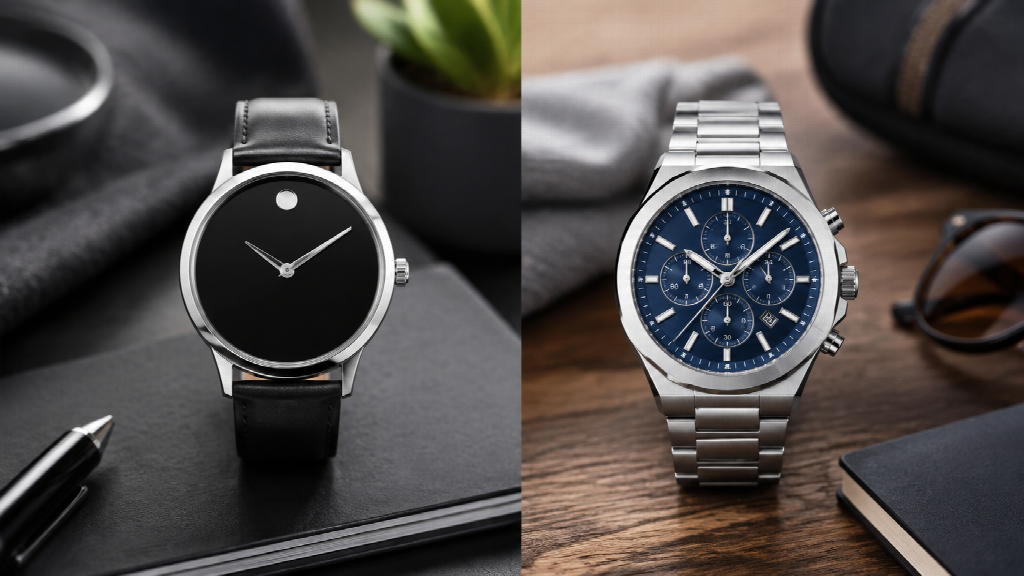
Two names that often appear in this conversation are movado watches and citizen watch models. While both brands have built strong reputations, they appeal to different types of buyers. One may attract those who prefer refined minimalism and fashion-focused designs, while the other may appeal to individuals who prioritize practical features and dependable technology.
Selecting the right watch requires understanding how design choices, lifestyle needs, and ownership expectations influence the decision.
Understanding Your Everyday Watch Requirements
Before comparing brands, it is important to consider how the watch will be used. A timepiece worn daily needs to match your routine, whether that involves office meetings, travel, outdoor activities, or social events.
A professional working in a corporate environment may prefer a clean design that complements formal clothing. Someone with an active lifestyle may value durability, water resistance, and low maintenance. Meanwhile, a buyer interested in personal style may focus more on appearance, brand identity, and how the watch works with different outfits.
The challenge is finding a balance between visual appeal and practical features. A watch that looks impressive but does not suit your daily activities may remain unused, while a highly functional model may not provide the style statement some buyers want.
Comparing Design Philosophy and Appearance
Design is often the first factor people notice when choosing a watch. The shape of the case, dial layout, strap material, and finishing details all contribute to how a watch fits into an overall look.
Movado is widely recognized for its minimalist approach. Many of its designs feature clean dials, simple hour markers, and a modern appearance that works well with formal and smart-casual clothing. This style appeals to people who prefer understated accessories that make a subtle statement.
Citizen models generally offer a wider range of visual styles. Buyers can find traditional dress watches, sporty designs, chronographs, and modern everyday pieces. This variety makes the brand appealing to those who want a watch that matches different activities and clothing choices.
The trade-off between these approaches comes down to versatility versus design consistency. A minimalist watch may pair easily with professional outfits but offer fewer choices for casual or outdoor settings. A broader collection provides more flexibility but may require more consideration when choosing a specific model.
Considering Comfort for Daily Wear
A watch worn every day should feel comfortable after several hours. Factors such as case size, weight, strap material, and wrist shape all influence the wearing experience.
Large cases may create a stronger visual presence but can feel uncomfortable on smaller wrists. Lightweight materials may improve comfort during long periods of use but may not provide the same premium feel as heavier metal designs.
Strap choice also plays an important role. Leather straps often provide a classic appearance suitable for business environments, while metal bracelets may offer durability and a more versatile look. Some buyers prefer interchangeable straps because they allow one watch to adapt to different occasions.
Comfort is a personal decision, so trying different sizes and styles before purchasing can prevent disappointment. A watch that looks appealing online may feel different when worn regularly.
Evaluating Technology and Features
Modern watches offer a range of features beyond traditional timekeeping. Depending on lifestyle needs, buyers may consider factors such as battery performance, accuracy, water resistance, and additional functions.
Many Citizen watches are known for technology-focused features, including solar-powered movements in selected collections. This can appeal to users who want reduced battery maintenance and reliable daily performance.
Movado focuses more heavily on design and traditional watch aesthetics. For buyers who value a refined appearance and classic presentation, fewer technical features may not be a disadvantage.
This creates an important choice: should a watch primarily serve as a practical tool, or should it represent personal style? Neither approach is automatically better. The right option depends on how much importance the buyer places on convenience compared with visual character.
Balancing Price and Long-Term Value
Budget is another major consideration when selecting an everyday watch. Buyers often compare not only the purchase price but also the long-term ownership experience.
A higher-priced watch may offer premium finishing, stronger brand recognition, or a design that remains appealing for many years. A more affordable model may provide excellent reliability while allowing buyers to own multiple watches for different occasions.
The perceived value of a watch is influenced by several elements:
- Brand reputation
- Materials used
- Design appeal
- Mechanical or quartz movement
- Condition over time
- Availability of servicing
It is important to remember that price does not always determine personal value. A watch that fits your lifestyle and receives regular use may provide more satisfaction than an expensive model that does not match your needs.
Matching a Watch With Personal Style
An everyday watch should complement the owner's wardrobe and lifestyle. Different designs communicate different impressions.
A simple dial with a polished finish can create a professional and sophisticated appearance. A sportier design may suggest an active personality. A classic leather strap can create a timeless look suitable for formal occasions.
When choosing between different brands and collections, buyers should think about their existing clothing choices. Someone who mainly wears suits may prefer a refined dress style, while someone who wears casual clothing may want a more adaptable design.
Personal style is also likely to change over time. Selecting a design that feels authentic rather than following short-term trends can help ensure the watch remains enjoyable for years.
Maintenance and Ownership Considerations
Every watch requires some level of care. Understanding maintenance expectations before buying helps avoid unexpected costs.
Quartz watches generally require less maintenance compared with mechanical timepieces. However, battery replacement, water resistance checks, cleaning, and servicing may still be necessary.
Proper care includes:
- Keeping the watch away from unnecessary moisture exposure
- Storing it safely when not in use
- Maintaining original documents and packaging
- Servicing according to manufacturer recommendations
These steps are particularly important for owners who view their watches as personal assets. Documentation and good condition can help establish authenticity and value if the watch is later appraised, insured, or sold.
The Importance of Considering Future Use
A common mistake when purchasing a watch is focusing only on immediate appeal. A design may look attractive at the time of purchase but may not suit future lifestyle changes.
For example, someone buying a formal watch may later need a more versatile option for travel or outdoor activities. Similarly, someone choosing a feature-heavy model may eventually prefer a simpler design for professional settings.
Thinking about future situations helps buyers make a more informed decision. Consider where the watch will be worn, how often it will be used, and whether the design will continue to match personal preferences.
Making the Final Choice
Choosing between different watch models requires evaluating several factors together rather than focusing on one feature. Appearance, comfort, technology, budget, and long-term ownership all contribute to the final decision.
A buyer who values minimalist design, refined appearance, and a fashion-focused accessory may prefer one type of watch experience. Someone who prioritizes practical features, variety, and everyday convenience may choose another approach.
There is no single watch that suits every person. The best choice is the one that aligns with your lifestyle, personal taste, and expectations.
Whether selecting a watch for daily wear, professional use, or personal enjoyment, taking time to understand these differences can help buyers invest in a timepiece they will appreciate for years. A well-chosen watch is not just an accessory; it becomes part of how a person presents themselves and experiences everyday moments.