
From Hospital to Home: Planning a Smoother Recovery
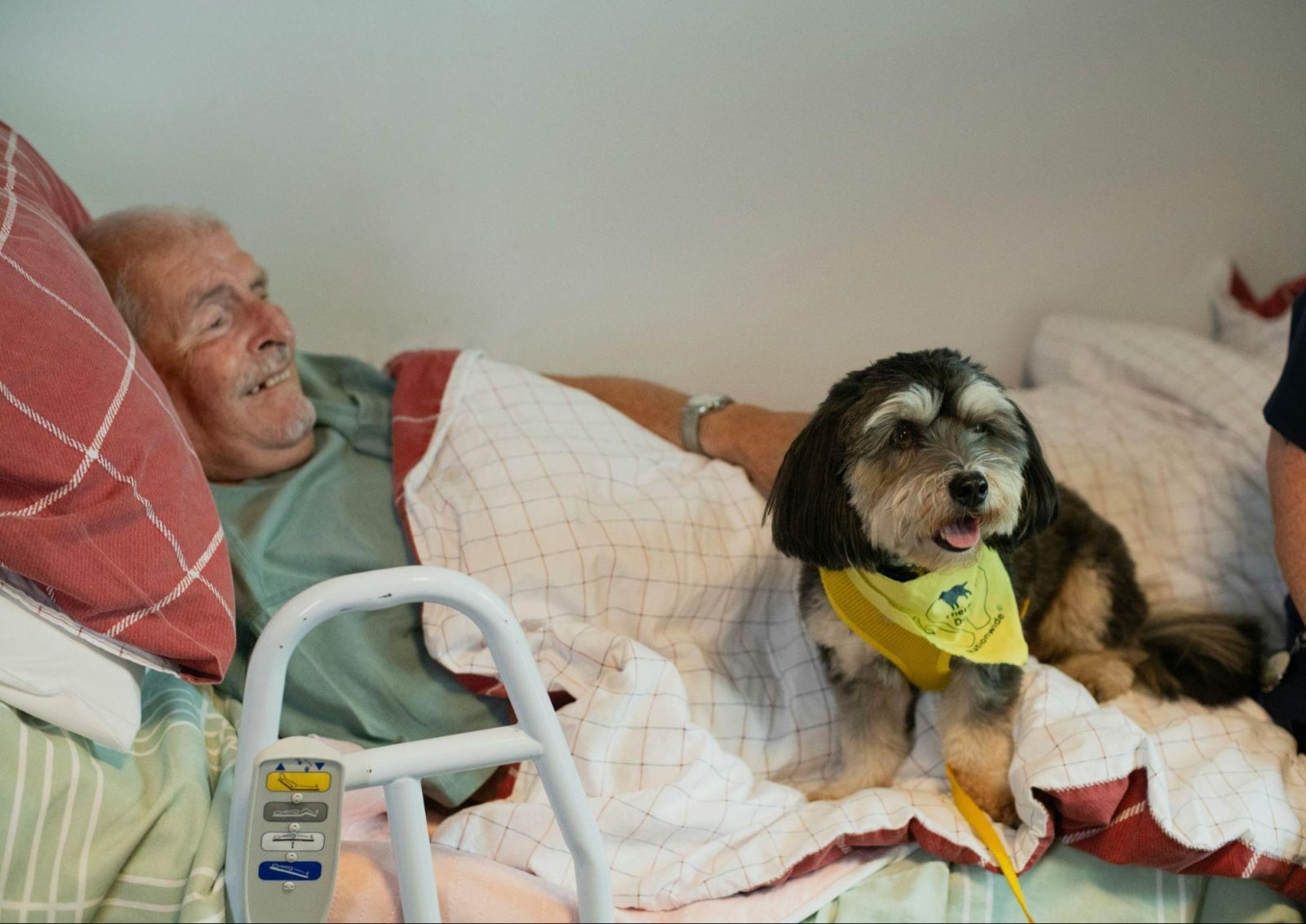
Leaving the hospital can bring relief, but it can also introduce new responsibilities. At home, patients and families may need to manage medications, organize appointments, prepare meals, and adjust familiar routines. Without hospital staff nearby, even ordinary tasks can suddenly feel more complicated.
A smoother transition begins with preparation. Understanding the discharge plan, arranging practical support, and making space for rest can help households feel more confident. Since recovery looks different for everyone, the goal should be to build a manageable routine around the patient’s specific needs and medical instructions.
Understand the Discharge Plan
It is highly essential that you ask the care team about the recovery details before you leave the hospital. Ask for written instructions including what medication to take and when to take it, activity level to be maintained, what to do when following up, and who to call for questions.
It can also help to repeat the instructions back in your own words. This provides an opportunity for the medical staff to clarify any misunderstandings before they become problems at home. With the patient’s permission, include a relative or trusted friend who will help during the recovery.
Designate a folder to hold all the discharge papers with important individuals' contact information and their appointment schedules. Write down questions to ask the physician in the future, or to the other doctors involved in the care.
Prepare the Home Before Arrival
Consider how the patient will move through the home during the first few days. Remove loose clutter, clear pathways, and keep commonly used items within easy reach. Ask the hospital team whether stairs, bathroom arrangements, or existing furniture could create difficulties.
Prepare a comfortable resting spot and if permitted include comfort items. Make sure there is ample light, space for paperwork, and enough room to rest. Avoid buying equipment that looks useful in the spur of the moment. Find out what items are needed, if professional fitting or training is needed, and when it should be delivered. A discharge coordinator can help prioritize situations that need attention before the patient comes home.
Organize Medication and Daily Responsibilities
Medication instructions may change during a hospital stay. Never use notes from the last prescription. Ask a clinician or pharmacist to review the updated list, including what to continue, what to stop, and when each medicine should be taken. Clarify uncertainties rather than relying on an older prescription list.
Make sure prescribed medications are collected or delivered without delay. If expense, transport, or pharmacy access is a concern, ensure to resolve this before the patient leaves the hospital.
Alongside medical planning, assign ordinary household tasks. Someone might handle groceries, while another person provides transport or prepares meals. Specific offers of help are often easier to coordinate rather than a general promise to be available.
Arrange the Right Professional Support
Some recovery needs require professional attention beyond help from family members. Depending on the discharge plan, this might include nursing visits, rehabilitation, or assistance with personal care. Ask which services are recommended, who will arrange them, and when the first visit should happen.
For a patient returning home with a surgical incision or another wound, in-home wound care may be part of the clinician’s recommended support plan. Clarify who will assess the wound, manage prescribed dressing changes, and explain what the patient or caregiver should do between visits.
Confirm costs, eligibility requirements, and contact arrangements before assuming a service is available. Families should also know whom to call if a scheduled professional cannot attend. Clear responsibilities help prevent gaps in support during the transition.
Build a Flexible Daily Routine
The first days at home do not need a packed schedule. Start with the essentials, and build in time for relaxation, and unexpected needs or desires. A calendar on the wall can help avoid scheduling everything at once and unplanned visitors.
Follow the care team’s guidance on meals, fluids, movements, and sleep arrangements. Avoid comparing progress with someone else’s recovery, even if they experienced a similar illness or procedure.
Include small comforts that can make the day feel familiar, such as music, conversation, or a favorite television program. Ask before inviting visitors, and keep visits manageable. The patient should have a say in how their time and energy are used.
Keep Communication Clear
Before discharge from the hospital, make sure to ask which changes should prompt a call, which ones require urgent assessment, and how to get help outside regular office hours. Keep those instructions accessible instead of trying to remember everything during a stressful moment.
At home, record questions and observations to share with the care team. Bring an updated medication list and discharge information to follow-up appointments. If tests are still pending, confirm who will review the results and explain the next steps.
Endnote
Returning home from the hospital is an important step, but recovery continues beyond hospital doors. Focus on the next necessary step, involve the patient in decisions, and allow the routine to change as their needs evolve.


