Casey Wasserman and the Power of Long-Term Thinking
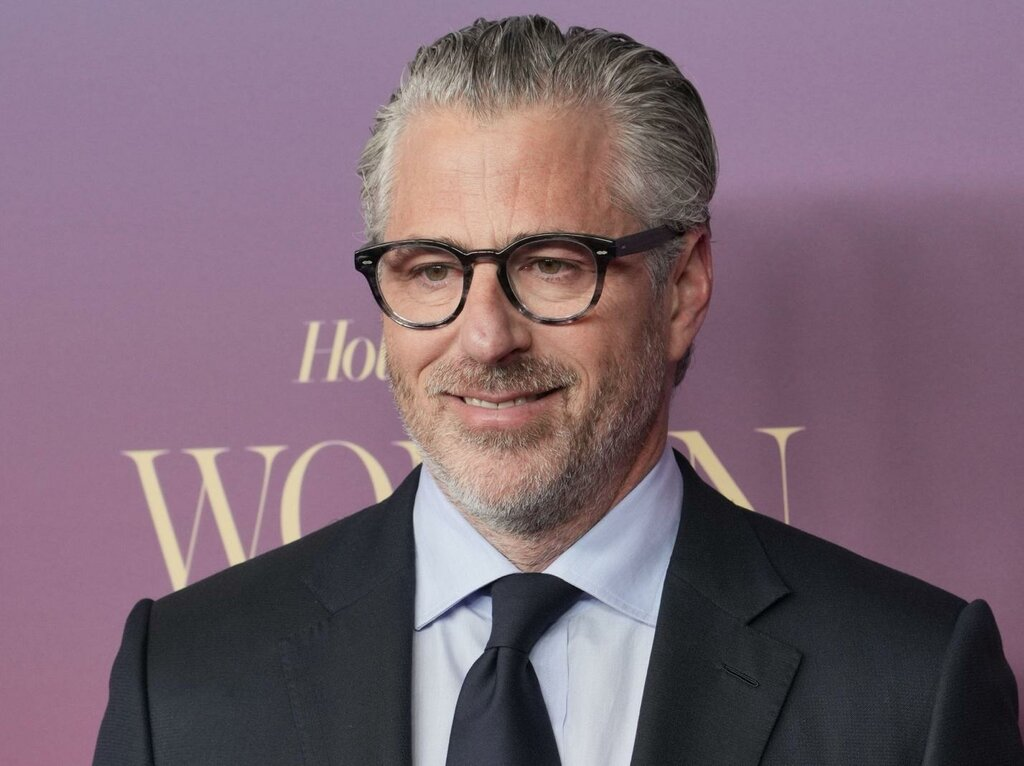
In a business culture that often celebrates rapid growth and overnight success, long-term thinking can feel almost unconventional.
Quarterly earnings dominate headlines. Startups chase exponential growth. Social media rewards immediate results. Yet behind many enduring organizations is a very different philosophy—one built on patience, consistency, and the understanding that meaningful progress rarely happens all at once.
Casey Wasserman has spoken about that idea throughout his career.
Best known today as Chairperson of the Los Angeles 2028 Olympic and Paralympic Games, Wasserman has spent more than two decades helping shape the business of sports through marketing, talent representation, sponsorship strategy, and large-scale event leadership. While the industry around him has changed dramatically, one theme has remained remarkably consistent in his public comments: success is something that compounds over time.
A Career That Grew Alongside an Industry
When Wasserman founded his company in 2002, the sports business was entering a period of significant transition.
Traditional television still dominated media rights. Social media platforms had yet to reshape communication. Athletes were becoming global personalities, but many of the business opportunities associated with today’s creator economy had not yet emerged.
Over the following two decades, nearly every aspect of the industry evolved.
Streaming services transformed how audiences watched live events. Athletes built personal media platforms. Sponsorships expanded beyond logos into storytelling, digital experiences, and year-round engagement.
Rather than resisting those changes, Wasserman’s career evolved alongside them.
His organization expanded into new areas of sports marketing and consulting as the industry itself became more interconnected, illustrating an important principle of long-term leadership: growth often comes from adapting without abandoning core objectives.
Why Time Matters
In an interview on the Extraordinary Happens podcast, Wasserman offered a perspective that contrasts with today’s emphasis on instant results.
“I don’t believe success happens in a moment—it happens slowly over a long period of time,” he said. “To achieve that, you have to be in the game and continue to push forward and create opportunities.”
It is a deceptively simple observation.
Many careers are remembered by defining moments—a major promotion, a successful acquisition, or a high-profile project. Yet those milestones are usually built upon years of preparation, relationships, and incremental progress that receive far less attention.
The same principle applies to organizations.
Businesses that endure tend to invest steadily in people, culture, and strategy rather than relying exclusively on short-term wins.
Preparing for Change Instead of Reacting to It
Long-term thinking does not mean standing still.
On the contrary, industries that evolve quickly often reward leaders who anticipate change before it becomes unavoidable.
Sports provides a useful example.
Consumer habits have shifted from scheduled television viewing to on-demand content. Fans increasingly engage with athletes through social media, podcasts, documentaries, and streaming platforms. Technology continues to reshape sponsorship measurement, audience analytics, and live event experiences.
Navigating those changes requires flexibility, but it also requires perspective.
Organizations that constantly chase every new trend risk losing strategic direction. Those that ignore change altogether risk becoming irrelevant.
The challenge lies somewhere between those extremes.
Wasserman’s career reflects that balancing act, expanding alongside the industry’s evolution while maintaining a focus on long-term growth rather than short-lived opportunities.
Reputation Is Built Gradually
Time influences more than business strategy.
It also shapes credibility.
Professional reputations are rarely established through a single achievement. They develop through repeated interactions, fulfilled commitments, and the confidence others place in consistent performance.
Wasserman has spoken about wanting to build a professional reputation based on his own accomplishments rather than assumptions connected to his family background. In interviews, he has described that goal as an important motivation early in his career.
The broader lesson extends beyond sports.
Trust is one of the few business assets that cannot be accelerated. It accumulates over years of reliable decisions and can become a defining advantage for leaders and organizations alike.
The Value of Staying Curious
Another characteristic shared by long-lasting careers is curiosity.
Markets evolve. Technology advances. Consumer expectations shift.
Leaders who continue learning are often better positioned to recognize opportunities before they become obvious.
Although Wasserman’s work has spanned multiple areas of sports business, his public comments consistently suggest an openness to change rather than attachment to familiar models. That mindset has become increasingly valuable in an economy where industries continue to converge and innovation rarely slows.
Long-term success depends not only on experience but also on the willingness to keep adapting.
Looking Beyond the Immediate Horizon
One reason long-term thinking remains challenging is that its rewards are often delayed.
Building trust takes time. Developing organizations takes time. Creating meaningful partnerships takes time.
In discussing career advice, Wasserman has also encouraged people to identify work they genuinely care about and invest themselves fully in it. Passion, he has suggested, provides the motivation necessary to sustain effort over the years required for meaningful achievement.
That perspective stands in contrast to a culture that often equates speed with success.
Instead, it recognizes that enduring careers are usually measured not by how quickly they begin, but by how thoughtfully they evolve.
The Long View
Looking back, Wasserman’s career is notable not simply because of the positions he has held or the projects he has led.
It reflects an approach to leadership that values steady progress over dramatic moments and preparation over urgency.
In an era where industries continue to transform at remarkable speed, that philosophy remains surprisingly relevant.
Technology will continue to change. Consumer expectations will evolve. New business models will emerge.
Yet the qualities that sustain successful careers—patience, adaptability, curiosity, and a commitment to continuous improvement—are unlikely to lose their value.
Time changes industries.
How leaders respond to that change often determines whether their influence lasts.