Best Tips for Choosing High-Quality Women’s Work Shirts
Key Takeaways
- Fabric quality is essential; choose breathable, durable materials like cotton or performance blends for comfort and long-lasting wear.
- Strong stitching and reinforced seams improve durability and help work shirts withstand daily use and washing.
- A proper fit ensures both comfort and a professional appearance without restricting movement.
- High-quality buttons, snaps, and closures enhance functionality and reduce the risk of wear or breakage.
- Collar and cuff construction play a key role in maintaining a polished, structured look over time.
- Trusted brands like Dickies are known for consistent quality and reliable women’s workwear options.
- Good work shirts offer long-term value, making them a smart investment over cheaper, less durable alternatives.
- Extra features like stretch panels, moisture-wicking fabric, and hidden pockets add convenience and functionality.
- Proper care and maintenance significantly extend the lifespan and performance of work shirts.
When selecting the perfect work shirt, quality is paramount. A well-chosen shirt not only enhances your professional appearance but also ensures comfort and durability throughout your workday. For those seeking durable women’s work shirts, Dickies offers a range of options. With a longstanding reputation for quality workwear, Dickies provides shirts designed to withstand the rigors of various work environments, ensuring both comfort and longevity.
Prioritize Fabric Quality
The foundation of any great work shirt lies in its fabric. Opt for natural fibers like cotton, linen, or silk for breathability and comfort. Tightly woven fabrics are more durable and resist wear and tear. For instance, organic cotton T-shirts are dominating women’s quality clothing due to their softness and environmental benefits. Beyond comfort, fabric choice significantly influences how a shirt performs after repeated washing and wear. Blended fabrics like cotton-polyester can offer moisture-wicking, wrinkle resistance, and enhanced durability, features that are highly beneficial in active work environments. However, pure fibers like 100% wool or premium cotton generally feel softer and look more luxurious. Additionally, performance fabrics engineered for stain resistance, stretch, or temperature regulation can add value depending on your workplace requirements.
Examine Stitching and Seams
High-quality shirts feature straight, even stitches with no loose threads. Reinforced seams at stress points, such as shoulders and underarms, enhance durability. Double stitching or French seams are indicators of superior craftsmanship. Take a closer look at key junctions, side seams, sleeve joins, and hem. Durable work shirts use locking stitches to prevent unraveling. Inspect the inside of a shirt for neat serging or taping, and run your hand along the seams to ensure there are no rough edges or unfinished threads. Meticulous attention to stitching is a telltale sign of long-lasting construction.
Ensure Proper Fit and Structure
A well-fitting shirt flatters your body without feeling restrictive. Tailored fits are ideal for formal settings, while relaxed or oversized fits suit casual environments. A high-quality shirt should maintain its shape after washing, without sagging or stretching out. It’s important to try on shirts with your usual work attire, such as blazers, vests, or safety gear, to avoid bulkiness or tightness. The best shirts feature discreet darts, princess seams, or pleats to add subtle shape. Consider versatile options with adjustable cuffs and lengths, such as roll-tab sleeves for comfort throughout the day. When shopping online, consult brand sizing charts and prioritize retailers with clear return policies to make it easier to find your ideal fit.
Assess Buttons and Fastenings
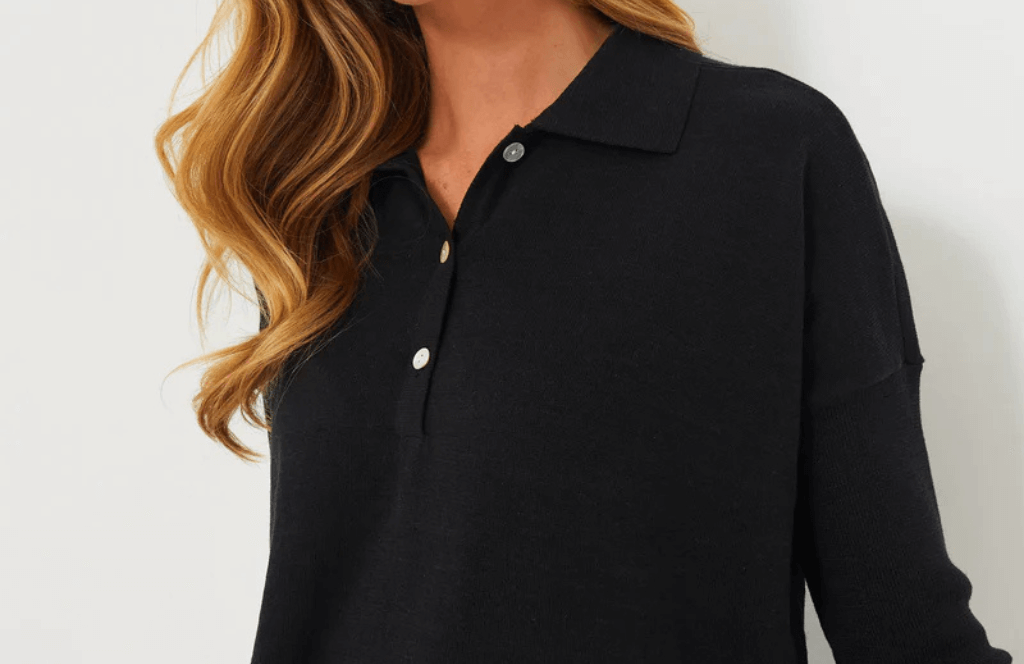
Securely attached buttons with a cross or shank stitch indicate quality. Natural buttons made from materials like mother-of-pearl or metal are preferable to cheap plastic buttons. Smooth zippers or quality snaps also reflect superior construction. Beyond materials, the placement and quantity of fastenings influence comfort and coverage. Shirts with hidden button plackets or extra buttons prevent gaping, a common issue for women’s shirts. For those with active roles, snap closures or reinforced buttonholes can provide quick changes and added resilience. Examining the button threading for tightness and inspecting the zipper’s integrity ensures that your shirt will stand up to long-term use without malfunction.
Evaluate Collar and Cuff Construction
Well-made collars and cuffs provide a polished finish. A collar should stay firm but not stiff, and cuffs should have strong closures. Clean, symmetrical lines with proper interfacing are signs of quality.
Collars and cuffs are often the first areas to show wear, so they must be robust. Stiff, fused collars can look sharp under jackets, while softer, unfused collars offer a contemporary or casual look. For versatility, some shirts have convertible collars that can be worn buttoned up or open. Cuffs should offer adjustability, and French cuffs or contrast linings can add a refined touch. Pay close attention to topstitching; consistent, subtle stitching holds structural elements in place and signals thoughtful design.
Consider Brand Reputation and Reviews
Trusted brands often maintain consistent quality. Reading customer reviews on fit, material, and longevity can provide valuable insights. Brands that prioritize ethical manufacturing and sustainable materials are also worth considering. Investigate the company’s history: established names are more likely to have refined production processes and quality control. Ethical manufacturing not only benefits society but can also indicate better garment quality, as responsible brands tend to pay more attention to detail and working conditions. Social proof, such as positive customer feedback, independent ratings, and endorsements from industry professionals, further reinforces your purchase decision.
Balance Price and Value
While a high price doesn’t always guarantee high quality, investing in a well-made shirt can offer better cost-per-wear value over time. Evaluate how often you’ll wear the shirt and how well it will hold up to determine its true value. Take longevity, care instructions, and versatility into account. A slightly higher upfront investment in a shirt that lasts for years, resists stains, and works across seasons will save money compared to buying several cheap shirts that wear out quickly. Look for warranty programs, repair services, or recycling initiatives offered by the brand, as these demonstrate a commitment to long-term quality and customer support.
Additional Features for Modern Workwear
Advancements in workwear design mean that women’s work shirts now often include a host of practical additions. Look for features such as hidden pockets, pen holders, moisture-wicking linings, or stretch panels. These enhancements improve day-to-day functionality and add another layer of value, especially if you’re regularly on the move or need discreetly built-in extra storage.
Caring for Your Work Shirts
Proper maintenance is crucial for extending the lifespan of high-quality shirts. Always follow the manufacturer’s care instructions. Gentle washing, line drying, and minimal ironing help preserve fabric integrity. For shirts with specialty fabrics, consider professional cleaning when necessary. Rotating between several shirts instead of wearing the same one daily also helps reduce wear and tear, maintaining your professional appearance over time. By focusing on these key aspects, you can confidently select high-quality women’s work shirts that meet your professional needs and personal preferences. The right choices ensure that your wardrobe combines style, comfort, durability, and functionality, making you feel empowered and at ease throughout every workday.
Conclusion
Selecting the right work shirt is about more than appearance, as it’s about finding the perfect balance of comfort, durability, and functionality to support you throughout the workday. From fabric quality and reinforced stitching to proper fit and reliable closures, every detail contributes to how well a shirt performs over time. Investing in trusted brands like Dickies ensures consistent quality and workwear designed to handle demanding environments while maintaining a professional look. Features such as breathable fabrics, stretch panels, and smart storage options further enhance practicality and everyday comfort. Ultimately, a well-made work shirt is a long-term investment that saves money, improves confidence, and delivers dependable performance. By focusing on quality construction, thoughtful design, and proper care, you can build a wardrobe that works as hard as you do.