Vital Factors Every Buyer Must Evaluate before Selecting Pumps for Swimming Pools
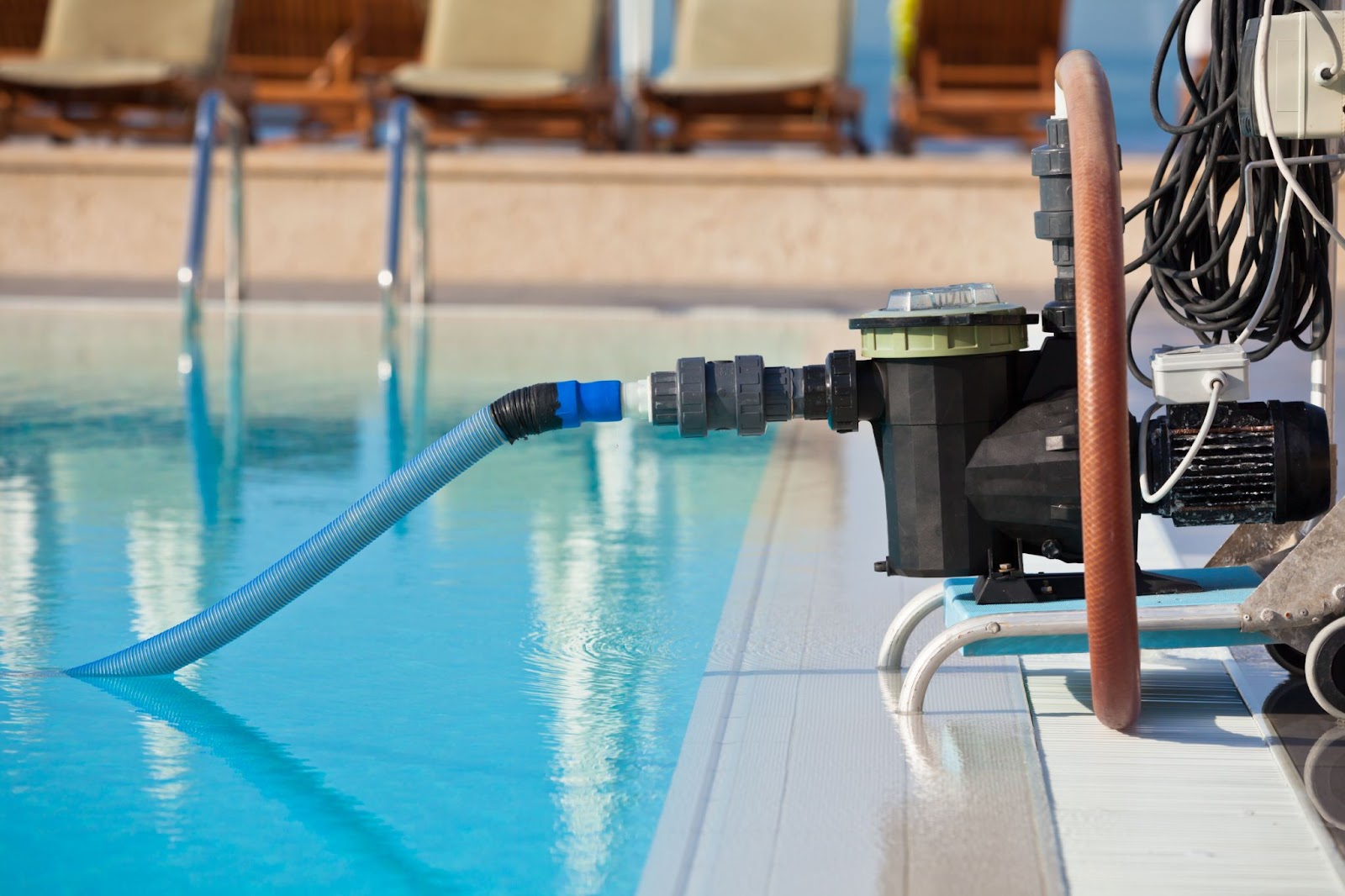
A swimming pool requires consistent care, and a reliable pump is central to its smooth functioning. Each buyer must understand that the right pump influences water clarity, circulation speed, and long-term maintenance costs. Careful evaluation helps homeowners prevent future problems and ensures the pool remains comfortable and safe.
Well-chosen pool pumps reduce strain on filtration systems and enhance overall performance. Pool owners can enjoy clean water without unnecessary effort when the pump works efficiently. This makes it essential to review key factors before making a final purchase.
Pump Size and Horsepower Selection
Pump size plays a major role in maintaining healthy water circulation. A pump with too much power can increase energy use, while a weak pump can lead to cloudy water. Buyers must consider the pool’s dimensions, depth, and average usage to determine ideal horsepower.
Accurate sizing protects the filtration system and supports consistent flow. This balance helps maintain a refreshing environment and reduces mechanical wear. A properly matched pump ensures stable performance throughout the pool season.
Key Features That Support Strong Pump Performance
Durability, Efficiency, and Flow Capacity:
Certain technical features significantly influence a pump’s long-term value. Buyers should look at:
- Material strength that ensures the pump stands up to regular water pressure.
- Flow capacity that matches the pool’s circulation needs.
- Energy usage that supports lower monthly utility costs.
Attention to these features helps buyers choose equipment that performs dependably. Strong construction and balanced flow rates make pool care easier and more efficient.
Noise Level Considerations
Noise level is a practical factor that affects comfort around pool spaces. A loud pump can disrupt relaxation and create an unpleasant environment for families or guests. Many advanced pumps now include noise control technology to maintain quiet operation.
A peaceful outdoor area adds to the swimming experience. So, choosing a unit designed for low sound output ensures the pool area stays serene. This detail may seem small, but it can significantly elevate the enjoyment of poolside activities.
Maintenance Demands and Long-Term Care
Maintenance needs vary among pump models. Some designs require frequent attention, while others incorporate parts that simplify routine upkeep. Buyers benefit from understanding how complex the maintenance tasks are before making a purchase.
Simple access points, quality seals, and durable materials reduce repair needs. Pumps built for easy servicing provide longer life and fewer interruptions. This leads to cost savings and smoother pool management throughout the year.
Installation Requirements for Secure Setup
Electrical Load, Space, and Connectivity Factors:
Installation details must be reviewed to avoid future complications. Buyers should evaluate:
- Electrical load capacity to support safe operation.
- Space availability near the pool system.
- Connection compatibility with current filtration equipment.
Proper installation ensures optimal functioning and reduces the chance of system failures. A pump suited to the existing setup will run smoothly and require fewer adjustments over time.
Hence, well-selected pool pumps are essential for maintaining a clean, balanced, and enjoyable swimming pool. Careful evaluation of size, features, noise level, maintenance needs, and installation requirements helps buyers make smart choices. Thus, with the right pump, pool care becomes easier, and the water stays inviting throughout the season.