Setting Up Tech Spaces That Reduce Stress and Improve Workflow
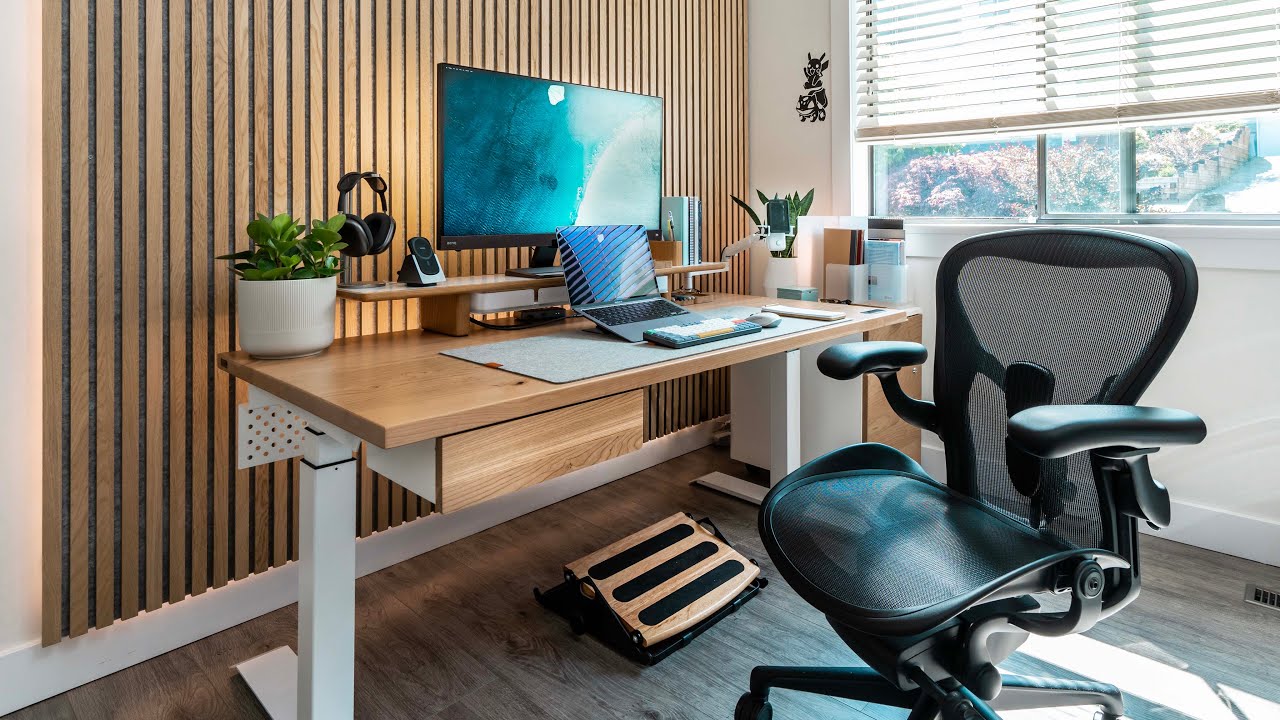
Most people think tech stress comes from software, notifications, or endless emails. In reality, a lot of that stress starts with the physical environment where technology lives. Screens glow, cables sprawl, and devices quietly compete for attention all day long. When a tech space feels chaotic, the brain stays on edge even before work begins.
Looking at tech setup as an emotional environment rather than a technical one changes how people approach it. Calm tech spaces are designed to lower background tension so focus comes easier. Even small choices, like taming cable clutter with tools such as a Velcro cord tie, play a role in reducing visual noise that pulls attention away from what matters.
The goal is not a perfectly styled desk or a showroom worthy setup. The goal is a space that lets technology fade into the background so thinking can move to the front.
Designing for Nervous System Comfort
Every tech space sends signals to the nervous system. Bright lights, tangled cords, and crowded surfaces suggest urgency and disorder. Softer lighting, clear surfaces, and predictable layouts signal safety and control.
This is why many productive tech users focus first on how a space feels rather than what it contains. They choose warm, indirect lighting over harsh overhead glare. They position screens so the eyes do not constantly refocus between bright and dark zones.
When the nervous system feels settled, mental energy lasts longer. This approach borrows from principles used in workplace wellness and environmental psychology, where surroundings are designed to reduce stress responses rather than trigger them.
Reducing Visual Noise from Technology
Technology brings unavoidable complexity. Power cords, adapters, peripherals, and chargers multiply quickly. When these elements remain visible and disorganized, they quietly tax attention.
Reducing visual noise does not require hiding everything. It requires grouping and intention. Cables that run together should look like they belong together. Devices not used daily should leave the desk surface.
Many people underestimate how much clarity matters. A clear line of sight across a desk helps the brain settle into one task at a time. When the eye does not jump from object to object, the mind follows.
Workflow Begins with Physical Flow
Workflow is often discussed in software terms, but physical movement matters just as much. How you reach for devices, how often you swivel, and how far your eyes travel all affect mental fatigue.
A calm tech space supports natural motion. Keyboard, mouse, and screen align so the body stays neutral. Frequently used devices stay within easy reach. Rarely used tech moves farther away or out of sight.
This physical flow reduces micro interruptions. Each time the body strains or the eyes search, focus fractures slightly. Over a full day, those fractures add up.
Cable Management as Cognitive Relief
Cable management is not about aesthetics. It is about predictability. When cables go where you expect, they stop asking for attention.
Loose cords signal unfinished business. They tangle, collect dust, and complicate cleaning. Secured cables form clear paths that the brain can ignore.
Grouping power cords separately from data cables also improves troubleshooting and upgrades. When something fails, you know where to look. This reduces frustration and saves time, which lowers stress.
Lighting That Supports Long Sessions
Tech work often stretches longer than planned. Lighting choices determine whether those hours feel manageable or draining.
Natural light is ideal, especially when it enters from the side. It keeps eyes alert without glare. When natural light is limited, layered lighting works best. Soft ambient light fills the room, while task lighting focuses on specific areas.
Cooler light supports alertness during intense work periods. Warmer light helps wind down when the day ends. Understanding how light affects circadian rhythm is key. Health experts from Harvard Medical School explain how light exposure influences sleep and stress.
Creating Boundaries Between Tech and Life
One overlooked source of tech stress is blurred boundaries. When devices sprawl into living spaces, the brain never fully powers down.
Calm tech environments define edges. Work devices stay in one zone. Personal devices stay in another. Even in small homes, these distinctions matter.
When the workday ends, physically leaving the tech space signals closure. The brain recognizes the transition and shifts gears more easily. Over time, this separation reduces burnout and improves overall focus.
Sound Control as Part of the Setup
Sound shapes tech stress more than most people realize. Keyboard clicks, fan noise, and background chatter all add to cognitive load. Soft background sound can mask distractions without demanding attention. Consistent sound is easier for the brain to ignore than unpredictable noise.
Some people benefit from quiet, while others prefer gentle ambient noise. The key is control. When you choose the sound environment, stress drops because surprises disappear. Research into sound and productivity, including studies referenced by the American Psychological Association, shows how noise levels influence focus and emotional regulation.
Letting Technology Serve, Not Dominate
The healthiest tech spaces share one trait. Technology feels supportive rather than demanding. Devices wait quietly until needed. Cables stay contained. Screens do not dominate every surface.
This balance comes from thoughtful subtraction. Removing unused devices. Disconnecting redundant chargers. Simplifying rather than adding.
When technology stops shouting visually and physically, the mind relaxes. Workflow improves not because tools changed, but because the environment stopped competing for attention.
In the end, a calm tech space is not about control. It is about trust. Trust that everything is where it belongs. Trust that when you sit down, the space will support you. That quiet confidence is what turns a tech setup into a place where real work can happen.