What Are the Most Reliable Protections Against Corrosion in PEX Pipes?
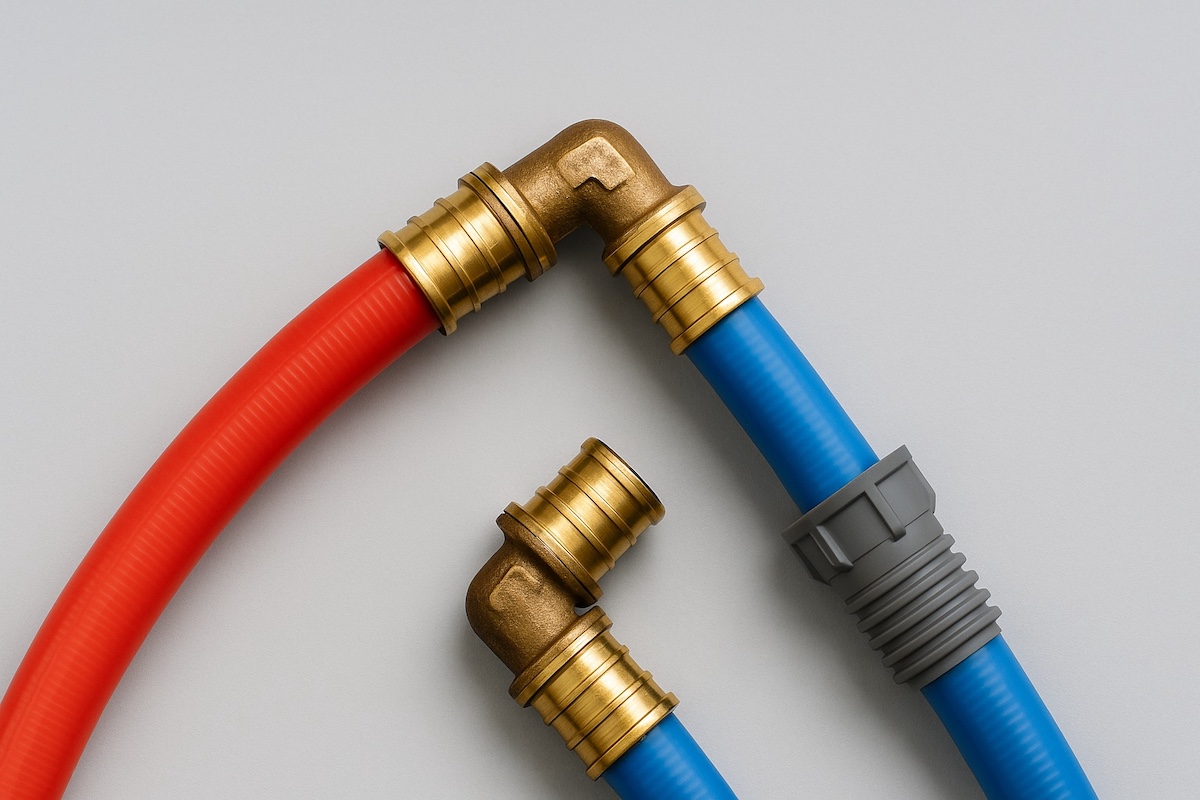
PEX pipes have changed how modern plumbing systems handle corrosion. Unlike metal pipes that rust and weaken over time, PEX resists many forms of chemical and environmental damage. However, certain conditions can still shorten its lifespan if left unprotected. The most effective protections against corrosion in PEX pipes involve preventing chemical reactions, isolating metals, and maintaining stable water conditions.
Homeowners and contractors who understand these protections can keep plumbing systems in good condition for decades. Each method, from using oxygen barrier tubing to adding insulation for outdoor lines, plays a part in preserving pipe strength and water quality. This article explains how these measures work together to protect PEX systems from corrosion.
Use of oxygen barrier PEX tubing to prevent oxidative degradation
Oxygen barrier PEX tubing helps stop oxygen from entering closed-loop heating systems. Without this barrier, oxygen can react with metal parts such as pumps or valves, which may cause rust and shorten their life. The barrier layer acts as a shield that keeps oxygen out of the circulating water.
This type of tubing uses a thin layer, often made from EVOH, that limits oxygen diffusion through the pipe wall. As a result, the system water stays stable and clean, reducing the chance of corrosion or mineral buildup. Many hydronic heating setups rely on this protection to maintain consistent performance.
Homeowners or contractors can buy oxygen barrier PEX online for radiant floor heating or other closed systems. It suits projects that use steel or iron components, where oxygen exposure can cause damage. Using this tubing supports longer system life and steady operation with less maintenance.
Installation of dielectric unions to separate PEX from metal fittings
A dielectric union helps prevent corrosion where PEX connects to metal pipes. It separates the two materials with a non-conductive barrier that blocks electrical current between them. This barrier stops the reaction that causes one metal to corrode faster than the other.
Installers usually place the dielectric union between the metal fitting and the PEX adapter. The union includes a sleeve and washer made from rubber or plastic, which keeps the metals apart. This setup helps maintain water quality and extends pipe life.
Proper tightening of the fittings prevents leaks and keeps the joint secure. After installation, a quick pressure test confirms that the connection holds without water loss. Therefore, using dielectric unions in mixed-material systems reduces the chance of corrosion and supports long-term plumbing performance.
Application of corrosion-resistant PEX fittings made from engineered polymers
PEX fittings made from engineered polymers such as polyphenylsulfone (PPSU) or polypropylene resist corrosion far better than traditional metal fittings. These polymers do not react with water disinfectants or minerals, so they maintain their structure and performance over time. This stability helps prevent leaks and contamination in plumbing systems.
Manufacturers design these fittings to handle high temperatures and pressures common in both residential and commercial systems. Their chemical resistance allows them to perform well in areas with chlorinated water, where metal fittings might corrode or weaken.
In addition, polymer fittings weigh less than metal ones, which makes them easier to install and transport. They also resist scale buildup, which helps maintain water flow and system efficiency. For many builders and plumbers, these features make polymer fittings a practical choice for long-term corrosion protection in PEX piping networks.
Regular water pH monitoring and adjustment to avoid acidic conditions
Water that becomes too acidic can slowly wear away PEX fittings and metal parts in a plumbing system. Regular checks of pH levels help detect early changes before they cause damage. A balanced pH keeps the water gentle on pipes and maintains safe drinking quality.
Technicians often test water at different points in the system to confirm a stable range between about 7.0 and 8.0. This range helps prevent corrosion and reduces the chance of metals leaching into the water. If the pH falls below this level, the water may start to dissolve protective layers inside the pipes.
Adjustments may involve small doses of neutralizing agents such as soda ash or lime. These materials raise the pH to a safer level without affecting taste or safety. Regular records of pH readings help track long-term trends and guide any needed treatment changes.
Consistent pH control supports the durability of PEX systems and reduces maintenance costs over time.
Protective insulation layers for outdoor or exposed PEX piping
Outdoor or exposed PEX pipes face damage from sunlight, temperature shifts, and moisture. A protective insulation layer helps reduce these risks and keeps the system stable. Foam or rubber insulation sleeves fit tightly over the pipe and create a barrier against heat loss and freezing.
Polyethylene foam is light and easy to cut, which makes it suitable for most residential uses. Rubber insulation resists UV rays and weather better, so it lasts longer in outdoor areas. Both types help maintain consistent water temperature and reduce stress on the pipe material.
Pre-insulated PEX products also exist for areas with severe climates. These come with a built-in insulation layer that saves installation time and adds extra protection. In addition, sealing joints and ends with weatherproof tape or covers prevents water or debris from entering the insulation.
Proper insulation helps extend pipe life and supports steady performance in exposed settings.
Conclusion
PEX pipes resist corrosion because their cross-linked polyethylene structure does not react with water or oxygen. This stability helps them last longer than metal pipes that rust or scale over time.
They also avoid mineral buildup, which supports consistent water flow and reduces maintenance costs. As a result, systems that use PEX often maintain performance even in areas with aggressive water conditions.
Proper installation and quality fittings further protect these pipes from external damage. By following manufacturer guidelines and using compatible materials, users can extend the service life of PEX plumbing systems.
In short, PEX offers a durable and low-maintenance solution for modern plumbing needs. Its corrosion resistance, flexibility, and long lifespan make it a dependable choice for safe and efficient water delivery.