How AI Agents Transform Freshdesk Workflows in 2025
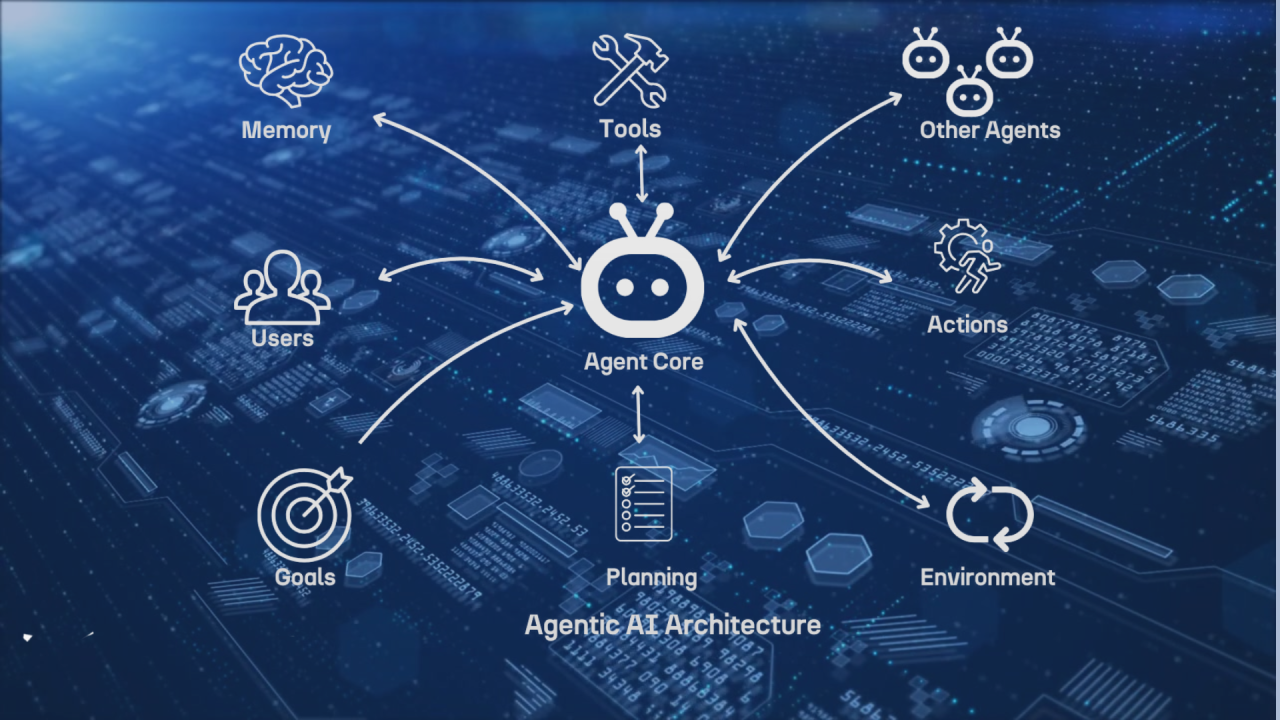
Freshdesk changed the way customer support teams manage requests by bringing tickets, automations, and communication into a unified platform. For years, many teams relied on macros, canned responses, and manual routing rules to keep operations moving. It worked well at smaller volumes. But customer expectations changed, complexity increased, and global support demand surged. Teams began to realize that automations were not enough. What they needed was autonomy.
This is where the industry shift from traditional support tooling to AI agents is taking hold. The role of AI in helpdesk environments has matured significantly. The focus is no longer on chatbots sitting on a website trying to answer questions. It is about embedded agents operating inside the helpdesk environment, taking actions that accelerate resolution, improve accuracy, and lighten the cognitive load on support teams.
Freshdesk users have seen an explosion of innovation in this space. AI agents are beginning to understand ticket context as soon as it enters the queue, classify it, extract key data, route it intelligently, and even resolve it when a predefined policy and knowledge context confirm accuracy. The result is not only faster support but a shift in how teams think about operations. It is less about pushing tickets through the system and more about orchestrating intelligent workflows that scale.
For support leaders evaluating these capabilities, the most effective way to validate how agents perform is to go hands-on and learn more about the platform in real environments that connect directly to Freshdesk. Testing gives clarity, removes marketing noise, and shows how well an AI system behaves inside the actual ticket lifecycle instead of only answering chat questions on a website.
Why Freshdesk Is the Ideal Environment for AI Agents
Freshdesk has long been valued for its flexibility and ease of adoption. Teams could scale their support processes with custom fields, routing rules, and automations. That foundation makes it a natural ecosystem for AI to operate inside. Good AI does not replace tools like Freshdesk. It enhances them. It adds intelligence where rules plateau.
The modern AI agent does not offer broad abstract help. It does the exact tasks that support teams do every single day. Instead of only suggesting answers, it can trigger workflows, create notes, tag accurately, move status forward, and escalate cleanly. When performed well, these actions remove hours of repetitive manual work while improving consistency.
This matters because support volume is becoming more complex, not just larger. Customers expect accurate, policy-aligned answers. Organizations expand across more products and regions. Compliance and security expectations grow. Freshdesk users need automation that thinks, not only automation that triggers.
Where AI Agents Add the Most Value in Freshdesk
If you ask support leaders to list the most time-consuming tasks inside the Freshdesk environment, patterns emerge quickly. Tagging. Classification. Gathering customer details. Checking policy rules. Following repetitive troubleshooting sequences. Updating ticket status. Nudging customers for missing information. Confirming eligibility for refunds or account modifications.
These are essential steps, but not strategic work. AI agents help resolve this imbalance by absorbing high-volume tasks so support teams can take on more complex interactions.
The most successful automations inside Freshdesk are simple in concept: free humans from repetitive execution so they can focus on judgment, empathy, and problem-solving.
What AI Agents Actually Do in Freshdesk
Here is the one list in this article. These are real actions AI agents now perform inside Freshdesk to drive operational efficiency and resolution:
AI agents now help Freshdesk teams to do these things:
- Auto-classify and tag incoming tickets based on context.
- Extract structured information from free-form customer messages.
- Trigger correct workflows without manual setup each time.
- Draft accurate replies for agent review.
- Apply resolution steps and update ticket status when rules are met.
- Escalate to human agents with context when uncertainty appears.
The Difference Between Chatbots and Freshdesk Agents
A chatbot sits at the edge of the support experience. An AI agent sits inside it. Instead of trying to guess answers, it draws from verified knowledge and structured workflows. Instead of trying to be creative, it aims to be correct. Instead of operating alone, it works alongside support teams.
Chatbots attempted to replace human interaction. AI agents amplify human capability.
Freshdesk users who adopt this model report higher agent confidence, faster onboarding, and less operational fatigue because AI assists at the exact point where repetitive work occurs.
How to Evaluate AI Inside Freshdesk Instead of Relying on Marketing
The most successful adoption does not start with abstract promises. It starts with testing real ticket scenarios inside Freshdesk. Teams should begin by connecting knowledge sources, observing how agents classify and route tickets, and reviewing the clarity of AI recommendations.
This approach prevents overconfidence and ensures that AI performance aligns with policy rules, compliance guardrails, and brand voice. It also shows whether the system understands Freshdesk objects, fields, and workflows in real life, not only in marketing videos.
The Role of Human Supervision
AI inside Freshdesk is not a replacement for human judgment. It is a collaborator. Human oversight ensures responsible automation. The best systems prioritize safe defaults, transparency, and intelligent handoffs. If an interaction contains emotion, legal implications, or unclear context, the agent should escalate immediately. That is the mark of intelligent automation, not weakness.
In practice, this approach builds trust. Agents see AI as a support partner, not a threat. Leaders see AI as a reliability layer, not a risk. And customers experience consistent, accurate, and timely resolutions.
Industry Momentum Supports the Shift
Analysts have observed the same pattern. AI is evolving from answering questions to executing work. According to Gartner research, support teams that pair human supervision with structured AI automation achieve higher resolution rates and faster customer experience improvements than those relying only on generic conversational models. This trend reflects a maturing of the industry, where execution and workflow integration now matter more than novelty.
Looking Ahead. What This Means for Freshdesk Teams
Freshdesk users are uniquely positioned to benefit from AI agents because the platform encourages clarity and operational design. Teams that already use structured routes, macros, and workflows will find that AI accelerates everything they built rather than replacing it.
Looking forward, we will see more AI agents managing backlog, preparing responses before agents even open tickets, suggesting the right workflows for unusual cases, and improving with every interaction.
Support organizations that adopt this mindset early will scale faster, keep quality high during peak cycles, and deliver consistent responses without burning out their teams.
Final Thoughts
AI inside Freshdesk is not about futuristic automation. It is about practical process improvement. The systems that win are the ones that work quietly, reliably, and accurately in the background of daily operations. A world where AI agents handle structured work frees humans to handle meaningful work. In 2025, that balance will define the most successful customer support teams.
Support leaders do not need more complexity. They need clarity, trust, and operational lift. AI agents in Freshdesk provide that by handling repeatable tasks, enforcing consistency, and letting humans do what humans do best. The transition has begun. The benefits are real. Now the work begins to scale it responsibly and thoughtfully inside everyday workflows.