Why Outdoor Gross Motor Activities Are Essential for Physical Development?
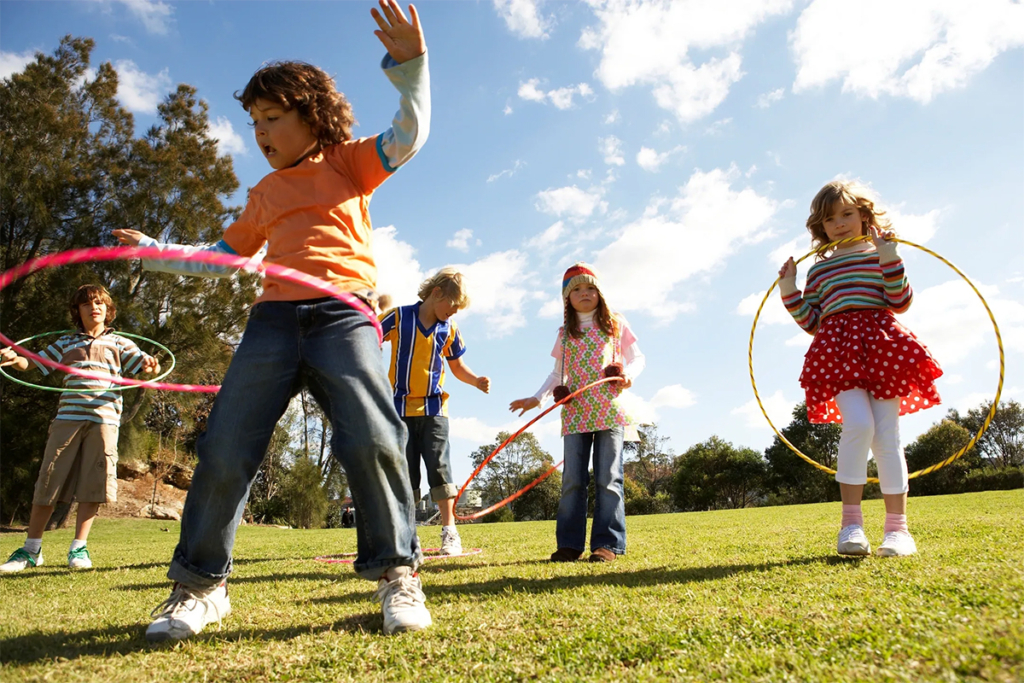
Children grow stronger and more capable through active movement in natural spaces. Outdoor gross motor activities invite them to explore, move, and develop important physical abilities that support lifelong health. These experiences help children build coordination, balance, and strength while forming a positive connection with being active.
Through motion, challenge, and fresh air, children discover how their bodies work in harmony with the world around them. Natural settings create opportunities for growth that indoor environments often cannot match. Each step, jump, or climb contributes to steady physical development and greater body confidence.
Improves coordination through activities like running and climbing
Outdoor spaces give children the freedom to move and build body control. Activities such as outdoor gross motor activities help children connect movement with balance and spatial awareness. Simple actions like running across a field or climbing a small structure train both muscles and the brain to work together.
Each movement requires focus, timing, and quick body adjustments. As a child runs, the shifting ground demands attention to foot placement and rhythm. Climbing uses arms, legs, and hands in coordinated ways that strengthen core stability and confidence in movement.
These experiences improve coordination over time because they repeat natural patterns of action. Different surfaces, levels, and distances in outdoor settings add useful variety that indoor environments often lack. Through these activities, children learn to judge space, adjust their speed, and react smoothly to changes in their surroundings.
Improves balance by navigating varied outdoor terrains
Outdoor environments often include uneven ground, slopes, rocks, and natural obstacles. These features encourage children to steady their bodies and adjust their weight as they walk, jump, or climb. Each small shift helps their muscles work together to keep them upright.
Uneven surfaces require different foot placement and body control compared to flat floors. As children step over roots or move across gravel, they must think about where to place their feet next. This active adjustment sharpens coordination and builds stronger leg and core muscles that support stable movement.
In addition, outdoor play helps children become more aware of their body position. The constant need to adapt to changes in surface texture or angle improves their ability to stay balanced in daily activities. Over time, practicing balance on varied terrains develops both confidence and skill in physical movement.
Strengthens large muscle groups via jumping and climbing
Jumping and climbing use large muscles in the legs, arms, and core. These activities help children gain power, balance, and better control of their bodies. Each movement challenges muscles to support body weight, which naturally increases strength over time.
Children who jump over small obstacles or climb playground structures use coordination and problem-solving together. Their muscles stabilize joints and allow smoother, more confident movement. As a result, they build both physical skill and awareness of how their bodies move through space.
Outdoor areas give children more space to climb, leap, or hang from bars compared to indoor settings. This environment adds variety and helps them build endurance and coordination. Regular practice of these movements supports better posture, improves motor control, and prepares children for sports and other active play.
Encourages sensory development through natural environment exposure
Outdoor activities help children explore textures, sounds, and sights that indoor settings cannot provide. Grass underfoot, the sound of birds, and the rough feel of tree bark engage multiple senses at once. This natural variety builds stronger sensory awareness and responsiveness.
Different surfaces such as sand, soil, and pavement challenge balance and coordination. Children learn how their bodies react to each surface, which strengthens both sensory and motor control. The fresh air, sunlight, and natural scents also support alertness and emotional balance.
Through active movement in open spaces, children process a range of sensory input more effectively. They adjust to changes in light, temperature, and sound, which helps them develop better focus and reaction skills. As a result, they grow more comfortable navigating their surroundings with confidence.
Builds physical confidence with free and unstructured play
Children gain physical confidence as they move freely without strict rules or directions. Open spaces let them try ideas on their own, test limits, and adjust their movements. This sense of control helps them trust their bodies and abilities in new situations.
In unstructured play, mistakes turn into learning opportunities. A child who slips while climbing learns balance more effectively than through guided drills. Each new success builds assurance, and that confidence often carries over into other tasks that require coordination or focus.
Free play also encourages creative problem-solving. Children find new ways to move, such as jumping across uneven ground or balancing on natural materials. As a result, they strengthen muscles, refine coordination, and gain steady posture.
Outdoor environments support this process naturally. Grass, rocks, and slopes present physical challenges that promote skill growth. Over time, consistent practice in these spaces helps children move with greater control and belief in their physical abilities.
Conclusion
Outdoor gross motor activities help children build strength, balance, and coordination. These physical skills support daily tasks such as walking, lifting, and climbing, which shape healthy growth patterns from an early age.
Natural environments give children space to move freely and test their limits. Through active play, they learn body awareness, self-control, and confidence in movement.
Regular outdoor exercise also supports overall well-being. It reduces restlessness, improves focus, and encourages lifelong physical habits that contribute to health and independence.
All activities should be age-appropriate and supervised by an adult. If you have concerns about your child’s motor development, consult a pediatrician or therapist.