What to Expect When Visiting a Specialized Vein Clinic
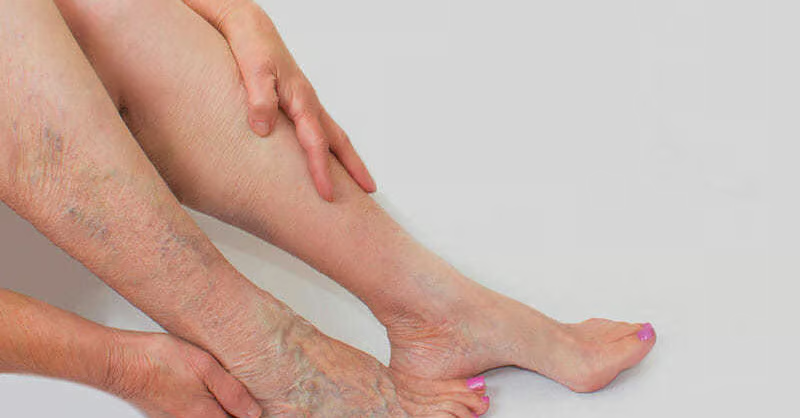
Vein clinics specifically cater to those suffering from vein health issues. Such centers create a homelike environment focused on putting a patient at ease and achieving the desired treatment outcome. When you visit such a clinic for the first time, you might have questions about the process that takes place at each stage. It can be less nerve-wracking when you know what to expect.
Initial Consultation and Registration
When you get to a vein clinic, the typical process starts with registering. Patients enter background, history, and present symptoms. Staff try to provide a supportive environment to address questions they may have. After this, a brief wait might proceed to an appointment with a vein specialist. Since you may have to visit the clinic for further treatment, it is best to choose a local center. For instance, residents of Nashville must seek treatment from a reputable vein clinic in Nashville for convenience.
Comprehensive Medical Evaluation
A detailed evaluation typically follows registration. The specialist asks about symptoms, family history, and any previous vein issues. This discussion helps identify potential risk factors and underlying causes. A physical examination of the legs or affected areas comes next, focusing on visible veins, swelling, or discoloration.
Diagnostic Tests and Imaging
Specialists use non-invasive diagnostic tools for an accurate diagnosis of vein problems. Ultrasound imaging will not only show us blood flow but also the structure of blood vessels. The process is also pain-free and assists in locating blockages, valve issues, or blood clots. These tests guide the next moves in treatment planning.
Personalized Treatment Plan
After examining the test results and physical findings, the specialist discusses a treatment plan. These can include lifestyle modifications, compression therapies, or even minimally invasive procedures. Every plan is personally tailored to meet specific needs, taking into account health and lifestyle choices. The specialist lays out each of the choices available and describes the benefits and possible risks.
Minimally Invasive Procedures
Most vein clinics specialize in minimal-downtime procedures. Common treatments include sclerotherapy, laser ablation, or radiofrequency ablation. These approaches focus on sick veins without large-scale surgical treatment and are usually done in the office. Patients will report mild discomfort and will return to their normal activities soon after the process.
Patient Education and Support
Vein education is a crucial aspect of vein care. Experts offer advice on vein health, prevention techniques, and how to relieve symptoms from home. This aspect may include advice on being at a healthy weight, being active, and the use of compression stockings. Continuous support brings confidence to patients in controlling their illness.
Follow-Up Visits and Monitoring
Regular follow-ups will keep track of the progress and will find out if any new problems arise. Experts track any healing and determine how well the treatment is working on these visits. Changes to therapy can be modified depending on how you progress and if your symptoms change. Ongoing communication ensures that patients are updated and less anxious during their care path.
Comfortable and Professional Environment
Typical of specialized clinics, the environment is calm and professional. Because they know how sensitive vein troubles can be, staff members ensure that everyone who enters their doors is comfortable and their privacy is taken care of. Having clean, modern facilities makes for a more reassuring, comfortable experience with each appointment. The heartbeat of every successful event is in attention to detail, which leads to a seamless experience from start to finish.
What Patients Can Prepare
We can do better when we prepare for an appointment. Loose and comfortable clothing makes it easy to access the legs or other areas you are examining. A copy of medications, allergies, and previous treatments helps the specialist gather the information needed. Get there a few minutes early, too. This reduces stress and prevents the feeling of being rushed.
Emphasis on Long-Term Wellness
Vein health often requires ongoing attention. Clinics encourage patients to adopt habits that support circulation and reduce the risk of future issues. Staying active, elevating the legs, and avoiding prolonged sitting or standing can all contribute to better outcomes. Specialists remain available for advice and continued care as needed.
Conclusion
One visits a specialized vein clinic for a comprehensive patient-centered experience. These clinics emphasize not only clear and effective treatments but also follow-up care, from initial evaluation to ongoing support. Familiarizing oneself with each step of the visit can help a person approach it prepared and confident, knowing that they are seeking solutions to improve their vein issues.