What Sets Responsive HVAC Professionals Apart
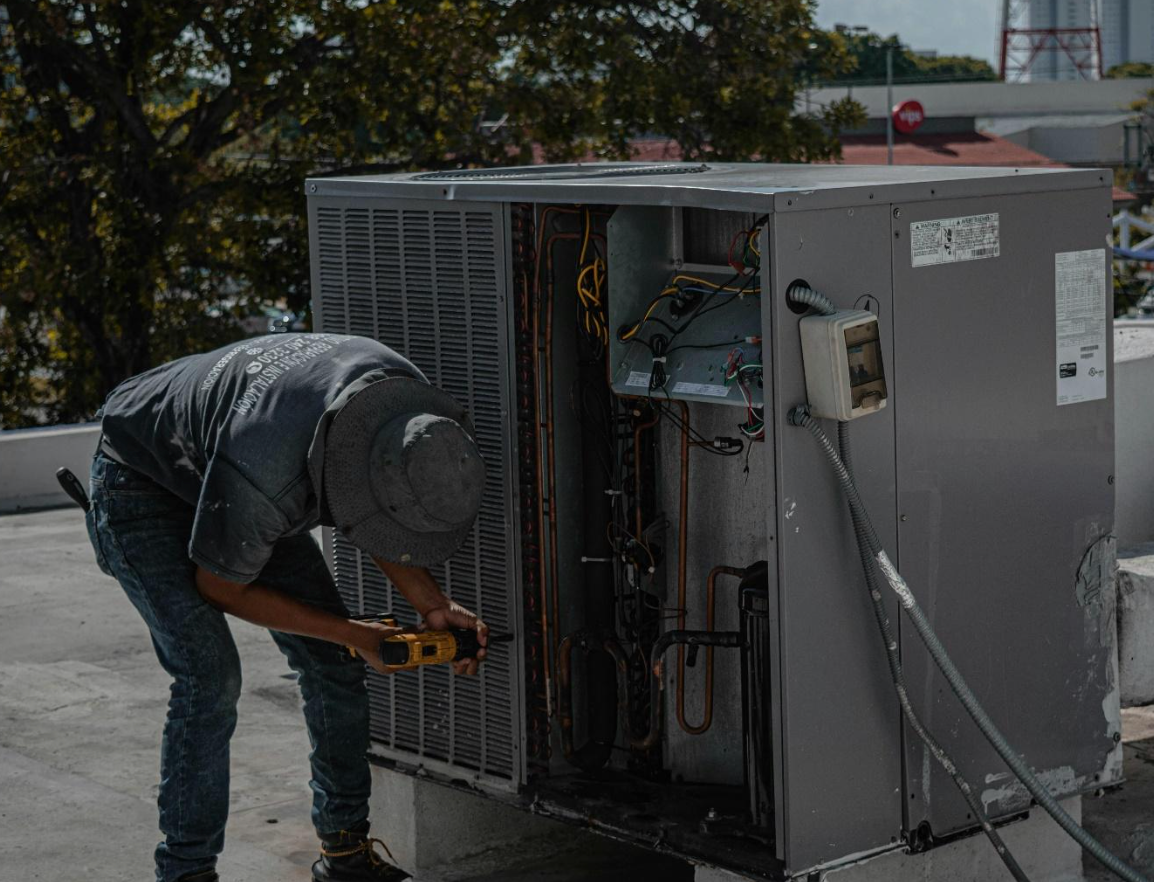
Ever had your HVAC system fail at the exact moment the house was already uncomfortable, and suddenly every minute felt longer than it should? It’s usually not the breakdown itself that sticks with people. It’s the waiting. The not knowing who will show up, or when, or whether the explanation will make sense once they do.
In New Orleans, comfort can disappear fast. Heat settles in early, and humidity hangs around longer than anyone wants. Sudden storms push systems harder than they were meant to run day after day. When the air stops moving or cooling slips even a little, it’s felt right away. In a place like this, waiting hours for help isn’t just inconvenient, but it changes how a space feels, and how quickly frustration sets in.
Responsiveness Starts Before the Service Call
Most people think responsiveness begins when the phone is answered. In reality, it starts earlier. It shows up in how clearly expectations are set, how time windows are explained, and whether someone sounds prepared or rushed. Even small cues matter. A clear explanation beats a fast promise every time. When professionals understand the urgency people feel, they don’t minimize it or overreact. They acknowledge it. That balance builds trust quickly.
Where Accountability and Timing Intersect
Once the call is made and the appointment is set, the real test begins. Responsiveness shows in punctuality, but also in preparation. Arriving on time means less if the technician still needs to figure out what’s going on from scratch.
Professionals who stand out tend to arrive informed. They’ve reviewed notes. They ask focused questions. They don’t treat every situation like a generic problem. That efficiency respects the customer’s time and reduces guesswork. When you work with reliable service providers like One Hour Air Conditioning & Heating® of New Orleans, you can rest assured that not only will the experts understand your concerns, but they’ll also address them promptly to ensure lasting performance.
Communication That Doesn’t Create More Stress
Technical knowledge matters, but how it’s communicated matters just as much. People don’t want a lecture when their comfort is gone. They want clarity. Simple explanations. Honest timelines.
Responsive professionals avoid jargon unless it’s necessary, and when it is, they explain it plainly. They don’t rush through options or hide uncertainty behind confident-sounding phrases. That transparency lowers stress, even when the news isn’t great.
There’s also a follow-up aspect that gets overlooked. A quick check-in after service, or clear instructions on what to watch for next, goes a long way. It tells people they weren’t just a time slot on a schedule.
Flexibility Without Chaos
Responsiveness doesn’t mean constant availability or unrealistic promises. It means flexibility within a HVAC system that still holds together. Emergency calls happen. Schedules shift. Weather changes plans. The difference lies in how those changes are handled. Professionals who communicate delays early and explain why tend to keep trust intact. Those who disappear or give vague updates lose it quickly. Flexibility supported by planning feels intentional. Flexibility without structure feels chaotic. Customers can tell the difference, even if they can’t describe it.
Respect for the Space and the Situation
Another marker of responsiveness is how professionals move through someone’s space. Small things matter here. Shoe covers. Cleaning up. Asking before adjusting settings. These actions signal awareness, not just politeness. They also show respect for the disruption the service call already caused. No one schedules these visits for fun. Recognizing that and minimizing additional inconvenience builds goodwill that lasts beyond the appointment. This kind of awareness often comes from experience. It’s learned by paying attention to how people react, not just how HVAC systems respond.
Why Speed Alone Isn’t the Goal
Fast service is valuable, but speed without accuracy creates more problems later. Responsive professionals don’t rush diagnoses. They balance urgency with care. That balance prevents repeat visits and lingering issues.
It’s tempting to focus on quick fixes, especially when pressure is high. But long-term comfort depends on getting it right the first time. Taking a few extra minutes to check related components or explain preventative steps can save hours down the line. People remember when problems are solved on time and for how long the system continues to function without complaints. They also remember when they don’t.
The Role of Consistency Over Time
Responsiveness isn’t proven in one visit. It shows over time. In how records are kept. Whether past issues are remembered. Whether advice stays consistent or shifts every time someone new shows up.
Consistency makes responsiveness sustainable. It turns individual good experiences into a pattern people can rely on. Without it, even excellent technicians struggle to build trust. This is where service models and company culture matter. Individual effort can only go so far without support.
How Changing Expectations Shape Service
Consumer expectations have changed. People are used to real-time updates, clear windows, and follow-through. They don’t expect perfection, but they do expect honesty and respect for their time.
Responsive professionals adapt to this without losing the human element. Automated messages help, but they don’t replace real communication. Technology supports responsiveness best when it stays in the background. What matters most is that people feel informed, not managed.
When Responsiveness Becomes the Deciding Factor
In many cases, technical skill is assumed. Most professionals are capable. What separates one experience from another is how it feels when something goes wrong. Responsiveness shapes that feeling. It turns inconvenience into something manageable. It keeps frustration from escalating. It gives people confidence that they’re not being forgotten. That’s why responsiveness stands out. Not because it’s flashy, but because it steadies situations that could easily spiral.
Paying Attention to the Details That Don’t Show Up on Invoices
Invoices list parts and labor. They don’t capture tone, timing, or trust. But those details influence whether someone calls back next time or starts looking elsewhere. Responsive professionals understand this, even if they don’t talk about it. They know their work continues after the HVAC system turns back on.
In the end, what sets them apart isn’t speed alone, or friendliness alone, or expertise alone. It’s how all of those show up together, consistently, when comfort is on the line and patience is thin.