What Happens When Parents Let Kids Take the Lead on Trips

Family trips often begin with good intentions and long lists. Parents map routes, lock in activities, and try to predict what everyone will enjoy. Somewhere along the way, kids slip into passenger mode. They follow directions, show up where they are told, and wait for the next stop. Trips run smoothly, yet something feels flat. Travel changes tone once kids start shaping the experience. Decision-making no longer lives on a printed plan. Curiosity guides movement. Conversations move from instructions to ideas. Parents start noticing how children respond to unfamiliar places once given room to react freely.
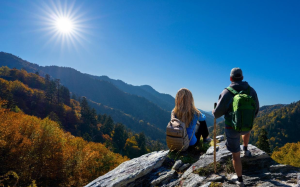
A visit to the Smoky Mountains in Tennessee highlights this. Forest trails, rivers, and open landscapes invite questions and movement rather than strict schedules. Kids notice sounds, textures, and changes in terrain. Attention stays grounded in the moment. Parents observe how leadership shows up in small choices such as choosing a trail, suggesting a stop, or asking to try something new. Letting kids take the lead does not remove parental involvement. Guidance stays present, though control loosens.
Allowing Kids to Choose Daily Activities
Once kids take part in choosing how the day unfolds, engagement shifts immediately. Mornings feel calmer. Conversations feel cooperative. Kids listen closely because their voice matters. The day carries purpose rather than obligation.
Outdoor destinations work especially well for this approach. Nature offers options without pressure. Kids gravitate toward experiences that involve motion, teamwork, and visible outcomes. Activities that require attention and coordination often hold interest longer than passive sightseeing. Water-based adventures often stand out during family trips. Rivers introduce movement, challenge, and shared focus. Kids feel involved rather than guided.
Rafting in Tennessee is a perfect example of this. Families visiting the Smoky Mountains often discover how river trips change family roles without formal discussion. Outfitters such as Smoky Mountain Outdoors create environments where kids feel capable while remaining supported. Guides explain safety clearly, though children stay active participants rather than observers.
Parents notice changes quickly. Kids pay attention to instructions because the activity matters to them. Decision-making happens in real time. Paddling together creates shared responsibility without pressure. Confidence builds through action, not praise.
Letting Interests Guide Experiences
Interests reveal themselves once schedules loosen. Some kids gravitate toward physical challenges. Others notice animals, textures, or patterns.
Parents often discover new sides of their children through this approach. A child drawn to water may request multiple river experiences. Another may lean toward forest paths or observation-based activities. Trips become responsive rather than prescriptive.
This approach removes pressure from trying to please everyone at once. Instead, families rotate focus naturally. Each interest finds space.
Seeing Destinations Through a Child’s Curiosity
Kids observe details that older individuals overlook. Cracks in stone paths, shifting light through trees, changing river sounds. Curiosity guides attention without distraction.
Destinations feel richer through this lens. Simple locations carry depth once questions replace assumptions. Parents often slow down naturally while listening to observations. Travel becomes grounded in presence rather than movement. This perspective encourages conversation without prompting. Learning happens organically through noticing rather than explanation.
Watching Confidence Grow
Confidence builds quietly through repeated choices. Choosing a trail, suggesting a stop, speaking up about interest or hesitation. Travel creates countless moments for these decisions. Kids learn how preferences connect to outcomes. Trust develops between parents and children through shared responsibility.
Confidence gained on trips often shows up later in unexpected ways. Decision-making feels familiar. Communication feels natural. Leadership feels safe.
Reducing Rigid Schedules
Rigid schedules often interrupt natural energy cycles. Child-led timing responds to attention, curiosity, and fatigue without forcing structure.
Days flow more smoothly once flexibility enters planning. Breaks happen naturally. Activities feel purposeful rather than rushed. Parents often notice fewer conflicts during trips shaped this way. Kids stay present because time feels responsive.
Allowing Kids to Navigate Culture
Cultural curiosity often shows up in quiet, unexpected ways during travel. Kids notice how people speak, dress, eat, and interact long before parents think to explain it. Letting them ask questions freely opens space for observation rather than instruction. A roadside shop, a local café, or a small-town tradition can spark interest without needing formal context.
Parents who allow kids to guide these moments often find conversations unfolding naturally. Instead of providing answers right away, listening becomes part of the experience. Kids form impressions based on interaction and exposure rather than summaries. Travel becomes a space where curiosity leads learning, and understanding grows through presence rather than explanation.
Observing New Interests Emerge During Trips
Travel environments often reveal interests that remain hidden at home. Changes in setting remove routine distractions and allow kids to explore what truly holds their attention. A child may suddenly show fascination with water movement, wildlife, or navigation. Such discoveries happen without prompting, shaped by surroundings rather than expectations.
Parents notice how quickly engagement deepens once interest appears. Time passes differently. Focus sharpens. Kids stay present longer because the experience feels self-directed. These moments often linger after the trip ends, influencing hobbies, questions, and future curiosity. Travel becomes a mirror reflecting interests still forming.
Supporting Risk Awareness Through Guided Freedom
Risk awareness develops best through experience rather than warnings. Travel offers controlled environments where kids face small challenges while supported. Whether navigating uneven terrain or participating in group activities, kids learn to assess situations through real-time feedback.
Parents remain present as guides rather than controllers. Boundaries exist, though freedom allows kids to recognize limits independently. Confidence grows alongside awareness. Kids learn how preparation, attention, and communication affect outcomes. Risk becomes something understood rather than feared, shaped by experience rather than restriction.
Encouraging Problem-Solving in Unfamiliar Settings
Unfamiliar settings naturally invite problem-solving. Directions change, plans shift, unexpected obstacles appear. Kids step into these moments once allowed to participate rather than wait for solutions. A missed turn or changed plan becomes an opportunity to think through options.
Parents who pause instead of stepping in immediately often notice creative responses. Kids suggest alternatives, ask questions, and adapt quickly. Problem-solving becomes collaborative rather than corrective. Travel creates space where thinking through challenges feels practical and relevant rather than theoretical.
Creating Family Trips Centered on Participation
Trips shaped by participation feel different from those driven by control. Decisions unfold through conversation. Movement responds to interest. Kids feel ownership over experiences rather than compliance with plans. Family dynamics shift toward cooperation without needing formal discussion.
Parents observe how trust grows naturally in this structure. Kids speak up more often. Parents listen more closely. Shared experiences carry weight because everyone contributes. Trips feel connected rather than segmented. Participation replaces instruction as the guiding force.
Allowing kids to take the lead during trips changes more than daily plans. It reshapes how families interact, communicate, and experience new places together. Leadership emerges through choice. Confidence builds through action. Curiosity guides movement rather than schedules. Travel becomes a shared process rather than a managed event. Parents shift from directing to supporting. Kids step into awareness, responsibility, and engagement naturally.