What Cocaine Addiction Does to the Brain: The Truth Matters
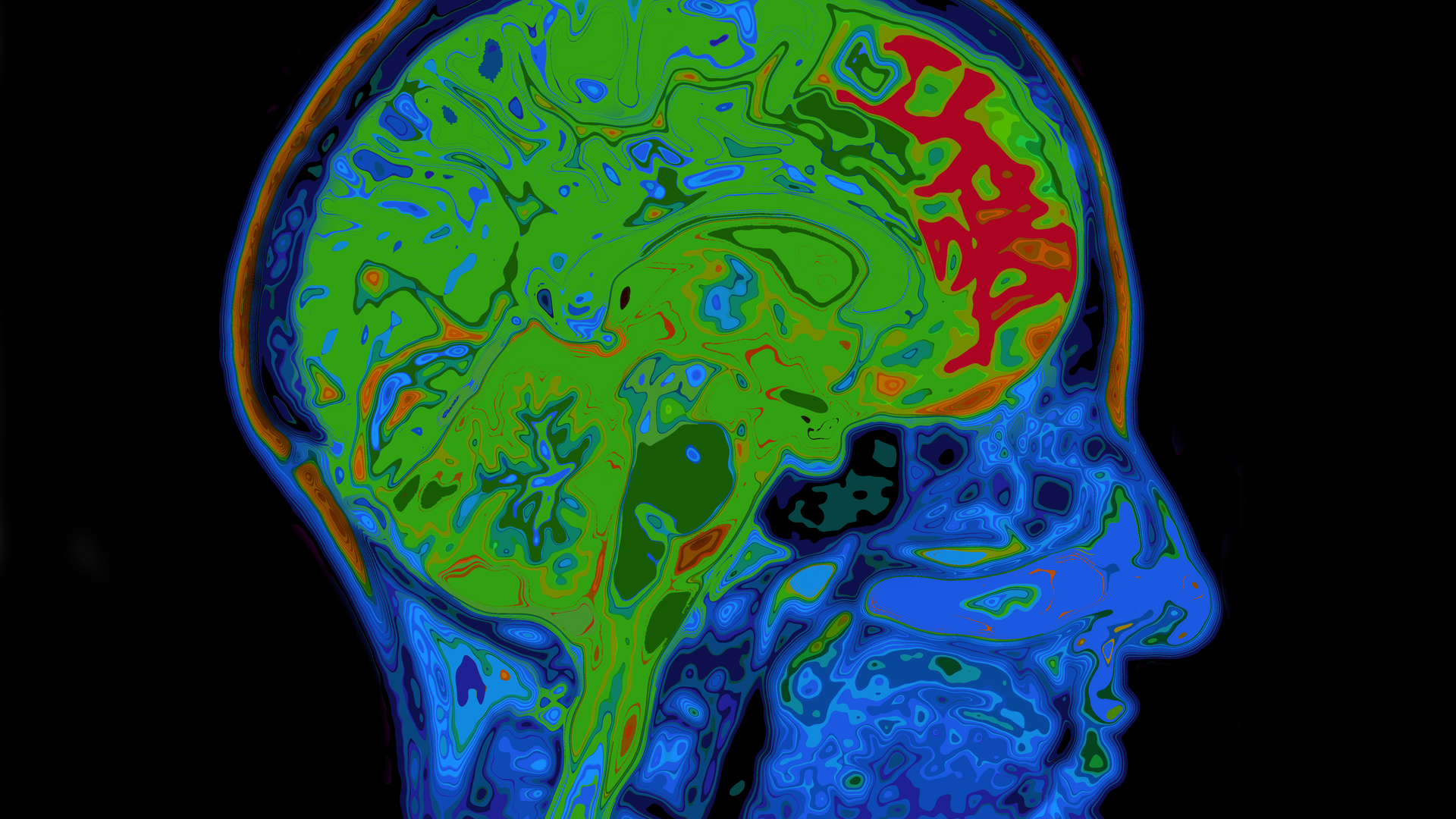
Cocaine was once considered a high-end luxury drug in the UK. It is still more expensive than other drugs, like ketamine, but it is no longer as exclusive as it once was. Cocaine is now a normal part of the UK’s nightlife scene. What’s more, the Office for National Statistics (ONS) suggests that some of the highest rates for cocaine use throughout Europe are found right here – in England and Wales.
One of the best ways to fight cocaine abuse and addiction is to complete a cocaine detox and educate as often as possible. A good topic to start with is what cocaine addiction does to the brain. It’s not pretty. And it matters because there are long-term consequences to consider.
How Cocaine Rewires the Brain
The mechanisms through which cocaine brings pleasure are the same mechanisms that make it so dangerous. As both doctors and cocaine addiction and recovery specialists know, the drug rewires the brain in three key ways:
1. Dopamine Hijack
Biology has wired the brain to reward behaviours that increase survival. Eating is a great example. Most of us feel good about eating because doing so leads to a burst of dopamine in the brain. The same dopamine production is observed in all sorts of behaviours that produce feelings of pleasure.
Countering the dopamine burst is something known as a dopamine transporter. It handles any excess dopamine so that things don’t get out of hand. Here’s where cocaine addiction becomes a problem. It interferes with the dopamine transporter. The result is:
- Dopamine Flood – When cocaine consumption causes dopamine to flood the brain’s synapses, the brain experiences a high that is far more intense than the normal feelings of pleasure associated with pleasant activities.
- Receptor Shutdown – The brain is capable of handling only so much stimulation. To protect itself from the effects of cocaine, it reduces the number of dopamine receptors available to do the work. This is called downregulation.
Here in the UK, cocaine addiction is especially troublesome thanks to our ingrained pub culture. So many cocaine users end up in a situation of being codependent on both cocaine and alcohol. Where alcohol consumption dampens brain response, cocaine increases it. So users often use cocaine to reverse the depressive nature of alcohol.
2. Loss of Grey Matter
Grey matter is critical to brain function. Unfortunately, studies have shown that chronic cocaine use is linked to gray matter loss, specifically in the prefrontal cortex area of the brain. This matters because:
- Executive Function Is Reduced – This portion of the brain acts as a control system. It is like the brakes on a car. When grey matter in this area of the brain is reduced, a person has less ability to put the brakes on his impulses.
- The Choice Gap Narrows – Less grey matter in the prefrontal cortex reduces the choice gap a cocaine user has. A user may logically want to stop, maybe because he knows he has to go to work in the morning. But he isn’t able to do so when the opportunity arises.
- Compulsion Becomes Normal – As grey matter thins, the brain shifts from goal-directed action to habitual response. Consuming cocaine stops being a choice. Instead, it becomes a reflex similar to blinking or jerking in response to pain.
The loss of grey matter explains things about cocaine addiction that we never fully understood before. But now that we know it occurs, we have a better understanding of why cocaine users do what they do.
3. The Cocaethylene Problem
Brain rewiring is especially challenging when cocaine users also indulge in alcohol. Here is the basic problem: the liver creates a metabolite known as cocaethylene when it must process both alcohol and cocaine at the same time. This is problematic for several reasons:
- Cocaethylene is more toxic to the brain and heart than mere cocaine or alcohol alone.
- Cocaethylene lingers much longer than alcohol or cocaine alone, increasing chemical stress.
- Cocaethylene increases the chances of chronic paranoia and psychosis.
Cocaethylene is a lot like a composite building material. Composites are materials made by combining two or more separate materials with desirable properties. Together, their properties are drastically improved compared to what each material offered on its own. Likewise, cocaethylene is far more effective at rewiring the brain than the individual metabolites produced by alcohol and cocaine.
Neurological Recovery Is Possible
The damage cocaine causes is not completely irreversible. Thanks to a principle known as neuroplasticity, it is possible for the brain to recover over time. Some of the damage done by cocaine can be repaired.
Most brains will return to normal dopamine production and reception at about the 90-day mark if no more cocaine is introduced into the system. With a combination of cocaine therapy and exercise, the prefrontal cortex can be retrained to behave normally.