Thermostat Installation Costs and ROI: DIY vs Pro, Typical Prices, and Payback Timelines
Key Takeaways:
- Professional thermostat installation in 2026 averages $184, with a typical range of $67–$500 depending on unit type, system complexity, and wiring needs.
- DIY installation saves $80–$200 in labor but carries real risks — voided warranties, system damage, and safety hazards — making it best suited for simple like-for-like swaps on standard systems.
- ENERGY STAR-certified smart thermostats cut heating costs by 10–12% and cooling by up to 15%, saving the average household $100–$200 per year.
- Rising utility rates have shortened the smart thermostat payback period to just 12–18 months in 2026 — and utility rebates of $50–$100 can push that under a year.
- HVAC compatibility matters as much as cost: the wrong thermostat, even perfectly installed, won’t deliver promised savings — making system-fit research a critical first step.
So you’ve decided it’s time to upgrade your thermostat. Maybe your old unit is stuck on one temperature, maybe you’re chasing lower energy bills, or maybe you just want to control your AC from the couch. Whatever brought you here, one question always comes up first: how much is this going to cost, and is it actually worth it?
Good news — the 2026 numbers make a compelling case. Let’s break it all down.
What You’ll Actually Pay in 2026: The Real Cost Range
Before you reach for your wallet, it helps to know what you’re dealing with. Thermostat installation costs in 2026 vary pretty widely depending on the unit type, your existing wiring, and whether you’re hiring someone or doing it yourself.
According to data published by Angi in April 2026, professional thermostat installation averages $184, with a typical range running from $68 on the low end to $500 on the high end — the spread driven primarily by thermostat type and system compatibility. That average figure includes the device itself, labor, removal of the old unit, and a basic system test.
Here’s how it tends to shake out by tier:
- Basic manual or programmable unit: $67–$150 installed
- Mid-range smart thermostat: $150–$300 installed
- High-end smart thermostat (with advanced wiring or C-wire work): $300–$500+
Labor alone for a straightforward swap typically runs between $80 and $200. The number of zones in your home and the complexity of your wiring are the two biggest variables that determine how much labor your job actually needs. A single-zone conventional system with existing low-voltage wiring is a quick job. A multi-zone heat pump or a system missing a common wire (C-wire) is a different animal.
DIY vs. Pro: Where the Real Decision Happens
This is where most homeowners get stuck, and honestly, both routes have legitimate merit depending on your situation.
Going DIY
Going DIY cuts your costs to just the device — anywhere from $15 for a basic unit up to $250–$320 for a high-end smart thermostat. If you’re replacing a like-for-like unit, have a C-wire already in place, and are comfortable with low-voltage wiring, the job genuinely takes about 30 minutes. Plenty of people nail this on a Saturday morning.
That said, the risks aren’t trivial. DIY installation can create electrical hazards, cause system damage, or void manufacturer warranties if done incorrectly — and smart or multi-zone systems dramatically raise the stakes. You could blow the transformer fuse on your furnace, brick a $250 thermostat, or — worst case — create a safety issue. If any of those outcomes concern you, the $80–$200 labor cost starts to look like pretty reasonable insurance.
Hiring a Pro
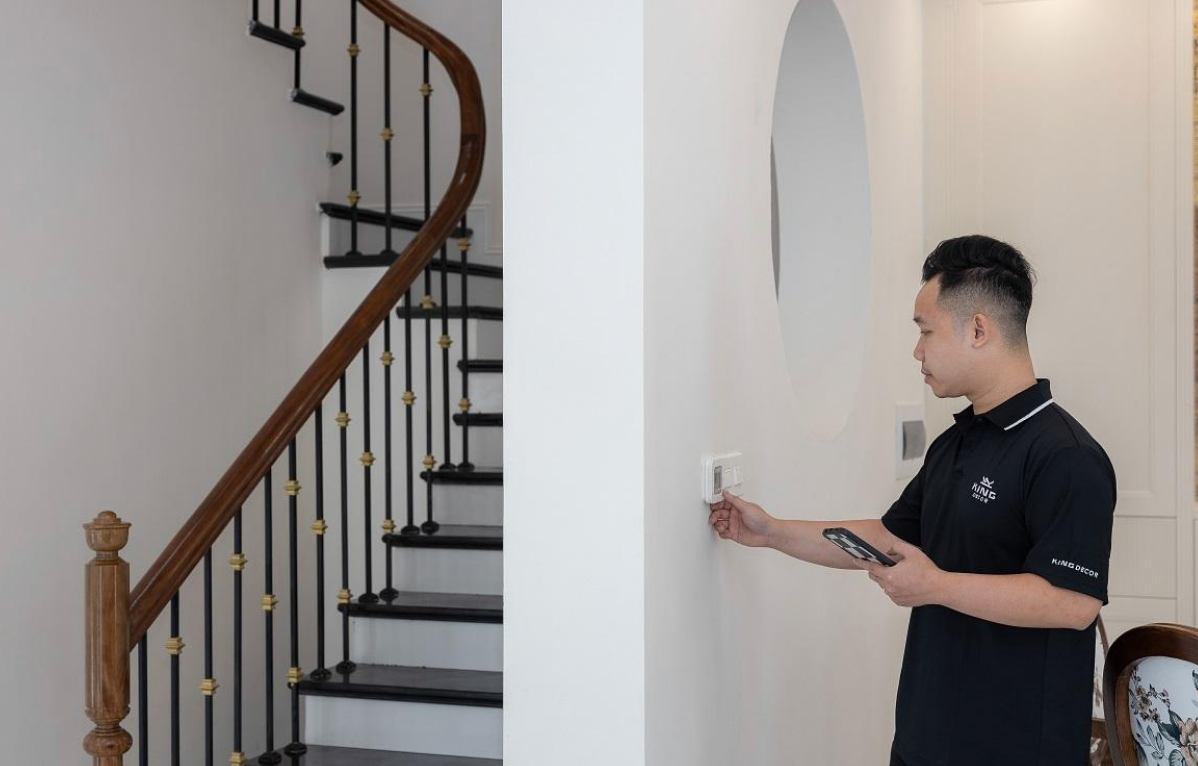
Hiring a professional means you get calibration, code compliance, and warranty protection. Professional installation ensures the system is calibrated correctly and positioned to maximize energy efficiency ROI over time — which matters more than most people realize, because a poorly configured smart thermostat won’t deliver the savings it promises.
A reasonable rule of thumb: DIY is fine for a basic programmable swap with matching wiring. Go pro for smart thermostats, heat pump systems, or anything that requires running new wire.
Smart Thermostats and Energy Savings: What the Data Actually Shows
Here’s where the conversation gets interesting. Installation cost is a one-time hit. Energy savings are ongoing — and that’s the math that matters most for ROI.
In 2026, a quality smart thermostat typically runs between $150 and $250 for the device alone, but rising utility costs have shortened the payback period considerably compared to prior years. This is key: what used to be a 2–3 year payback is now often closer to 12–18 months.
Climate Experts, an HVAC firm that published a detailed cost-and-savings analysis in April 2026, put it plainly: based on current national average utility rates, most homeowners recover the full device cost within 12 to 18 months — and when utility rebates from energy providers are factored in, that window can shrink to under a year.
Those rebates are worth taking seriously. Many utility companies in 2026 are offering instant $50–$100 credits for ENERGY STAR-certified smart thermostats, largely because these devices help utilities manage grid load during extreme weather events. Check your local provider before you buy — that rebate can meaningfully change your breakeven math.
On the savings side, ENERGY STAR-certified smart thermostats are documented to cut heating costs by around 10–12% and cooling costs by up to 15% annually. For the average U.S. household spending roughly $1,500 a year on heating and cooling, that’s $100–$200 back in your pocket every year — indefinitely.
Choosing the Right Thermostat Matters as Much as Installation
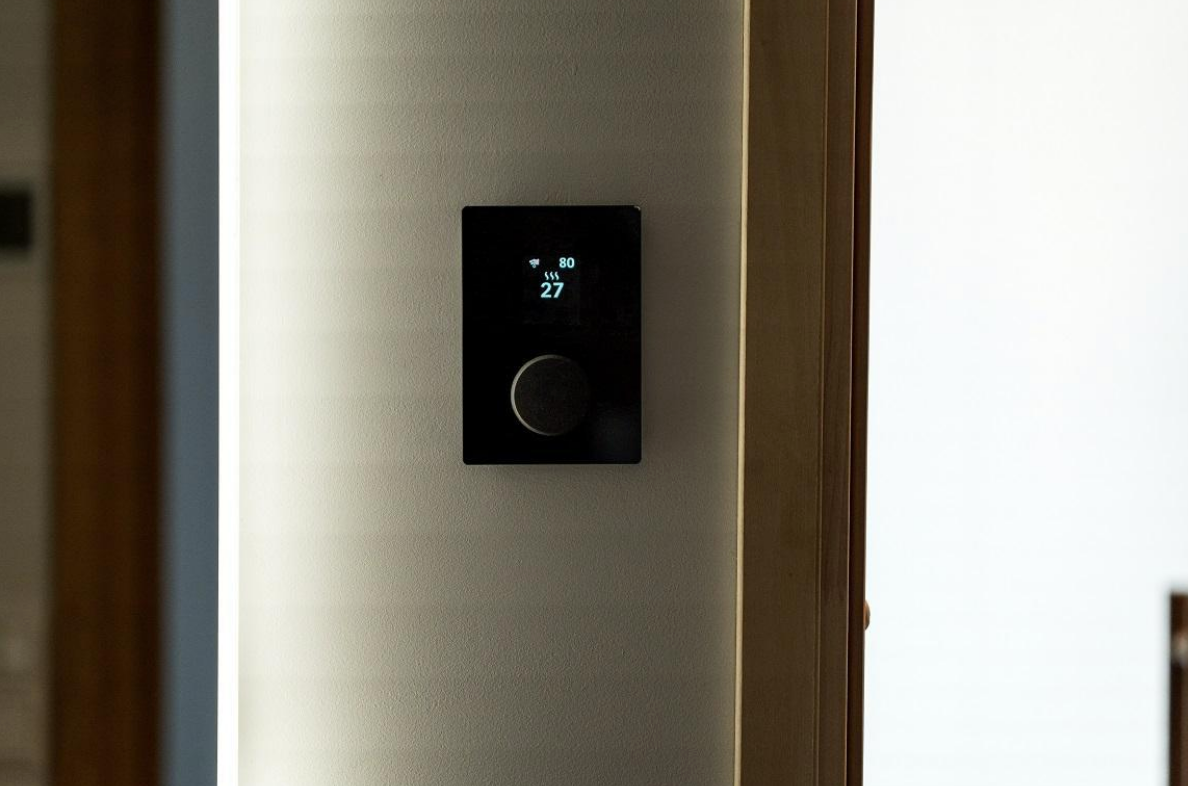
Here’s something the cost guides don’t always tell you: even a perfectly installed thermostat won’t hit those savings numbers if it’s the wrong fit for your HVAC system. Compatibility is everything.
A learning thermostat paired with a heat pump behaves differently than one running a standard forced-air furnace. Multi-stage systems, humidity control, zoning setups — these all require different features and configuration approaches. If you want to understand which thermostat types actually pair well with specific HVAC configurations before you spend a dollar on installation, it’s worth reading through this deep-dive on selecting the best thermostat for your HVAC system in 2026. Getting that match right upfront is what turns a decent upgrade into one that actually pays off.
The Payback Timeline: A Simple Framework
Let’s make this concrete. Here’s how the math typically works for someone upgrading to a mid-range smart thermostat with professional installation:
| Scenario | Device Cost | Labor | Total Upfront | Annual Savings | Payback Period |
| DIY – Mid-range smart | $180 | $0 | $180 | $150/yr | ~14 months |
| Pro install – Mid-range smart | $180 | $150 | $330 | $150/yr | ~26 months |
| Pro install + $75 rebate | $180 | $150 | $255 | $150/yr | ~20 months |
| High-end smart, pro install | $280 | $200 | $480 | $200/yr | ~29 months |
After payback, the savings are pure return — year after year, without doing anything differently. Over a typical 7–10 year thermostat lifespan, a $200 device that saves $150 annually returns $1,050–$1,500 on a $200 investment. That’s a strong ROI by any measure.
Hidden Costs Worth Knowing About
A few line items that can quietly inflate your total if you’re not watching:
C-wire Adapter or Installation
If your home lacks a common wire (and many older homes do), you’ll need either an adapter kit (~$15–$25) or new wire run by a tech. The latter can add $50–$150 to the job.
Permit Fees
Most simple thermostat replacements don’t require a permit. But new installations involving fresh wiring can trigger one, typically adding $50 or more depending on your municipality.
Remote Sensors
Many smart thermostats support add-on room sensors for better temperature averaging across zones. Budget $35–$80 per sensor if you want multi-room comfort control.
Relocation
If you want to move the thermostat to a better spot — away from drafts, direct sunlight, or exterior walls — that involves additional wiring and potentially some drywall work. Get a quote for this separately.
Wrapping It Up
The math on smart thermostat upgrades has gotten genuinely compelling in 2026. A professional installation typically lands in the $150–$330 range for a mid-tier smart unit, payback runs 12–26 months depending on your labor costs and rebate situation, and the long-term savings add up to multiples of the initial investment.
If your current thermostat is a basic digital unit or older programmable model, upgrading is almost certainly worthwhile — especially as utility rates continue to climb. The decision between DIY and professional installation is mostly a question of system complexity and your comfort with low-voltage wiring work.
Either way, start by confirming your HVAC compatibility before you buy anything. The right thermostat installed correctly is what actually delivers on the payback timeline — and that starts with knowing your system.