The Hidden Impact of Workflow Design on Physical Outdoor Work
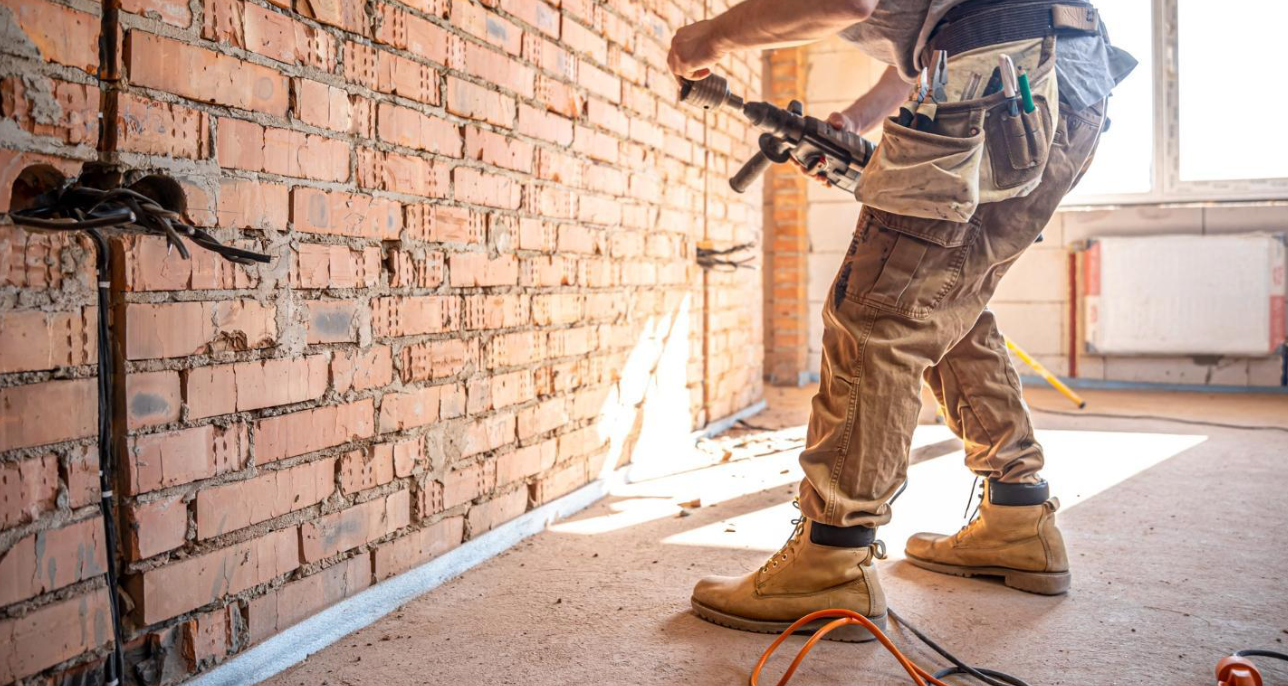
Physical outdoor work is often judged by visible effort. Long hours, heavy lifting, and sore muscles are commonly seen as signs that real work is getting done. Yet many of the toughest days outdoors aren’t difficult because of the task itself, but because of how that task is organised. Increasingly, experienced property owners and professionals are recognising that workflow design plays a major role in how demanding outdoor work feels. Before lifting a single tool, they focus on sequencing, movement, and setup, sometimes reviewing broader equipment and process considerations through resources like Equipment Outfitters to understand how planning and layout can reduce unnecessary strain rather than relying on physical effort alone.
The way work is structured often determines whether it feels manageable or exhausting.
Workflow Shapes Effort Before Work Begins
Workflow design starts long before the first action. It includes decisions about where materials are placed, how tasks are sequenced, and how often the same movement is repeated. Poor workflow forces the body to compensate, increasing fatigue even when the workload itself is reasonable.
When tools, materials, or work zones are poorly arranged, people spend more time walking, lifting, and repositioning than actually completing the task. These inefficiencies rarely feel dramatic in isolation, but over the course of a day they add up to significant physical strain.
Thoughtful workflow design reduces wasted movement and preserves energy for the work that actually matters.
Repetition Is Where Poor Design Hurts Most
Outdoor work often involves repetition. Carrying materials, clearing debris, or maintaining land requires the same motions performed again and again. When workflows are inefficient, repetition turns small inefficiencies into chronic strain.
Even minor design flaws become magnified over time. Awkward lifting angles, unnecessary carrying distances, or constant tool changes all increase wear on joints and muscles. This is why some tasks feel far harder than expected despite not being particularly heavy or complex.
Good workflow design minimises repetitive stress by streamlining how and where actions occur.
Movement Patterns Determine Fatigue
Fatigue isn’t just about weight. It’s about movement patterns. Tasks that require frequent bending, twisting, or uneven lifting drain energy faster than those designed around neutral, controlled motion.
Workflow design influences these patterns directly. When materials are staged at appropriate heights, paths are clear, and work zones are logically arranged, the body moves more efficiently. This reduces cumulative fatigue and lowers injury risk.
Well-designed workflows allow strength to be used productively instead of wasted correcting inefficiencies.
Poor Workflow Increases Injury Risk
Many outdoor work injuries aren’t caused by sudden accidents. They result from overexertion and repeated strain. Inefficient workflows increase exposure to both.
When people rush, backtrack, or work around cluttered spaces, attention drops and posture suffers. These conditions make slips, strains, and handling errors more likely. Over time, this raises the risk of both acute injuries and long-term musculoskeletal problems.
Research published by the UK Health and Safety Executive shows that poorly designed manual work processes significantly increase fatigue and musculoskeletal injury risk, highlighting how task layout and workflow design play a critical role in reducing strain during physical outdoor work.
Time Loss Is a Physical Cost Too
Inefficient workflows don’t just waste time. They extend exposure to physical effort. A task that should take one hour but stretches into two doesn’t just consume more daylight, it doubles the strain on the body.
Longer work sessions increase fatigue and reduce recovery time. This affects not only the current task, but also future work. When fatigue carries over, productivity drops and injury risk rises.
Efficient workflow design shortens exposure, protecting both time and physical capacity.
Setup and Teardown Matter More Than Expected
Image from Freepik
Setup and teardown are often overlooked in outdoor work planning. Yet these phases frequently involve the heaviest lifting and most awkward movements.
When setup is rushed or improvised, it creates downstream problems. Tools end up out of reach, materials pile up in the wrong places, and workspaces become cluttered. This forces constant adjustment during active work, increasing strain.
Designing workflows that prioritise clean setup and orderly teardown reduces chaos and makes the entire task smoother.
Mental Load Affects Physical Performance
Physical work also carries a mental load. Constant decision-making, problem-solving, and improvisation drain focus. When workflows are unclear, the brain works harder to compensate, which accelerates physical fatigue.
Clear workflows reduce this mental burden. When steps are defined and movement is predictable, attention can stay on execution rather than correction. This improves efficiency and lowers the likelihood of mistakes that cause physical strain.
Mental clarity supports physical endurance.
Workflow Design Supports Consistency
Outdoor work is rarely a one-time effort. Maintenance, cleanup, and property care are ongoing. Poor workflows make this work feel daunting, leading to delays and larger workloads later.
Well-designed workflows encourage consistency. Tasks feel approachable, which makes regular upkeep easier to maintain. Over time, this reduces overall workload by preventing small issues from escalating.
Consistency is one of the biggest hidden benefits of good workflow design.
Experience Improves Workflow When Applied Intentionally
Experience matters most when it’s used to refine workflow. Experienced workers know which steps cause delays, where strain builds up, and which movements are inefficient. When this knowledge is applied intentionally, workflows evolve.
Instead of relying on physical toughness, experienced workers redesign processes to eliminate unnecessary effort. This shift allows them to work longer, safer, and with less fatigue.
Workflow design turns experience into lasting advantage.
Strategy Replaces Struggle
As outdoor work becomes more complex and expectations rise, strategy is replacing struggle. People are realising that pushing harder isn’t sustainable, but designing better processes is.
Workflow design is a form of strategy. It anticipates challenges, reduces friction, and protects physical health. Strength still plays a role, but it’s no longer the primary solution.
When workflow is right, strength is used efficiently rather than wastefully.
A Smarter Way to Work Outdoors
The physical demands of outdoor work are unavoidable, but unnecessary strain is not. Much of what makes work exhausting is hidden in how tasks are organised rather than what those tasks are.
By paying attention to workflow design, outdoor work becomes safer, faster, and more sustainable. Movement is reduced, effort is focused, and recovery improves. Over time, these benefits compound, protecting both productivity and health.
In the end, the hardest part of outdoor work isn’t always the weight of the task. It’s the cost of doing it without a plan.