Real-Time GPS Tracking: How It Works for Business
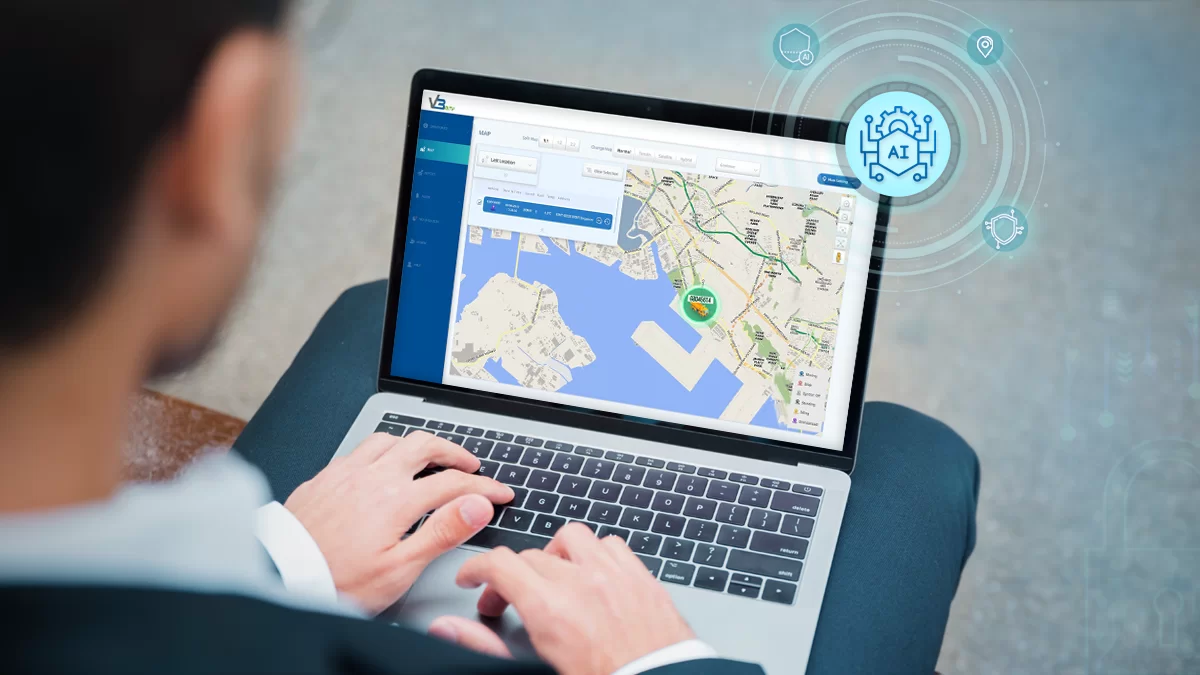
Real-time GPS tracking is no longer a tool reserved for large logistics companies with deep pockets. Businesses of every size now use it daily to manage vehicles, protect assets, and keep operations running without constant phone calls and guesswork. Yet a lot of business owners still do not fully understand what the technology actually does under the hood, and because of that, many choose the wrong system or skip it altogether.
In this guide, I want to explain exactly how real-time GPS tracking works, why it is different from basic location logging, and what it can do for a business like yours in practical terms.
By the time you finish, you will have a clear picture of the technology and enough knowledge to choose the right setup for what you actually need.
What Is Real-Time GPS Tracking, and How Is It Different?
Real-time GPS tracking gives you live location updates on a vehicle, asset, or person the moment data is transmitted, usually every 10 to 30 seconds. You see movement as it happens on a dashboard or phone app, rather than reviewing a recorded log after the fact.
The key difference comes down to when you get the data. Passive tracking, the older method, stores location history on the device and uploads it later when the vehicle returns to base or connects to Wi-Fi. Useful for reviewing trip history? Sure. But if a driver takes a wrong turn, a vehicle leaves your yard at midnight, or a piece of equipment starts moving from a job site it was supposed to stay on, passive tracking tells you about it hours too late to do anything.
Active tracking, which is the real-time version, sends location data continuously through a cellular network so you can see what is happening right now. For businesses managing multiple vehicles, deliveries, or high-value equipment across different locations, that live view changes how you work in ways that a log file never could.
How Does GPS Technology Actually Work?
At its core, three systems talk to each other every few seconds: GPS satellites orbiting Earth, the cellular network in your country, and the software platform on your phone or computer. Each one plays a specific role, and understanding that chain makes the whole thing much easier to evaluate when you are comparing products.
Step one is satellite positioning
The tracking device installed in your vehicle or attached to your equipment picks up signals from at least four GPS satellites orbiting the Earth. Using a process called trilateration, it measures the time it takes for each signal to arrive and calculates its precise position down to a few metres. The more satellites the device locks onto, the more accurate the reading. Open sky gives the best results; dense urban areas or indoor environments can reduce accuracy to around 30 to 300 feet, but most modern trackers compensate using cellular tower data and Wi-Fi signals to fill the gaps.
Step two is data transmission
Once the device knows where it is, it sends that location through a built-in 4G LTE cellular modem to a cloud server. Current 4G technology transmits data up to ten times faster than older 3G systems did, which is why update intervals have dropped from minutes down to seconds over the past few years. In remote areas without reliable cellular coverage, some trackers switch to satellite communication networks like Globalstar or Iridium to maintain the connection.
Step three is what you see. The cloud server receives the location data and displays it on a map interface through a web dashboard or mobile app. From there, you can see your vehicles moving in real time, check speed and route, review trip history, set alerts, and generate reports, all from wherever you are.
What Do Businesses Actually Use Real-Time Tracking For?
Knowing the technology exists and understanding how businesses put it to work every day are two different things. The practical applications go much further than most people assume when they first look at fleet tracking.
Fleet visibility and dispatch
For any business running vehicles across a service area, live tracking removes the need to call drivers for location updates. A dispatcher can see every vehicle on a single map, redirect the nearest technician to an urgent job, and give customers accurate arrival times without anyone picking up the phone. Companies using real-time routing report fuel cost reductions of up to 25 percent compared to untracked operations.
Driver behaviour monitoring
Beyond location, the system records speed, harsh braking, aggressive acceleration, and idle time. A fleet operator running ten vehicles, for example, can pull a weekly report showing exactly which drivers are wasting fuel through unnecessary idling or putting vehicles at risk with aggressive driving. Businesses that actively address driver behaviour through GPS data reduce vehicle maintenance costs by a significant margin over time because the wear on vehicles drops when driving habits improve.
Asset protection and theft recovery
Any vehicle or piece of equipment fitted with an active tracker can trigger an alert the moment it moves outside a scheduled time window or crosses a geofence boundary you set. A construction business owner I know got an alert at 11pm when a tracked generator left his job site.
By the time the thief was two miles away, the police had real-time coordinates. The equipment was recovered before sunrise. Without active tracking, that generator would have been a permanent loss.
A few other uses that businesses frequently report finding valuable once they start using real-time tracking systems:
- Verifying delivery times and service visits with precise arrival and departure records, which removes disputes with clients about whether a job was completed or when it happened
- Monitoring after-hours vehicle use, which is one of the most common sources of unauthorised fuel consumption in small fleets
- Supporting insurance claims with accurate route and speed data when an incident occurs on the road
What Types of GPS Trackers Work Best for Business?
Three main hardware categories exist, and the right one depends almost entirely on what you are tracking and how it gets powered.
OBD-II plug-in trackers connect directly to the diagnostics port under your vehicle’s dashboard. No wiring, no installation cost, and the system pulls power from the vehicle itself so the battery never needs charging. They are the fastest way to get a fleet onto real-time tracking, and they work well for most commercial vehicles built after 1996. The one trade-off is that a determined person can unplug them, which is worth considering for high-theft risk situations.
Hardwired trackers connect directly into the vehicle’s electrical system. Removing one requires tools and knowledge, making them the better option when tamper resistance matters. Professional installation takes around 30 minutes per vehicle, and after that, you never need to touch the hardware again. Many long-haul transport businesses and high-value fleet operators use hardwired units specifically for the security advantage.
Battery-powered and magnetic trackers are built for assets with no power source of their own, like trailers, generators, shipping containers, and heavy construction equipment. Battery life varies widely across models, from a few weeks at high update frequency to several years at low-frequency check-in mode. Providers like BrickHouse Security offer commercial-grade options across all three categories, covering everything from vehicle fleets to loose equipment within one unified tracking platform.
How Accurate Is Real-Time GPS Tracking?
Under open sky with a clear satellite connection, most commercial GPS trackers are accurate to within 1 to 3 metres. That level of precision is more than enough for vehicle fleet management, delivery confirmation, and equipment monitoring in the vast majority of business situations.
Accuracy drops in dense urban areas where tall buildings block or reflect satellite signals, and it drops further inside warehouses or underground parking. Modern trackers compensate for this by combining GPS satellite data with cellular tower positioning and Wi-Fi triangulation, which keeps location estimates within a useful range even when satellite visibility is limited. For most day-to-day business tracking needs, this hybrid approach works without any noticeable gaps.
The GPS tracking device market was valued at $3.7 billion in 2024 and is projected to reach over $10 billion by 2033, growing at around 12 to 14 percent annually. [Source: GPX Intelligence, 2025] A lot of that growth comes from businesses discovering that the accuracy and reliability of the technology today is genuinely different from what it was five years ago. The hesitation that some owners had in the past, rooted in experiences with clunky, inconsistent older systems, no longer applies to what is available now.
What Should a Business Look for Before Choosing a System?
Picking the right real-time GPS tracking system comes down to matching the features to how your business actually operates, not to a feature list that looks impressive on a product page.
Update frequency is the first thing to confirm. A system updating every 60 seconds works fine for reviewing trips and monitoring driver behaviour. If you need live theft recovery support or real-time dispatch coordination, look for systems offering 10 to 30 second updates. The faster the update, the more cellular data the device consumes and the faster battery-powered units drain, so balance the interval against your actual use case.
Cellular network coverage in your operating area determines how reliable the live data stream will be. Most reputable providers run on major national networks, but if your routes take vehicles into rural or remote areas, confirming coverage before committing saves a lot of frustration later. Some providers offer multi-network SIM cards that switch automatically to the strongest available signal.
A few practical questions worth answering before you sign with any provider:
- How many assets do you need to track now, and how many might you add within the next year, since per-unit monthly fees add up fast as you scale
- Does the platform integrate with your existing tools like fuel cards, payroll software, or scheduling systems, because manual data transfer between systems wastes time every week
- What are the contract terms, and whether month-to-month is available, because locking into a three-year agreement before you know the system fits your workflow is a risk that is easy to avoid
- What does customer support look like when something stops working, especially in the first few weeks when your team is still learning the platform
What Does Real-Time Tracking Cost, and Is the Return Worth It?
Most real-time GPS tracking subscriptions for business use run between $15 and $40 per vehicle per month, depending on the provider and the features included. Hardware costs range from around $30 for a basic OBD-II plug-in unit to $150 or more for ruggedised hardwired or battery-powered asset trackers.
For a five-vehicle operation spending $25 per month per vehicle, the annual cost lands at $1,500. Set that against a single theft recovery, a prevented accident claim, a 15 percent fuel saving from route optimisation, and a lower insurance premium from documented driving behaviour, and the system typically pays for itself within six months. Most businesses report full return on investment within six to twelve months of deployment.
The harder-to-measure gains show up in time. A business owner who no longer calls drivers every hour to check on deliveries gets that time back. A dispatcher who can reroute the nearest available vehicle in thirty seconds instead of five minutes improves customer satisfaction in a way that does not show on a spreadsheet but absolutely shows in repeat business and reviews.
Final Thoughts
Real-time GPS tracking works because three systems, satellites, cellular networks, and software, communicate seamlessly every few seconds to give you a live picture of where your assets are and how they are being used. For businesses managing vehicles, equipment, or mobile teams, that live picture replaces guesswork with real data and creates the kind of operational control that reduces costs, improves safety, and protects the assets you have worked hard to build.
Getting started does not require a large fleet or a complicated installation. A single OBD-II tracker in a company vehicle takes minutes to deploy and starts producing useful data from day one. From there, scaling across a full fleet or adding asset trackers for equipment becomes a straightforward process once you have seen what the data shows you.
For business owners looking for a reliable place to begin, BrickHouse Security has been delivering professional-grade GPS tracking solutions to businesses and government organisations across the US since 2005. Their range covers vehicle fleets, individual assets, trailers, and personal tracking in one platform, which makes adding devices and managing everything in one place straightforward as your operation grows.
Frequently Asked Questions
Q1. Does real-time GPS tracking work in areas with no cell signal?
Standard real-time GPS trackers rely on a cellular connection to transmit location data, so coverage gaps do create brief interruptions. Many professional systems buffer the data locally and send it as soon as signal returns.
For businesses operating in remote areas with consistently poor cellular coverage, satellite-based trackers that connect through networks like Globalstar or Iridium are available at a higher cost, and they maintain live data transmission regardless of cellular availability.
Q2. Can employees disable or remove a GPS tracker?
OBD-II plug-in trackers can be removed quickly since they simply unplug from the diagnostics port, though most systems send an instant tamper alert the moment disconnection happens. Hardwired trackers are significantly harder to remove without tools and knowledge of the vehicle’s wiring. For high-security needs, hardwired units combined with tamper detection alerts provide the most reliable protection against interference.
Q3. Is it legal to track company vehicles without telling employees?
Tracking company-owned vehicles is legal in most US states, but most employment law guidance recommends notifying employees in writing before any tracking begins. Some states require written consent specifically. Establishing a clear written policy explaining what data is collected, how it is used, and who can access it reduces legal risk and employee friction at the same time.
For personal use of company vehicles outside work hours, the rules vary by state, so checking local requirements before rollout is always worth doing.