Maximizing the Value of a Junk RV in Your Local Market
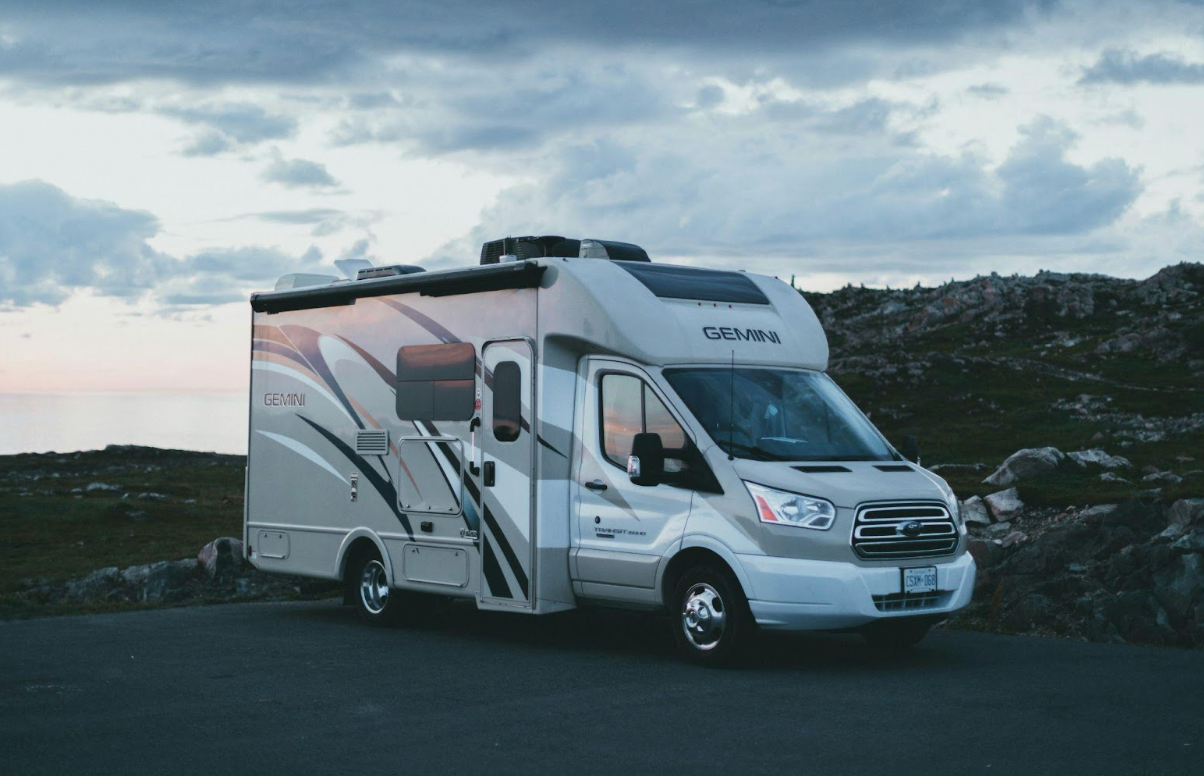
For many RV owners, the realization comes that the vehicle which once carried them across states, through mountains, or along coastlines, has reached the end of its practical life. It may be non-running, flood-damaged, or worn out after years of use. Many owners assume that a junk RV holds little value. In reality, even heavily used or damaged RVs contain components, metals, and materials that are highly sought after in local and national markets. Selling strategically can convert what seems like a lost asset into cash, while minimizing stress and legal complications.
Understanding Local Market Differences
The value of a junk RV varies greatly depending on local conditions. Buyers in different regions prioritize different aspects of a vehicle.
In Florida, for example, flood-damaged RVs are surprisingly valuable because local buyers and salvage operators know how to extract functional parts, appliances, and metals that remain in demand despite water exposure.
In Massachusetts, where urban storage space is limited, buyers often prefer compact or non-running RVs that they can tow away quickly, reducing logistical costs. In rural areas of Georgia, larger fifth-wheel trailers and Class A motorhomes may be in demand for parts, rebuild projects, or even recreational resale.
Understanding these nuances helps sellers anticipate offers, target the right buyers, and avoid undervaluing their vehicles. It also allows owners to highlight aspects of the RV that matter most to local buyers, such as an intact generator, appliances, or a functioning slide-out system.
Damage Does Not Mean Worthless
Many sellers assume that mechanical failures or water damage render an RV worthless. This is a misconception. Specialized junk RV buyers know that engines, transmissions, wiring harnesses, air conditioning units, and interior fixtures often retain value even when the vehicle cannot be driven. A salvage title or heavy cosmetic damage does not necessarily eliminate market worth.
In Florida, for instance, buyers often pay premium prices for RV interiors that have survived minor flooding because these components can be reused in rental properties or resold. In Georgia, older RV engines are in demand for repair or resale. Professional buyers understand which components are valuable and how to repurpose them efficiently, ensuring sellers do not leave money on the table.
The Importance of Timing
Seasonality can influence junk RV offers more than many sellers realize. Demand typically rises in spring and early summer as buyers prepare for road trips and vacation seasons. During off-season periods, such as late fall and winter, offers may be slightly lower, although professional buyers remain active throughout the year.
Planning the sale around local demand helps owners maximize returns. For example, an RV in Colorado may fetch higher offers in late spring when buyers are preparing for summer mountain trips. In Arizona, offers often peak in winter, as RVs are in high demand for desert and warm-weather getaways. Meanwhile, in Oregon, spring and early summer see increased interest from buyers seeking RVs for coastal travel, while off-season offers are slightly lower. Understanding both seasonal and regional trends can help sellers get the best price, regardless of the vehicle’s condition.
Specialized Junk RV Buyers as the Best Option
Working with specialized junk RV buyers is often the easiest way to get top value. They understand state regulations, handle DMV paperwork and title transfers, and ensure a smooth, legal transaction. With nationwide reach, they can offer fast towing and payment, and remove the risks and delays of private sales. If you want a hassle-free experience, you can sell your RV for cash with HeyRV, letting professionals handle complex titles and damaged vehicles while delivering fair offers.
Regional Value Insights
Local conditions can create surprisingly different opportunities for selling a junk RV. In Texas, buyers often pay more for RVs with intact engines and drivetrains because these components are in high demand for rebuilds or resale in both urban and rural areas. In California, especially along the coast, buyers value appliances, metal, and wiring from older or non-running RVs due to strong demand in salvage and recycling markets. In Michigan, snow-damaged RVs or units exposed to harsh winters may still attract competitive offers because buyers know which parts are corrosion-resistant and can be reused.
Understanding these regional differences enables owners to market their RVs strategically, emphasizing the features local buyers value most. Highlighting these features can increase buyer confidence and often result in a higher cash offer.
Comparing Offers for Maximum Value
When evaluating offers, the highest quoted dollar amount is not always the best deal. Sellers should consider:
- Who covers towing and transportation costs
- How quickly is the payment made
- Whether the buyer handles all the title and DMV paperwork
- The buyer’s familiarity with salvage RV regulations
A slightly lower cash offer that includes these services often results in a higher net return than a higher quote that requires additional effort, time, or expense.
Turning a Junk RV into Cash
Even non-running, flood-damaged, or heavily used RVs can be sold efficiently and safely for cash. By understanding local market trends, timing the sale, preparing the RV properly, and working with specialized buyers, owners can unlock hidden value.